
Title
Beyond Prime Time: Television Programming In The PostNetwork Era,New
Sold by Ergodebooks, an authorized reseller.
Returns accepted within 30 days | support@ergodebooks.com
Shipping Information
- Free Standard Shipping — United States only
- Processing Time: 3–5 business days
- Estimated Delivery: 6–10 business days after dispatch
- Double-boxed, fully insured & discreetly packaged
- Tracking number sent via email once dispatched
Returns & Refund
Returns accepted within 30 days of delivery.
Damaged or Defective Item
Free return shipping + replacement or full refund
Wrong Item Received
Free return shipping + replacement or full refund
Change of Mind
Return shipping at customer's expense · 25% restocking fee applies
Payment Option

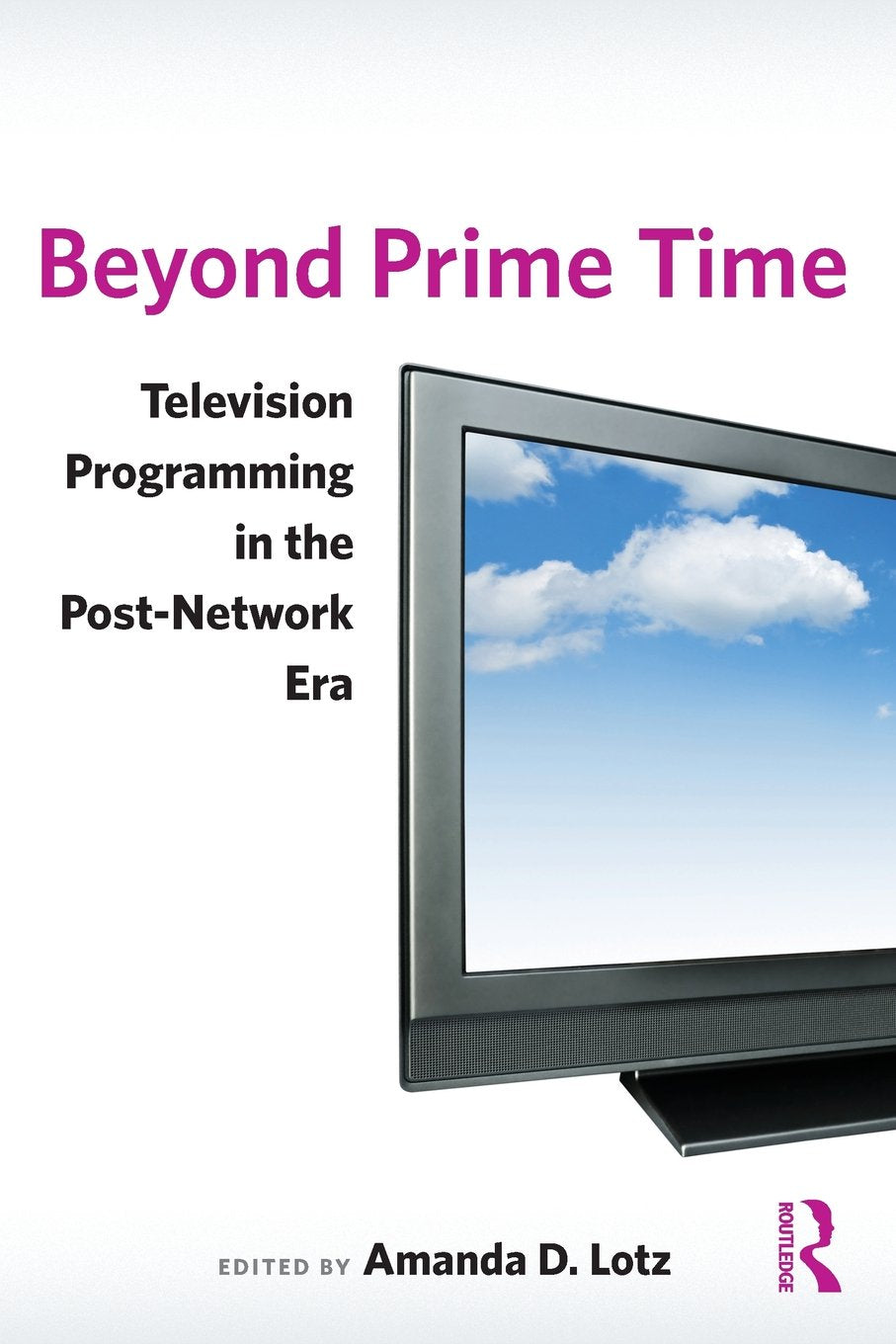
Daytime soap operas. Evening news. Latenight talk shows. Television has long been defined by its daily schedule, and the viewing habits that develop around it. Technologies like DVRs, iPods, and online video have freed audiences from rigid time constraintswe no longer have to wait for a program to be 'on' to watch itbut scheduling still plays a major role in the production of television.Primetime series programming between 8:00 and 11:00 p.m. has dominated most critical discussion about television since its beginnings, but Beyond Prime Time brings together leading television scholars to explore how shifts in televisions industrial practices and new media convergence have affected the other 80% of the viewing day. The contributors explore a broad range of nonprimetime forms including talk shows, soap operas, news, syndication, and childrens programs, nonseries forms such as sports and madefortelevision movies, as well as entities such as local affiliate stations and public television.Importantly, all of these forms rely on norms of production, financing, and viewer habits that distinguish them from the practices common among primetime series and often from each other. Each of the chapters examines how the production practices and textual strategies of a particular programming form have shifted in response to sweeping industry changes, together telling the story of a medium in transition at the beginning of the twentyfirst century.Contributors: Sarah BanetWeiser, Victoria E. Johnson, Jeffrey P. Jones, Derek Kompare, Elana Levine, Amanda D. Lotz, Jonathan NicholsPethick, Laurie Ouellette, Erin Copple Smith
⚠️ WARNING (California Proposition 65):
This product may contain chemicals known to the State of California to cause cancer, birth defects, or other reproductive harm.
For more information, please visit www.P65Warnings.ca.gov.