If you have any questions, you are always welcome to contact us. We'll get back to you as soon as possible, withing 24 hours on weekdays.
Customer service
All questions about your order, return and delivery must be sent to our customer service team by e-mail at yourstore@yourdomain.com
Sale & Press
If you are interested in selling our products, need more information about our brand or wish to make a collaboration, please contact us at press@yourdomain.com
Help
If you have any questions, you are always welcome to contact us. We'll get back to you as soon as possible, withing 24 hours on weekdays.
Customer service
All questions about your order, return and delivery must be sent to our customer service team by e-mail at yourstore@yourdomain.com
Sale & Press
If you are interested in selling our products, need more information about our brand or wish to make a collaboration, please contact us at press@yourdomain.com
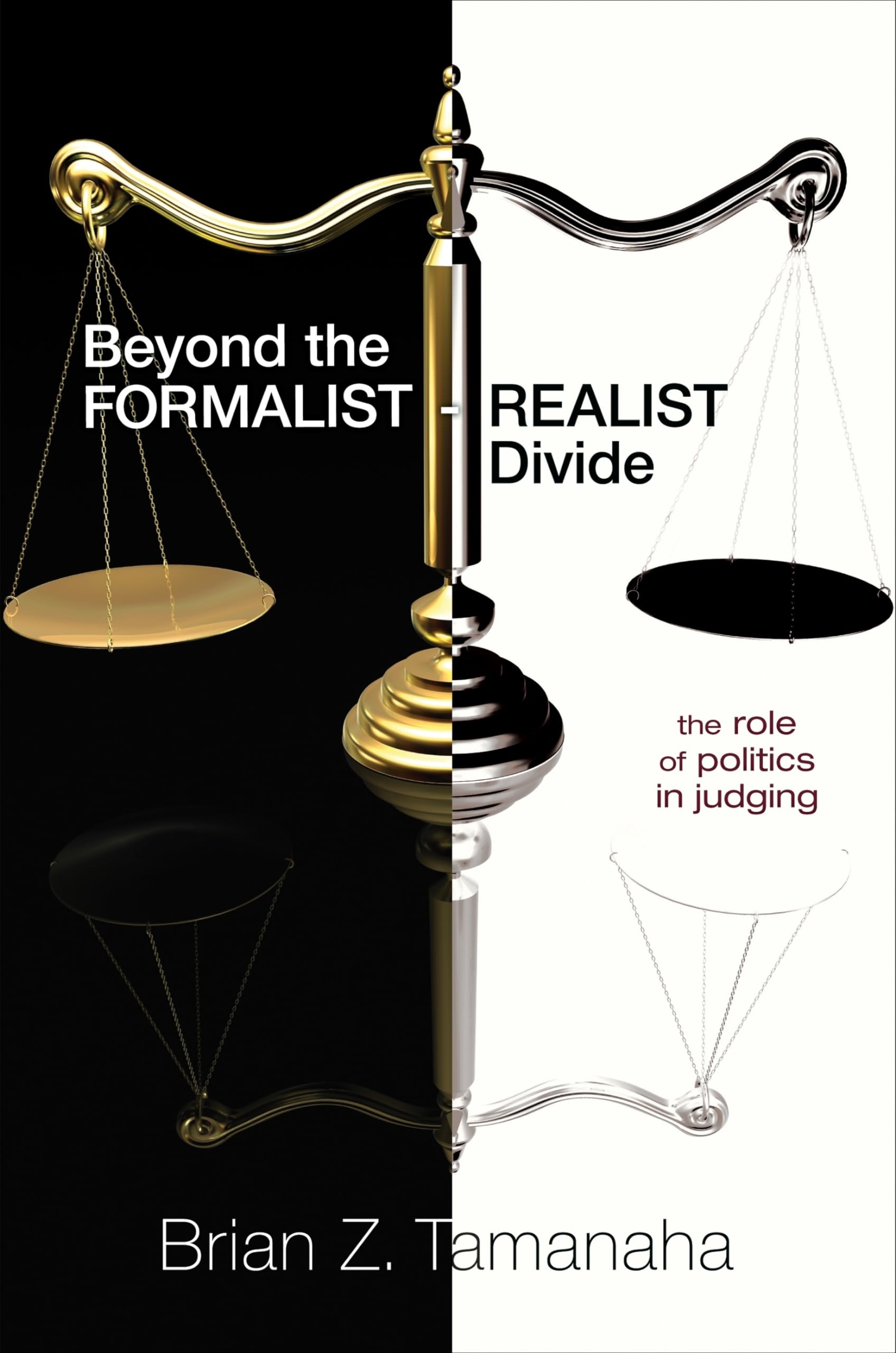
According To Conventional Wisdom In American Legal Culture, The 1870S To 1920S Was The Age Of Legal Formalism, When Judges Believed That The Law Was Autonomous And Logically Ordered, And That They Mechanically Deduced Right Answers In Cases. In The 1920S And 1930S, The Story Continues, The Legal Realists Discredited This View By Demonstrating That The Law Is Marked By Gaps And Contradictions, Arguing That Judges Construct Legal Justifications To Support Desired Outcomes. This Oftenrepeated Historical Account Is Virtually Taken For Granted Today, And Continues To Shape Understandings About Judging. In This Groundbreaking Book, Esteemed Legal Theorist Brian Tamanaha Thoroughly Debunks The Formalistrealist Divide.Drawing From Extensive Research Into The Writings Of Judges And Scholars, Tamanaha Shows How, Over The Past Century And A Half, Jurists Have Regularly Expressed A Balanced View Of Judging That Acknowledges The Limitations Of Law And Of Judges, Yet Recognizes That Judges Can And Do Render Rulebound Decisions. He Reveals How The Story About The Formalist Age Was An Invention Of Politically Motivated Critics Of The Courts, And How It Has Led To Significant Misunderstandings About Legal Realism.Beyond The Formalistrealist Divide Traces How This False Tale Has Distorted Studies Of Judging By Political Scientists And Debates Among Legal Theorists. Recovering A Balanced Realism About Judging, This Book Fundamentally Rewrites Legal History And Offers A Fresh Perspective For Theorists, Judges, And Practitioners Of Law.
⚠️ WARNING (California Proposition 65):
This product may contain chemicals known to the State of California to cause cancer,
birth defects, or other reproductive harm.
For MAP (Minimum Advertised Price) violations and Intellectual Property (IP) or Trademark concerns, please contact:
support@ergodebooks.com
⚠️ California Proposition 65 Warning: Some products sold on this website may expose you to chemicals known to the State of California to cause cancer, birth defects, or other reproductive harm. For more information, visit www.P65Warnings.ca.gov.