
Title
Beyond The New Deal Order: U.S. Politics From The Great Depression To The Great Recession (Politics And Culture In Modern Americ,Used
Sold by Ergodebooks, an authorized reseller.
Returns accepted within 30 days | support@ergodebooks.com
Shipping Information
- Free Standard Shipping — United States only
- Processing Time: 3–5 business days
- Estimated Delivery: 6–10 business days after dispatch
- Double-boxed, fully insured & discreetly packaged
- Tracking number sent via email once dispatched
Returns & Refund
Returns accepted within 30 days of delivery.
Damaged or Defective Item
Free return shipping + replacement or full refund
Wrong Item Received
Free return shipping + replacement or full refund
Change of Mind
Return shipping at customer's expense · 25% restocking fee applies
Payment Option

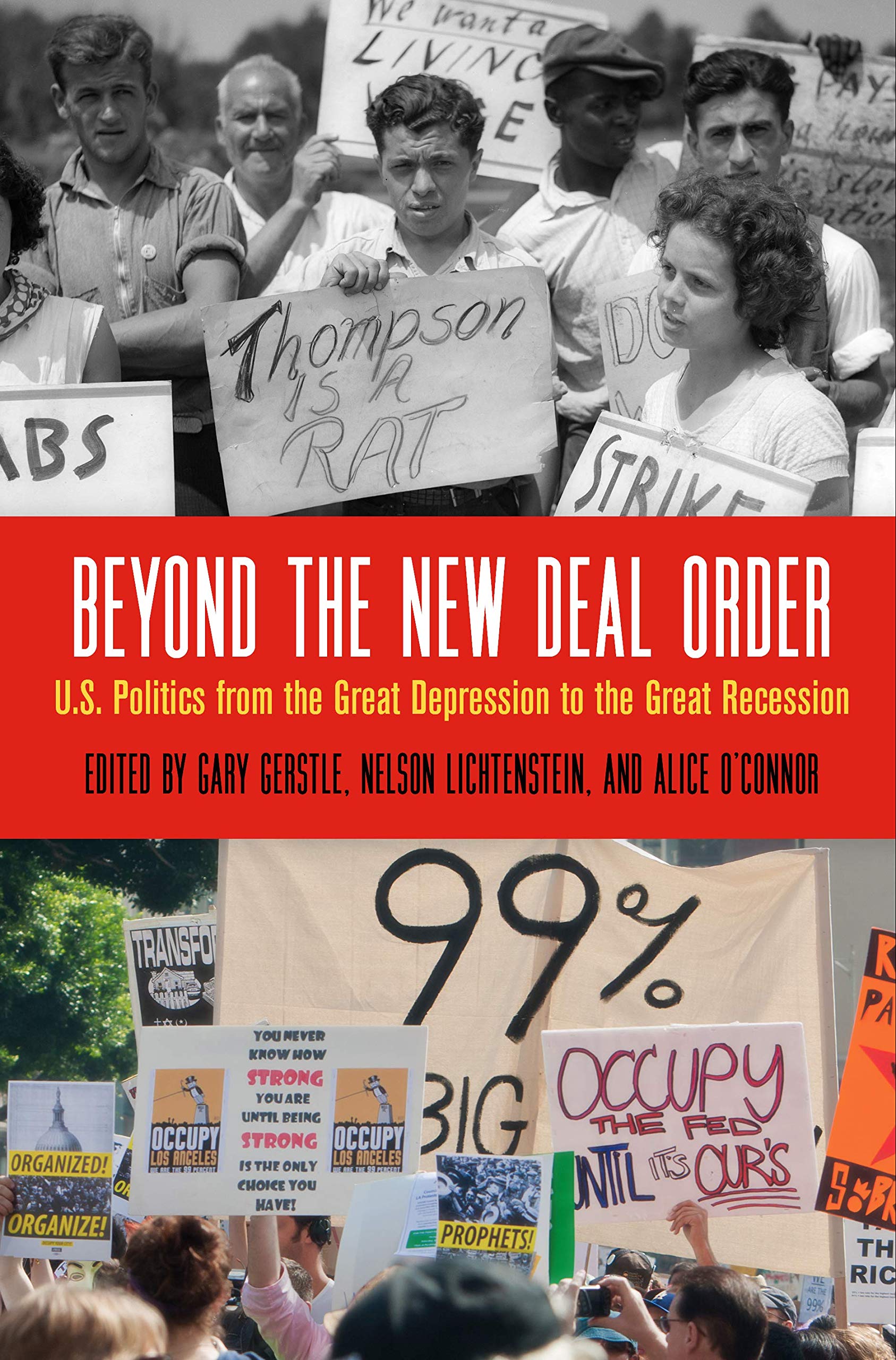
Ever since introducing the concept in the late 1980s, historians have been debating the origins, nature, scope, and limitations of the New Deal orderthe combination of ideas, electoral and governing strategies, redistributive social policies, and full employment economics that became the standardbearer for political liberalism in the wake of the Great Depression and commanded Democratic majorities for decades. In the decline and breakup of the New Deal coalition historians found keys to understanding the transformations that, by the late twentieth century, were shifting American politics to the right.In Beyond the New Deal Order, contributors bring fresh perspective to the historic meaning and significance of New Deal liberalism while identifying the elements of a distinctively 'neoliberal' politics that emerged in its wake. Part I offers contemporary interpretations of the New Deal with essays that focus on its approach to economic security and inequality, its view of participatory governance, and its impact on the Republican party as well as Congressional politics. Part II features essays that examine how intersectional inequities of class, race, and gender were embedded in New Deal labor law, labor standards, and economic policy and brought demands for employment, economic justice, and collective bargaining protections to the forefront of civil rights and social movement agendas throughout the postwar decades. Part III considers the precepts and defining narratives of a 'post' New Deal political structure, while the closing essay contemplates the extent to which we may now be witnessing the end of a neoliberal system anchored in freemarket ideology, neoVictorian moral aspirations, and postCommunist global politics.Contributors: Eileen Boris, Angus Burgin, Gary Gerstle, Romain Huret, Meg Jacobs, Michael Kazin, Sophia Lee, Nelson Lichtenstein, Joe McCartin, Alice O'Connor, Paul Sabin, Reuel Schiller, Kit Smemo, David Stein, JeanChristian Vinel, Julian Zelizer.
⚠️ WARNING (California Proposition 65):
This product may contain chemicals known to the State of California to cause cancer, birth defects, or other reproductive harm.
For more information, please visit www.P65Warnings.ca.gov.