
Title
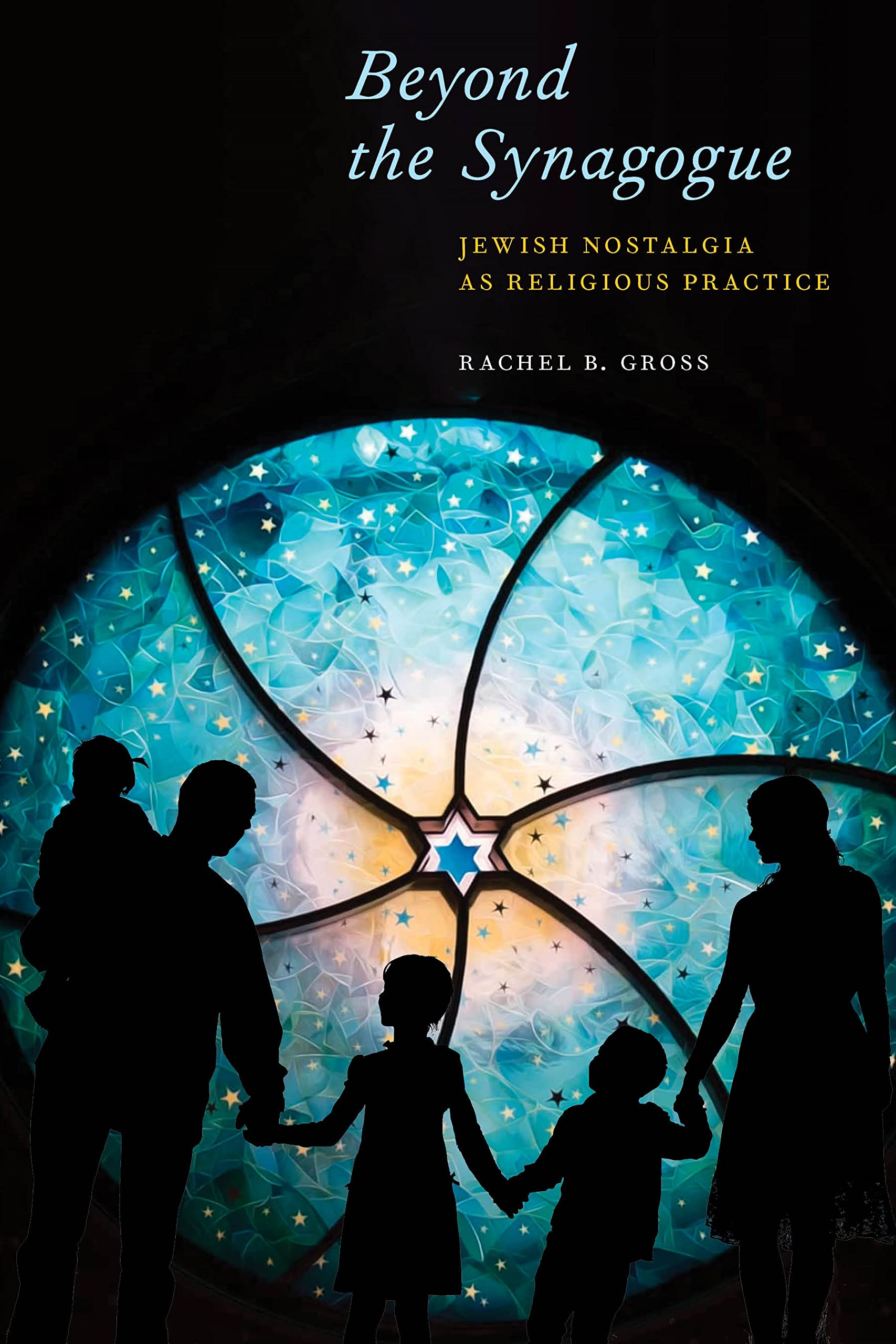
Beyond the Synagogue: Jewish Nostalgia as Religious Practice (North American Religions),Used
Sold by Ergodebooks, an authorized reseller.
Returns accepted within 30 days | support@ergodebooks.com
Shipping Information
- Free Standard Shipping — United States only
- Processing Time: 3–5 business days
- Estimated Delivery: 6–10 business days after dispatch
- Double-boxed, fully insured & discreetly packaged
- Tracking number sent via email once dispatched
Returns & Refund
Returns accepted within 30 days of delivery.
Damaged or Defective Item
Free return shipping + replacement or full refund
Wrong Item Received
Free return shipping + replacement or full refund
Change of Mind
Return shipping at customer's expense · 25% restocking fee applies
Payment Option

Finalist for the 2021 National Jewish Book Award in American Jewish StudiesHonorable Mention, 2021 Saul Viener Book Prize, given by the American Jewish Historical SocietyReveals nostalgia as a new way of maintaining Jewish continuityIn 2007, the Museum at Eldridge Street opened at the site of a restored nineteenthcentury synagogue originally built by some of the first Eastern European Jewish immigrants in New York City. Visitors to the museum are invited to stand along indentations on the floor where footprints of congregants past have worn down the soft pinewood. Here, many feel a palpable connection to the history surrounding them.Beyond the Synagogue argues that nostalgic activities such as visiting the Museum at Eldridge Street or eating traditional Jewish foods should be understood as American Jewish religious practices. In making the case that these practices are not just cultural, but are actually religious, Rachel B. Gross asserts that many prominent sociologists and historians have mistakenly concluded that American Judaism is in decline, and she contends that they are looking in the wrong places for Jewish religious activity. If they looked outside of traditional institutions and practices, such as attendance at synagogue or membership in Jewish Community Centers, they would see that the embrace of nostalgia provides evidence of an alternative, underappreciated way of being Jewish and of maintaining Jewish continuity.Tracing American Jews involvement in a broad array of ostensibly nonreligious activities, including conducting Jewish genealogical research, visiting Jewish historic sites, purchasing books and toys that teach Jewish nostalgia to children, and seeking out traditional Jewish foods, Gross argues that these practices illuminate how many American Jews are finding and making meaning within American Judaism today.
⚠️ WARNING (California Proposition 65):
This product may contain chemicals known to the State of California to cause cancer, birth defects, or other reproductive harm.
For more information, please visit www.P65Warnings.ca.gov.