
Title

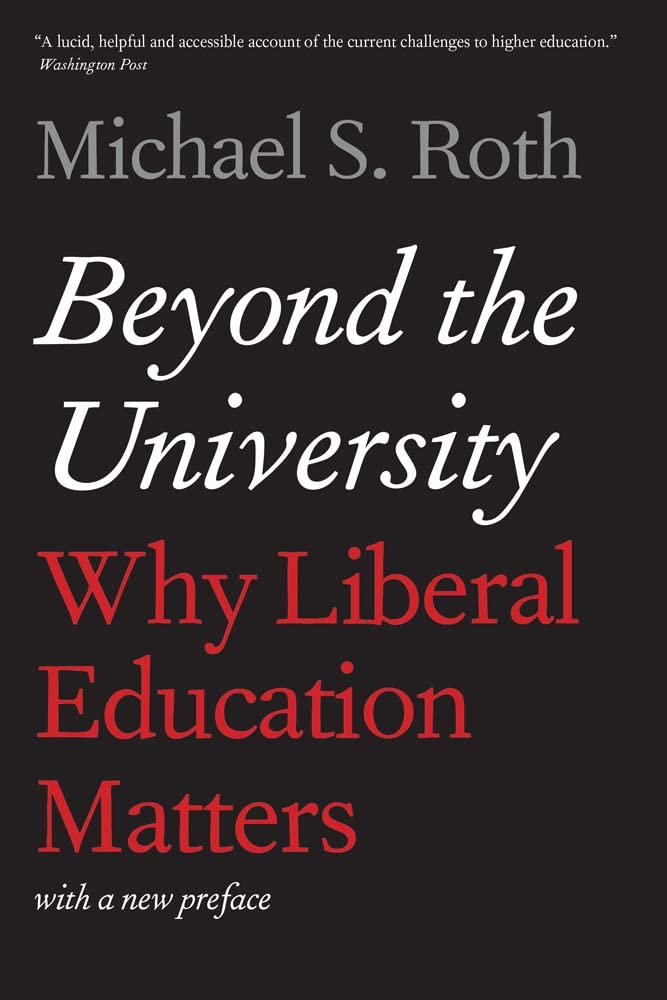
Beyond the University: Why Liberal Education Matters,Used
Sold by Ergodebooks, an authorized reseller.
Returns accepted within 30 days | support@ergodebooks.com
Shipping Information
- Free Standard Shipping — United States only
- Processing Time: 3–5 business days
- Estimated Delivery: 6–10 business days after dispatch
- Double-boxed, fully insured & discreetly packaged
- Tracking number sent via email once dispatched
Returns & Refund
Returns accepted within 30 days of delivery.
Damaged or Defective Item
Free return shipping + replacement or full refund
Wrong Item Received
Free return shipping + replacement or full refund
Change of Mind
Return shipping at customer's expense · 25% restocking fee applies
Payment Option

From the president of Wesleyan University, an eloquent defense of liberal education, seen against the backdrop of its contested history in AmericaWinner of the 2016 Frederic W. Ness Book Award sponsored by the Association of American Colleges and UniversitiesContentious debates over the benefitsor drawbacksof a liberal education are as old as America itself. From Benjamin Franklin to the Internet pundits, critics of higher education have attacked its irrelevance and elitismoften calling for more vocational instruction. Thomas Jefferson, by contrast, believed that nurturing a students capacity for lifelong learning was useful for science and commerce while also being essential for democracy. In this provocative contribution to the disputes, university president Michael S. Roth focuses on important moments and seminal thinkers in Americas longrunning argument over vocational vs. liberal education.Conflicting streams of thought flow through American intellectual history: W. E. B. DuBoiss humanistic principles of pedagogy for newly emancipated slaves developed in opposition to Booker T. Washingtons educational utilitarianism, for example. Jane Addamss emphasis on the cultivation of empathy and John Deweys calls for education as civic engagement were rejected as impractical by those who aimed to train students for particular economic tasks. Roth explores these arguments (and more), considers the state of higher education today, and concludes with a stirring plea for the kind of education that has, since the founding of the nation, cultivated individual freedom, promulgated civic virtue, and instilled hope for the future.
⚠️ WARNING (California Proposition 65):
This product may contain chemicals known to the State of California to cause cancer, birth defects, or other reproductive harm.
For more information, please visit www.P65Warnings.ca.gov.