
Title
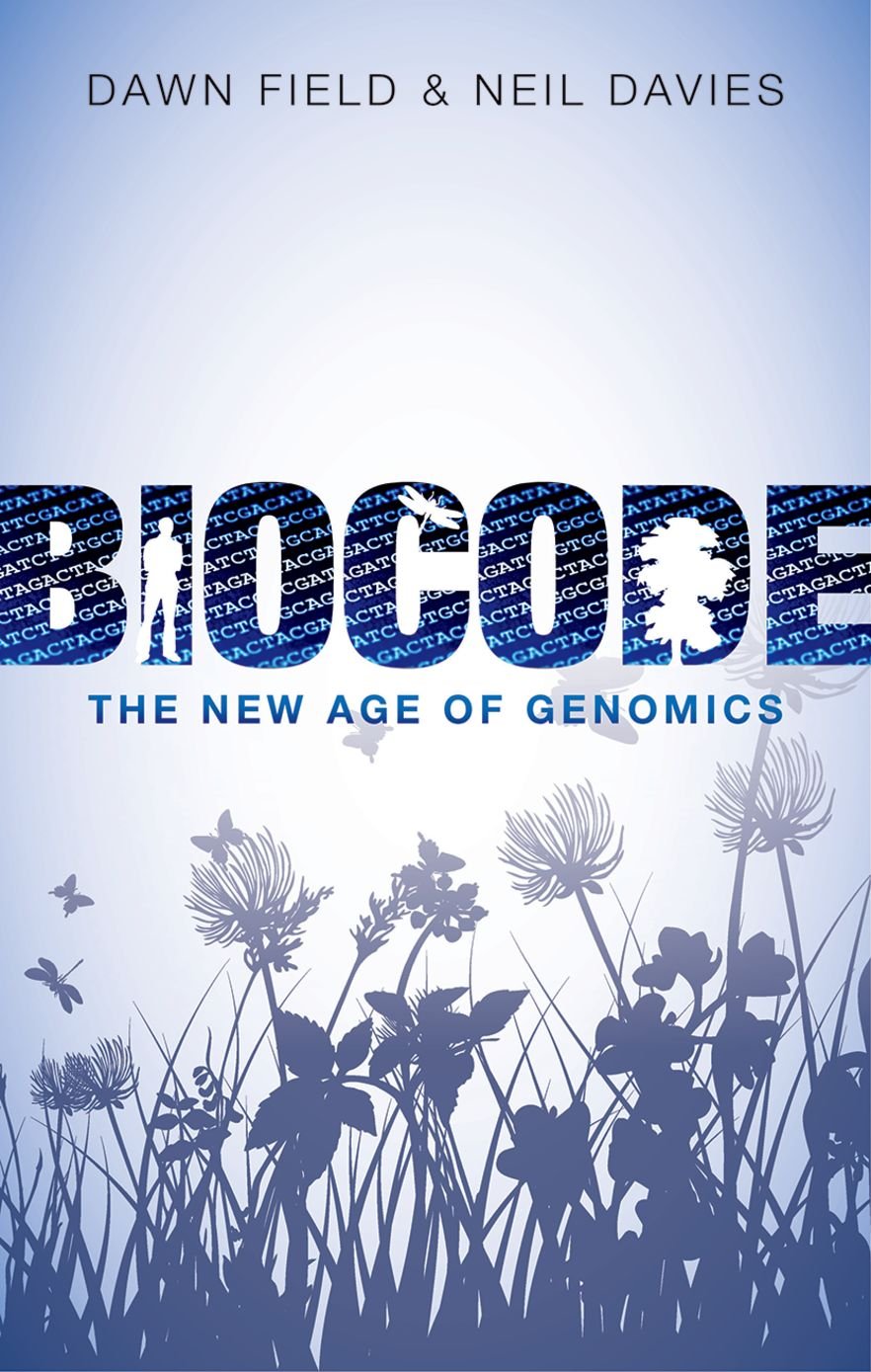
Biocode: The New Age of Genomics,Used
Sold by Ergodebooks, an authorized reseller.
Returns accepted within 30 days | support@ergodebooks.com
Shipping Information
- Free Standard Shipping — United States only
- Processing Time: 3–5 business days
- Estimated Delivery: 6–10 business days after dispatch
- Double-boxed, fully insured & discreetly packaged
- Tracking number sent via email once dispatched
Returns & Refund
Returns accepted within 30 days of delivery.
Damaged or Defective Item
Free return shipping + replacement or full refund
Wrong Item Received
Free return shipping + replacement or full refund
Change of Mind
Return shipping at customer's expense · 25% restocking fee applies
Payment Option

The living world runs on genomic software what Dawn Field and Neil Davies call the 'biocode' the sum of all DNA on Earth. In Biocode, they tell the story of a new age of scientific discovery: the growing global effort to read and map the biocode, and what that might mean for the future. The structure of DNA was identified in 1953, and the whole human genome was mapped by 2003. Since then the new field of genomics has mushroomed and is now operating on an industrial scale. Genomes can now be sequenced rapidly and increasingly cheaply. The genomes of large numbers of organisms from mammals to microbes, have been mapped. Getting your genome sequenced is becoming affordable for many. You too can check paternity, find out where your ancestors came from, or whether you are at risk of some diseases. Some check out the pedigree of their pets, while others turn genomes into art. A stray hair is enough to crudely reconstruct the face of the owner. From reading to constructing: the first steps to creating artificial life have already been taken.Some may find the rapidity of developments, and the potential for misuse, alarming. But they also open up unprecedented possibilities. The ability to read DNA has changed how we view ourselves and understand our place in nature. From the largest oceans, to the insides of our guts, we are able to explore the biosphere as never before, from the genome up. Sequencing technology has made the invisible world of microbes visible, and biodiversity genomics is revealing whole new worlds within us and without. The findings are transformational: we are all ecosystems now. Already the first efforts at 'barcoding' entire ecological communities and creating 'genomic observatories' have begun. The future, the authors argue, will involve biocoding the entire planet.
⚠️ WARNING (California Proposition 65):
This product may contain chemicals known to the State of California to cause cancer, birth defects, or other reproductive harm.
For more information, please visit www.P65Warnings.ca.gov.