
Title
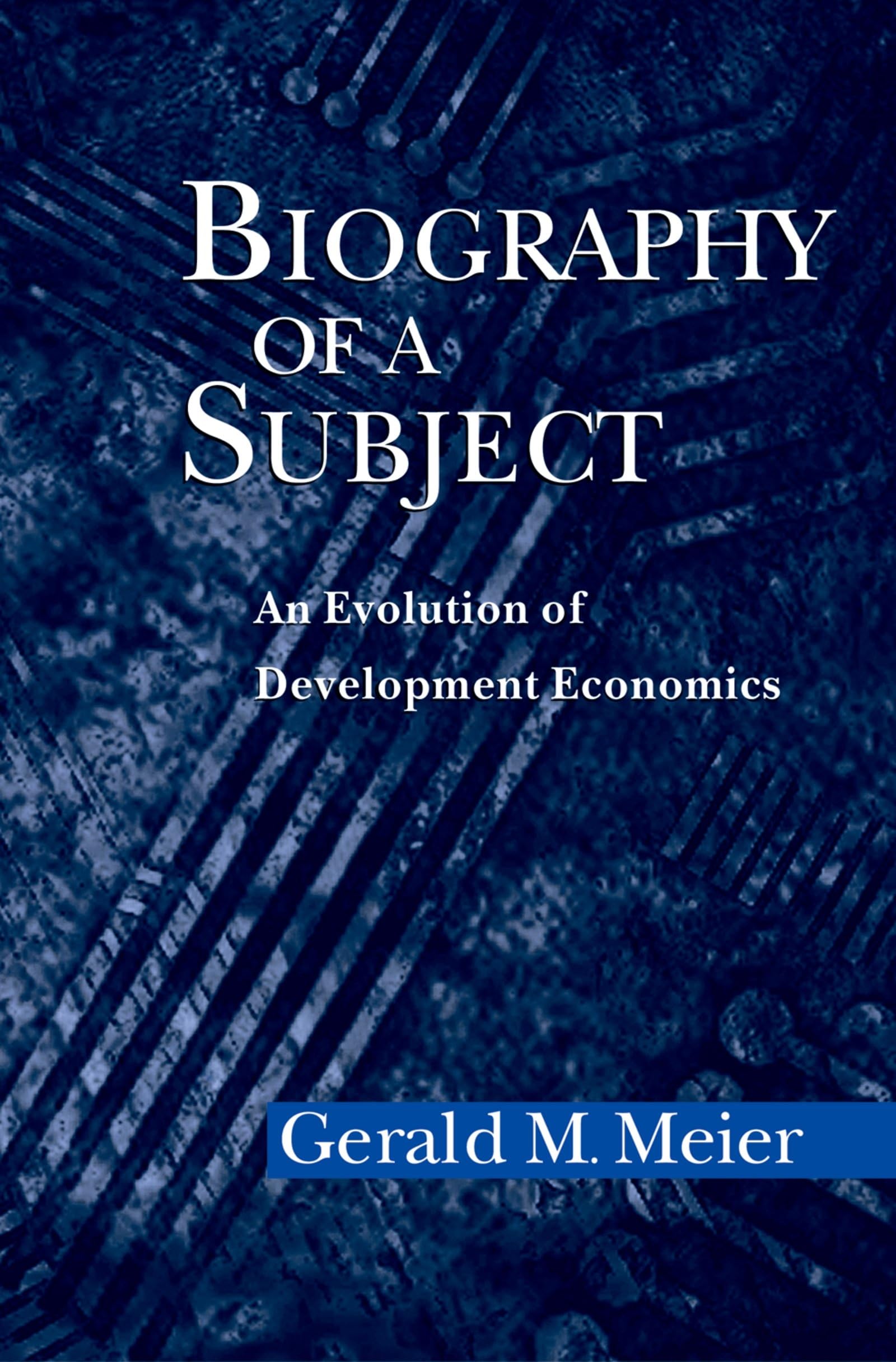
Biography of a Subject: An Evolution of Development Economics,Used
Sold by Ergodebooks, an authorized reseller.
Returns accepted within 30 days | support@ergodebooks.com
Shipping Information
- Free Standard Shipping — United States only
- Processing Time: 3–5 business days
- Estimated Delivery: 6–10 business days after dispatch
- Double-boxed, fully insured & discreetly packaged
- Tracking number sent via email once dispatched
Returns & Refund
Returns accepted within 30 days of delivery.
Damaged or Defective Item
Free return shipping + replacement or full refund
Wrong Item Received
Free return shipping + replacement or full refund
Change of Mind
Return shipping at customer's expense · 25% restocking fee applies
Payment Option

The study of economic development is one of the newest, most exciting, and most challenging branches of the broader discipline of economics and political economy. Although one could claim that Adam Smith was the first 'development economist', the systematic study of the problems and processes of economic development in Africa, Asia, and Latin America has emerged only over the past five decades. This biography of the subject of economic development will focus on the essential ideas in the evolution of development thought and policy over the subject's halfcentury of life. In concise form and avoiding undue technicality, it highlights the influence of development theory on policymaking and on the mixed record of successes and failures in promoting development efforts. The interpretation of theory, policy, and the lessons of experience are covered in three periods: early development economics of the 1950s60s; orthodox reaction of the 1970s80s; and the new development economics of the 1980s90s. Gerald Meierone of the world's most prominent leading thinkers in the economics of development interprets the past treatment of development problems with the present and future in mind. He reinterprets the past two generations of development economists in a contemporary voice. And in a forwardlooking fashion, the book's perspectives should make the next generation of development problemsand development economistsmore intelligible. The reader is invited to consider whether development economists really know how to put matters right.
⚠️ WARNING (California Proposition 65):
This product may contain chemicals known to the State of California to cause cancer, birth defects, or other reproductive harm.
For more information, please visit www.P65Warnings.ca.gov.