If you have any questions, you are always welcome to contact us. We'll get back to you as soon as possible, withing 24 hours on weekdays.
Customer service
All questions about your order, return and delivery must be sent to our customer service team by e-mail at yourstore@yourdomain.com
Sale & Press
If you are interested in selling our products, need more information about our brand or wish to make a collaboration, please contact us at press@yourdomain.com
Help
If you have any questions, you are always welcome to contact us. We'll get back to you as soon as possible, withing 24 hours on weekdays.
Customer service
All questions about your order, return and delivery must be sent to our customer service team by e-mail at yourstore@yourdomain.com
Sale & Press
If you are interested in selling our products, need more information about our brand or wish to make a collaboration, please contact us at press@yourdomain.com
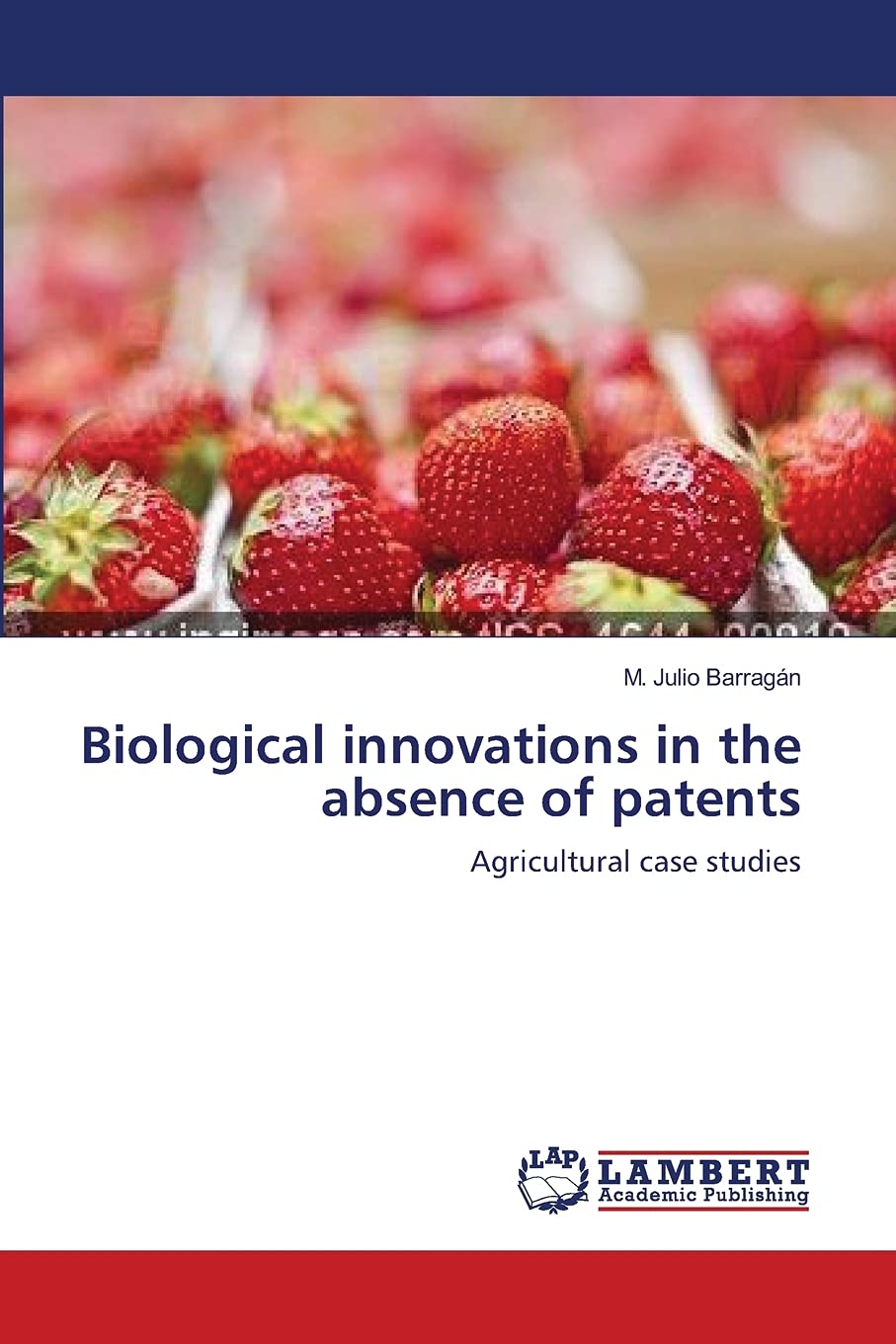
Patents are usually thought to be essential for innovation. For instance, the widespread conviction that US plant variety innovation during the 19th century was insignificant is partly attributed to the fact that, unlike mechanical innovations, no patent arrangements where available for plants at the time. This book introduces previously untapped archival sources to challenge this widespread conviction. At the theoretical level, the book challenges conventional wisdom on the required conditions for private sector innovation: plants were innovated even though patents for plants did not exist, plant innovations could be easily copied, and there was no way to rely on secrecy. At the firm level, new successful varieties were found to start earning a premium, which slowly disappeared over time. At the industry level, the equilibrium number of firms in the industry was found to be affected by shifts in demand. The book concludes with a discussion on the implications for two important policy instruments of 20th century US agriculture: intellectual property rights and public sector innovation. The analysis benefits from fresh and frequent insights that come with new data and new theories.
⚠️ WARNING (California Proposition 65):
This product may contain chemicals known to the State of California to cause cancer,
birth defects, or other reproductive harm.
For MAP (Minimum Advertised Price) violations and Intellectual Property (IP) or Trademark concerns, please contact:
support@ergodebooks.com
⚠️ California Proposition 65 Warning: Some products sold on this website may expose you to chemicals known to the State of California to cause cancer, birth defects, or other reproductive harm. For more information, visit www.P65Warnings.ca.gov.