If you have any questions, you are always welcome to contact us. We'll get back to you as soon as possible, withing 24 hours on weekdays.
Customer service
All questions about your order, return and delivery must be sent to our customer service team by e-mail at yourstore@yourdomain.com
Sale & Press
If you are interested in selling our products, need more information about our brand or wish to make a collaboration, please contact us at press@yourdomain.com
Help
If you have any questions, you are always welcome to contact us. We'll get back to you as soon as possible, withing 24 hours on weekdays.
Customer service
All questions about your order, return and delivery must be sent to our customer service team by e-mail at yourstore@yourdomain.com
Sale & Press
If you are interested in selling our products, need more information about our brand or wish to make a collaboration, please contact us at press@yourdomain.com
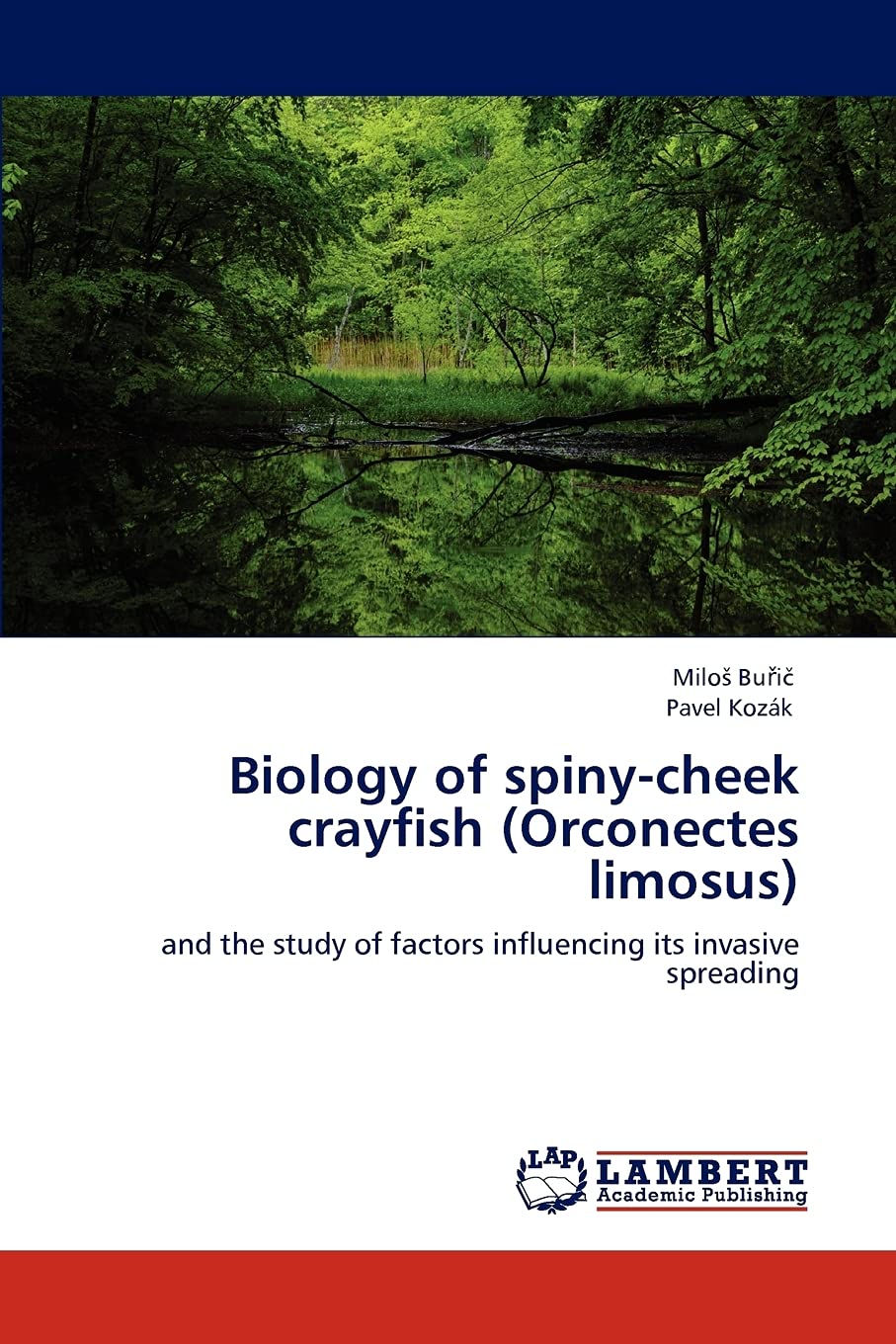
Human activities move many species out of their native ranges, where they establish and have substantial ecological effects on native communities. A group of invaders with particularly important ecological effects are crayfish. The large sphere of action for crayfish invaders are European inland waters, where native crayfish stock were depopulated in 19th century due to crayfish plague. Apart from plague, other negative factors include pollution of surface waters, habitat alterations, competition with nonnative species, or predation. In accordance to native species conservation, the knowledge about crayfish invaders (distribution, life cycle, ecology) is important to assess their invasive potential and develop an effective management to suppress their spreading. Orconectes limosus is actually on of the the most distributed and actively spreading invasive crayfish in Europe.
⚠️ WARNING (California Proposition 65):
This product may contain chemicals known to the State of California to cause cancer,
birth defects, or other reproductive harm.
For MAP (Minimum Advertised Price) violations and Intellectual Property (IP) or Trademark concerns, please contact:
support@ergodebooks.com
⚠️ California Proposition 65 Warning: Some products sold on this website may expose you to chemicals known to the State of California to cause cancer, birth defects, or other reproductive harm. For more information, visit www.P65Warnings.ca.gov.