
Title
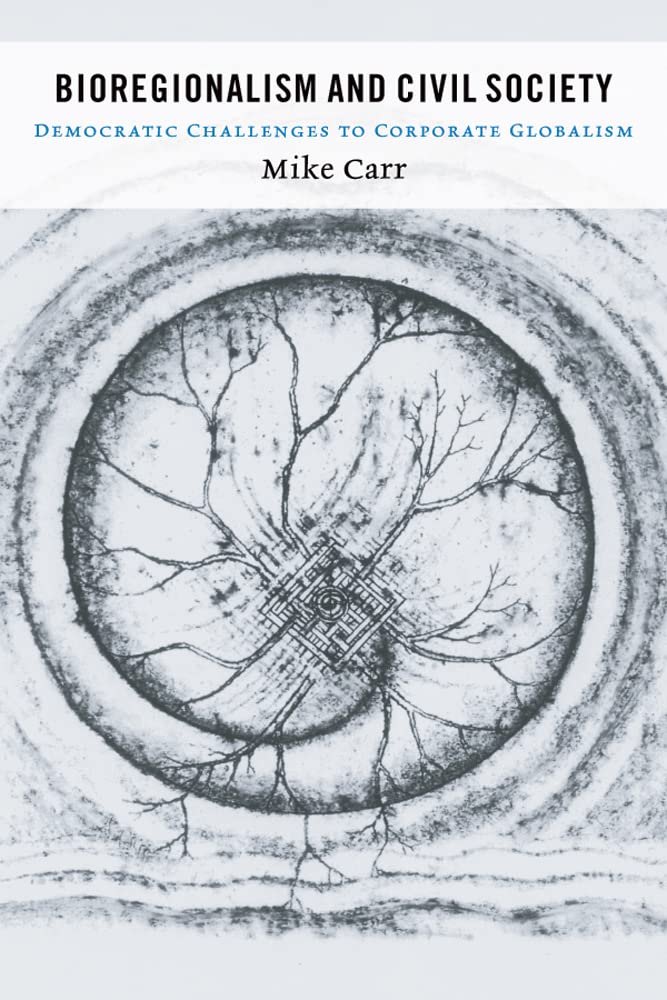
Bioregionalism and Civil Society: Democratic Challenges to Corporate Globalism (Sustainability and the Environment),Used
Sold by Ergodebooks, an authorized reseller.
Returns accepted within 30 days | support@ergodebooks.com
Shipping Information
- Free Standard Shipping — United States only
- Processing Time: 3–5 business days
- Estimated Delivery: 6–10 business days after dispatch
- Double-boxed, fully insured & discreetly packaged
- Tracking number sent via email once dispatched
Returns & Refund
Returns accepted within 30 days of delivery.
Damaged or Defective Item
Free return shipping + replacement or full refund
Wrong Item Received
Free return shipping + replacement or full refund
Change of Mind
Return shipping at customer's expense · 25% restocking fee applies
Payment Option

Bioregionalism and Civil Society addresses the urgent need for sustainability in industrialized societies. The book explores the bioregional movement in the US, Canada, and Mexico, examining its vision, values, strategies, and tools for building sustainable societies. Bioregionalism is a philosophy with values and practices that attempt to meld issues of social and econmic justice and sustainability with cultural, ecolgoical, and spiritual concerns. Further, bioregional efforts of democratic social and cultural change take place primarily in the sphere of civil society.Practically, Carr agrues for bioregionalism as a placespecific, community movement that can stand in diverse opposition to the homogenizing trends of corporate globalization. Theoretically, the author seeks lessons for civil societybased social theory and strategy. Conventional civil society theory from Europe proposes a dual strategy of developing strong horizontal communicative action among civic associations and networks as the basis for strategic vertical campaigns to democratize both state and market sectors. However, this theory offers no ecological or cultural critique of consumerism. By contrast, Carr integrates both social and natural ecologies in a civil society theory that incorporates lessons about consumption and cultural transformation from bioregional practice.Carrs argument that bioregional values and communitybuilding tools support a diverse, democratic, socially just civil society that respects and cares for the natural world makes a significant contribution to the field of green political science, social change theory, and environmental thought.
⚠️ WARNING (California Proposition 65):
This product may contain chemicals known to the State of California to cause cancer, birth defects, or other reproductive harm.
For more information, please visit www.P65Warnings.ca.gov.