
Title
Bipolar Expeditions: Mania And Depression In American Culture
Processing time: 1-3 days
US Orders Ships in: 3-5 days
International Orders Ships in: 8-12 days
Return Policy: 15-days return on defective items
Payment Option

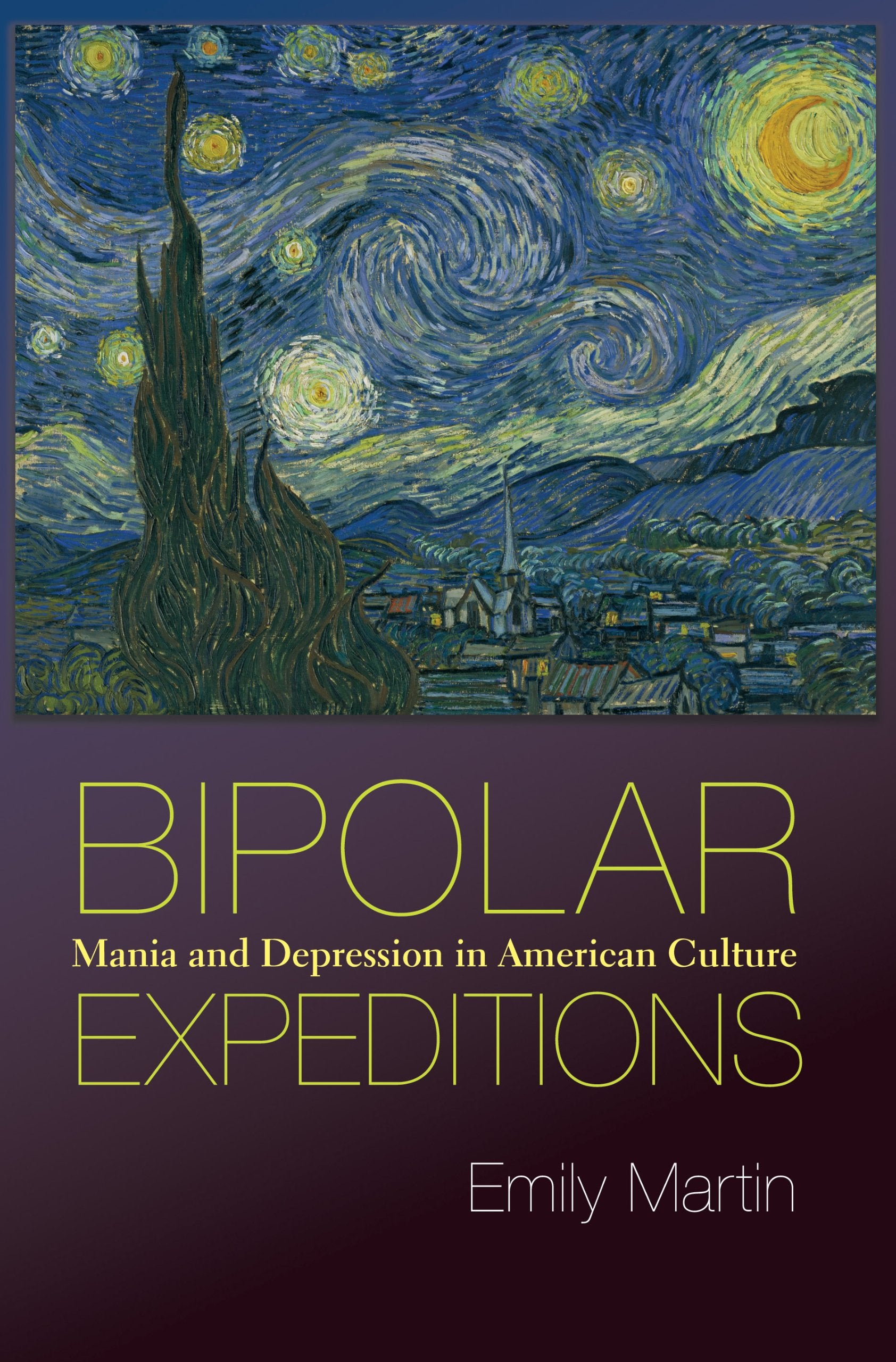
Manic Behavior Holds An Undeniable Fascination In American Culture Today. It Fuels The Plots Of Bestselling Novels And The Imagery Of Mtv Videos, Is Acknowledged As The Driving Force For Successful Entrepreneurs Like Ted Turner, And Is Celebrated As The Source Of The Creativity Of Artists Like Vincent Van Gogh And Movie Stars Like Robin Williams. Bipolar Expeditions Seeks To Understand Mania'S Appeal And How It Weighs On The Lives Of Americans Diagnosed With Manic Depression.Anthropologist Emily Martin Guides Us Into The Fascinating And Sometimes Disturbing Worlds Of Mentalhealth Support Groups, Mood Charts, Psychiatric Rounds, The Pharmaceutical Industry, And Psychotropic Drugs. Charting How These Worlds Intersect With The Wider Popular Culture, She Reveals How People Living Under The Description Of Bipolar Disorder Are Often Denied The Status Of Being Fully Human, Even While Contemporary America Exhibits A Powerful Affinity For Manic Behavior. Mania, Martin Shows, Has Come To Be Regarded As A Distant Frontier That Invites Exploration Because It Seems To Offer Fame And Profits To Pioneers, While Depression Is Imagined As Something That Should Be Eliminated Altogether With The Help Of Drugs.Bipolar Expeditions Argues That Mania And Depression Have A Cultural Life Outside The Confines Of Diagnosis, That The Experiences Of People Living With Bipolar Disorder Belong Fully To The Human Condition, And That Even The Most Socalled Rational Everyday Practices Are Intertwined With Irrational Ones. Martin'S Own Experience With Bipolar Disorder Informs Her Analysis And Lends A Personal Perspective To This Complex Story.
⚠️ WARNING (California Proposition 65):
This product may contain chemicals known to the State of California to cause cancer, birth defects, or other reproductive harm.
For more information, please visit www.P65Warnings.ca.gov.
- Q: What is the main theme of 'Bipolar Expeditions'? A: The main theme of 'Bipolar Expeditions' is the exploration of mania and depression in American culture, particularly how these conditions are perceived and experienced by individuals diagnosed with bipolar disorder.
- Q: Who is the author of 'Bipolar Expeditions'? A: The author of 'Bipolar Expeditions' is Emily Martin, an anthropologist who shares her insights and experiences related to bipolar disorder throughout the book.
- Q: What type of book is 'Bipolar Expeditions'? A: 'Bipolar Expeditions' is a hardcover book that combines personal narrative, cultural analysis, and anthropological insights to discuss the complexities of living with bipolar disorder.
- Q: How many pages does 'Bipolar Expeditions' have? A: 'Bipolar Expeditions' has a total of 400 pages, offering an in-depth examination of its subject matter.
- Q: When was 'Bipolar Expeditions' published? A: 'Bipolar Expeditions' was published on July 29, 2007.
- Q: What condition is discussed in 'Bipolar Expeditions'? A: 'Bipolar Expeditions' discusses bipolar disorder, focusing on both mania and depression and their impact on individuals and society.
- Q: Is 'Bipolar Expeditions' a used book? A: 'Bipolar Expeditions' is classified as a used book in good condition, which may show some signs of wear but remains readable and intact.
- Q: What insights does Emily Martin provide in the book? A: Emily Martin provides insights into the intersection of mental health, culture, and personal experience, drawing from her own life with bipolar disorder to inform her analysis.
- Q: What makes 'Bipolar Expeditions' relevant to contemporary readers? A: 'Bipolar Expeditions' is relevant to contemporary readers as it explores the cultural fascination with manic behavior while addressing the stigmas and challenges faced by those with bipolar disorder.
- Q: Does 'Bipolar Expeditions' offer a personal perspective? A: 'Bipolar Expeditions' offers a personal perspective through Emily Martin's experiences with bipolar disorder, enhancing the understanding of the emotional and societal dimensions of the condition.