
Title
Bitter Water: Din Oral Histories of the NavajoHopi Land Dispute (First Peoples: New Directions in Indigenous Studies),Used
Sold by Ergodebooks, an authorized reseller.
Returns accepted within 30 days | support@ergodebooks.com
Shipping Information
- Free Standard Shipping — United States only
- Processing Time: 3–5 business days
- Estimated Delivery: 6–10 business days after dispatch
- Double-boxed, fully insured & discreetly packaged
- Tracking number sent via email once dispatched
Returns & Refund
Returns accepted within 30 days of delivery.
Damaged or Defective Item
Free return shipping + replacement or full refund
Wrong Item Received
Free return shipping + replacement or full refund
Change of Mind
Return shipping at customer's expense · 25% restocking fee applies
Payment Option

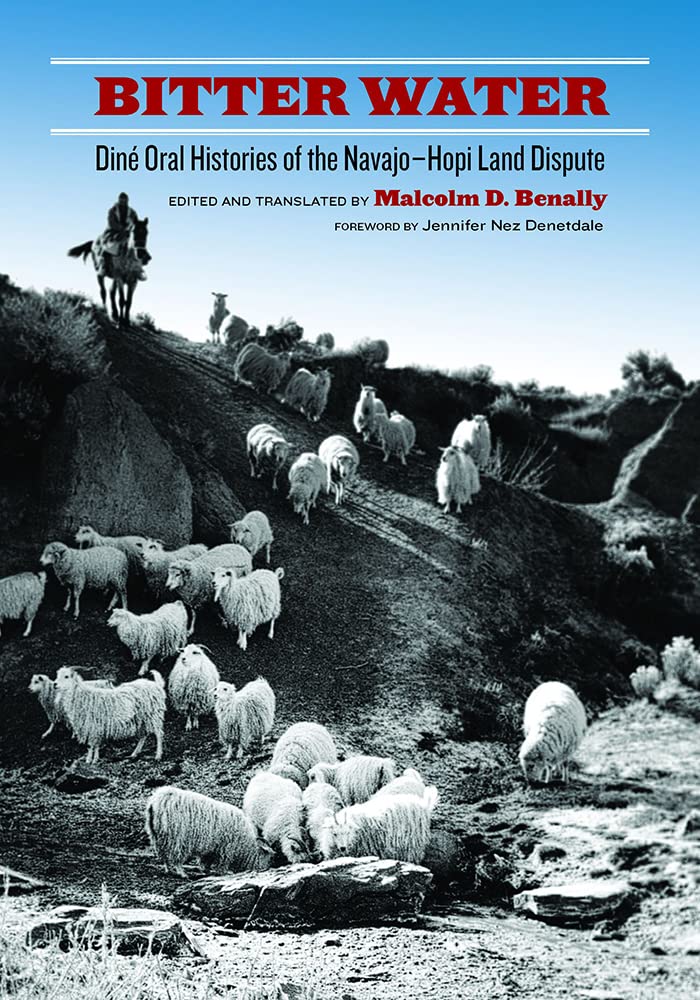
Many know that the removal and relocation of Indigenous peoples from traditional lands is a part of the United States colonial past, but few know thatin an expansive corner of northeastern Arizonathe saga continues. The 1974 Settlement Act officially divided a reservation established almost a century earlier between the Din (Navajo) and the Hopi, and legally granted the contested land to the Hopi. To date, the U.S. government has relocated between 12,000 and 14,000 Din from Hopi Partitioned Lands, and the Dinboth there and elsewherecontinue to live with the legacy of this relocation.Bitter Water presents the narratives of four Din women who have resisted removal but who have watched as their communities and lifeways have changed dramatically. The book, based on 25 hours of filmed personal testimony, features the womens candid discussions of their efforts to carry on a traditional way of life in a contemporary world that includes relocation and partitioned lands; encroaching Western values and culture; and devastating mineral extraction and development in the Black Mesa region of Arizona. Though their accounts are framed by insightful writings by both Benally and Din historian Jennifer Nez Denetdale, Benally lets the stories of the four women elders speak for themselves.Scholars, media, and other outsiders have all told their versions of this story, but this is the first book that centers on the stories of women who have lived itin their own words in Navajo as well as the English translation. The result is a living history of a contested cultural landscape and the unique worldview of women determined to maintain their traditions and lifeways, which are so intimately connected to the land. This book is more than a collection of stories, poetry, and prose. It is a chronicle of resistance as spoken from the hearts of those who have lived it.
⚠️ WARNING (California Proposition 65):
This product may contain chemicals known to the State of California to cause cancer, birth defects, or other reproductive harm.
For more information, please visit www.P65Warnings.ca.gov.
- Q: How many pages does the book have? A: This book has one hundred twenty-seven pages. It provides a comprehensive look into the Navajo-Hopi land dispute through oral histories.
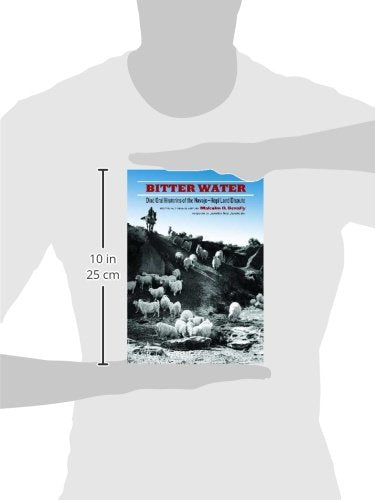
- Q: What are the dimensions of the book? A: The book measures seven point zero one inches in length, zero point four inches in width, and ten inches in height. These dimensions make it a convenient size for reading.
- Q: What type of binding does this book have? A: This book is paperback bound. This type of binding is flexible and lightweight, making it easy to handle.
- Q: Who is the author of this book? A: The author of this book is Malcolm D. Benally. He presents the narratives of four Diné women regarding their experiences.
- Q: What is the genre of this book? A: This book falls under the category of Native American literature. It focuses on Indigenous oral histories and cultural narratives.
- Q: Is this book suitable for young readers? A: This book is primarily aimed at adult readers and scholars. It addresses complex themes related to Indigenous history and culture.
- Q: How do I read this book? A: You can read this book as you would any other. Simply open it and follow the text from beginning to end. It includes both Navajo and English translations.
- Q: What themes are explored in the book? A: The book explores themes of cultural resistance, land dispute, and Indigenous identity. It highlights the lived experiences of Diné women.
- Q: How do I care for this book? A: To keep this book in good condition, store it in a cool, dry place and avoid exposure to direct sunlight. Handle it gently to prevent wear.
- Q: Can I easily transport this book? A: Yes, this book is lightweight and has a manageable size for easy transport. You can carry it in a bag or backpack.
- Q: What if my book arrives damaged? A: If your book arrives damaged, you should contact the seller for return or replacement options. Keep all packaging and receipts for reference.
- Q: Is there a return policy for this book? A: Yes, there is typically a return policy for books. Check with the seller for specific terms regarding returns and exchanges.
- Q: Does this book include visual elements? A: The book focuses primarily on text and oral histories, with no significant visual elements included. It emphasizes storytelling through words.
- Q: Is this book a good resource for academic research? A: Yes, this book serves as an excellent resource for academic research on Indigenous studies. It includes firsthand accounts and scholarly context.
- Q: What makes this book unique? A: This book is unique because it centers on the voices of Diné women, providing personal narratives that are often overlooked in historical accounts of the land dispute.