
Title
Black and Green: AfroColombians, Development, and Nature in the Pacific Lowlands,New
Sold by Ergodebooks, an authorized reseller.
Returns accepted within 30 days | support@ergodebooks.com
Shipping Information
- Free Standard Shipping — United States only
- Processing Time: 3–5 business days
- Estimated Delivery: 6–10 business days after dispatch
- Double-boxed, fully insured & discreetly packaged
- Tracking number sent via email once dispatched
Returns & Refund
Returns accepted within 30 days of delivery.
Damaged or Defective Item
Free return shipping + replacement or full refund
Wrong Item Received
Free return shipping + replacement or full refund
Change of Mind
Return shipping at customer's expense · 25% restocking fee applies
Payment Option

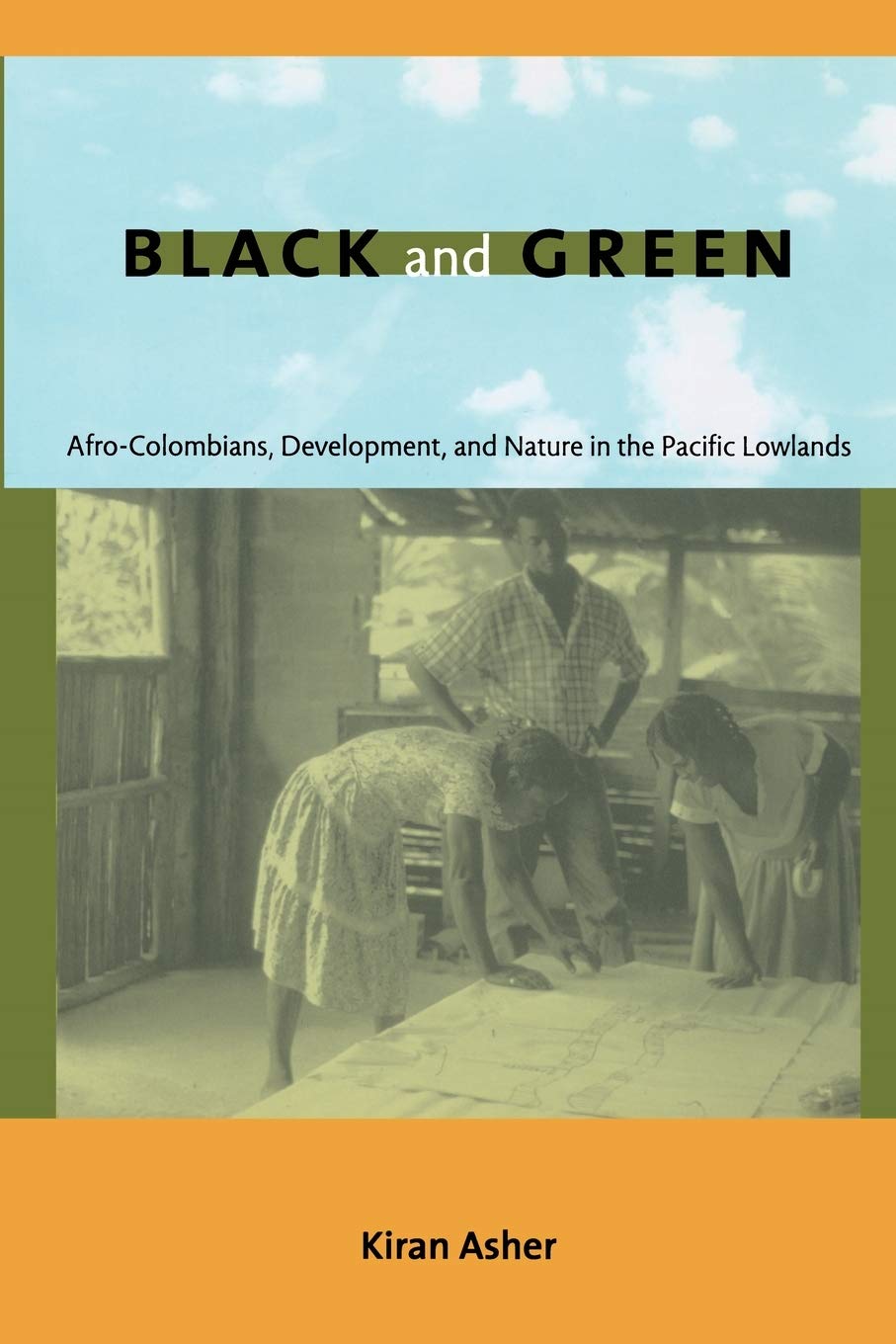
In Black and Green, Kiran Asher provides a powerful framework for reconceptualizing the relationship between neoliberal development and social movements. Moving beyond the notion that development is a hegemonic, homogenizing force that victimizes local communities, Asher argues that development processes and social movements shape each other in uneven and paradoxical ways. She bases her argument on ethnographic analysis of the black social movements that emerged from and interacted with political and economic changes in Colombias Pacific lowlands, or Choc region, in the 1990s.The Pacific region had yet to be overrun by drug traffickers, guerrillas, and paramilitary forces in the early 1990s. It was better known as the largest area of black culture in the country (90 percent of the regions population is AfroColombian) and as a supplier of natural resources, including timber, gold, platinum, and silver. Colombias Law 70, passed in 1993, promised ethnic and cultural rights, collective land ownership, and socioeconomic development to AfroColombian communities. At the same time that various constituencies sought to interpret and implement Law 70, the state was moving ahead with largescale development initiatives intended to modernize the economically backward coastal lowlands. Meanwhile national and international conservation organizations were attempting to protect the regions rich biodiversity. Asher explores this juxtaposition of black rights, economic development, and conservationand the tensions it catalyzed. She analyzes the meanings attached to culture, nature, and development by the Colombian state and AfroColombian social movements, including womens groups. In so doing, she shows that the appropriation of development and conservation discourses by the social movements had a paradoxical effect. It legitimized the presence of state, development, and conservation agencies in the Pacific region even as it influenced those agencies visions and plans.
⚠️ WARNING (California Proposition 65):
This product may contain chemicals known to the State of California to cause cancer, birth defects, or other reproductive harm.
For more information, please visit www.P65Warnings.ca.gov.