If you have any questions, you are always welcome to contact us. We'll get back to you as soon as possible, withing 24 hours on weekdays.
Customer service
All questions about your order, return and delivery must be sent to our customer service team by e-mail at yourstore@yourdomain.com
Sale & Press
If you are interested in selling our products, need more information about our brand or wish to make a collaboration, please contact us at press@yourdomain.com
Help
If you have any questions, you are always welcome to contact us. We'll get back to you as soon as possible, withing 24 hours on weekdays.
Customer service
All questions about your order, return and delivery must be sent to our customer service team by e-mail at yourstore@yourdomain.com
Sale & Press
If you are interested in selling our products, need more information about our brand or wish to make a collaboration, please contact us at press@yourdomain.com
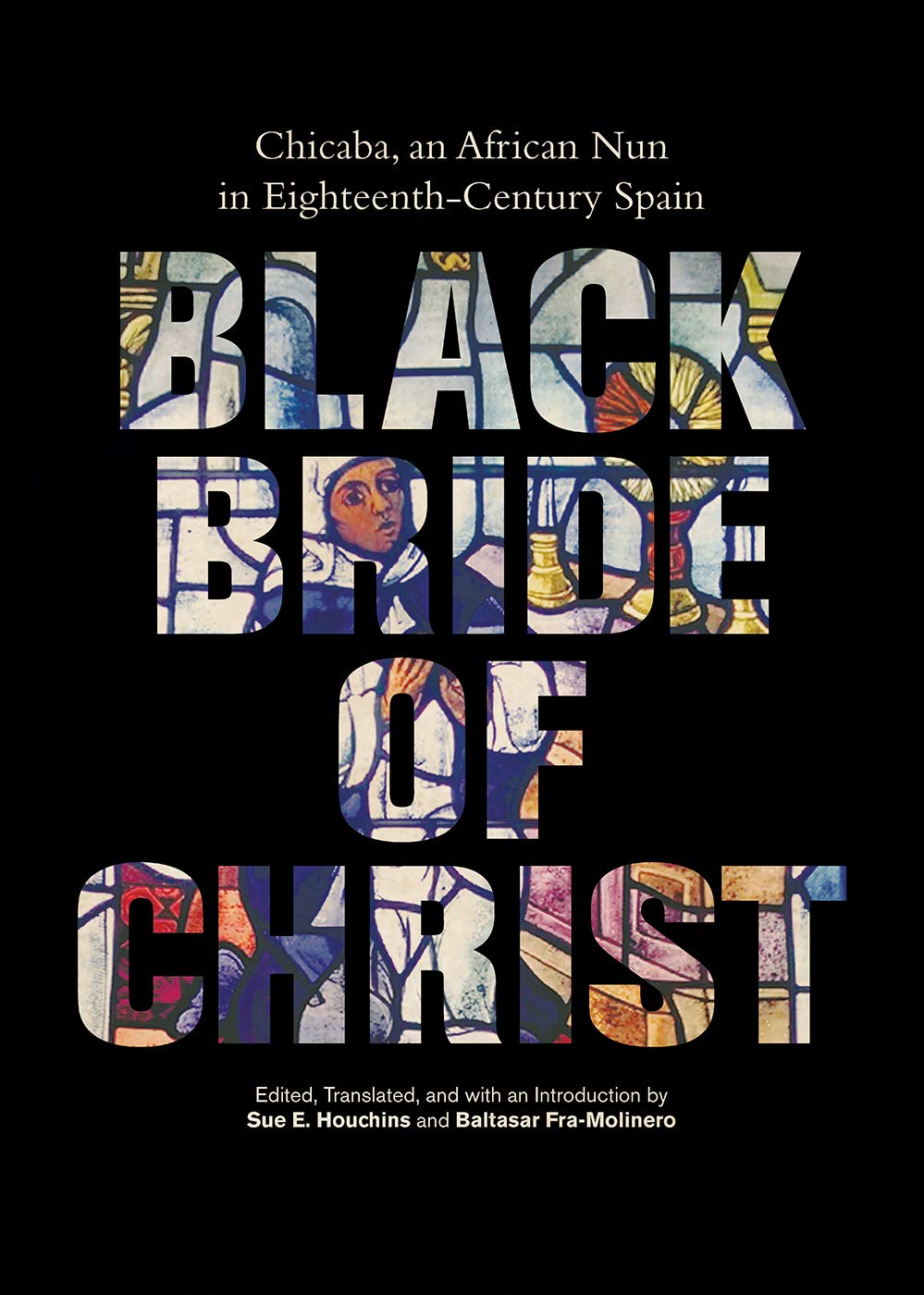
Teresa de Santo Domingo, born with the name Chicaba, was a slave captured in the territory known to seventeenth and eighteenthcentury Spanish and Portuguese navigators and slave traffickers as La Mina Baja del Oro, the part of West Africa that extends through presentday eastern Ghana, Togo, Benin, and western Nigeria. Upon the death of her Spanish master, Chicaba was freed to enter a convent. The Dominicans of La Penitencia in Salamanca accepted her after she had been rejected by several other monasteries because of her skin color. Even in her own religious community, race put her at a disadvantage in the highly stratified social hierarchy of monastic houses of the era. Her life story is known to us through a document entitled Compendio de la vida ejemplar de la Venerable Madre Sor Teresa Juliana de Santo Domingo, which is the foundational documentary evidence in the case for beatification of this nun, and as such it is the most significant and comprehensive source of information about her.This volume, the first English translation of the Compendio, is a hagiography, an example of a biographical genre that recounts the lives and describes the spiritual practices of saints officially canonized by the Church, respected ecclesiastical leaders, or holy people informally recognized by local devotees. The effort to have Chicaba canonized continues today, as FraMolinero and Houchins explore in their introduction to the volume.
⚠️ WARNING (California Proposition 65):
This product may contain chemicals known to the State of California to cause cancer,
birth defects, or other reproductive harm.
For MAP (Minimum Advertised Price) violations and Intellectual Property (IP) or Trademark concerns, please contact:
support@ergodebooks.com
⚠️ California Proposition 65 Warning: Some products sold on this website may expose you to chemicals known to the State of California to cause cancer, birth defects, or other reproductive harm. For more information, visit www.P65Warnings.ca.gov.