
Title


Black Gold To Bluegrass: From The Oil Fields Of Texas To Spindletop Farm Of Kentucky,Used
Sold by Ergodebooks, an authorized reseller.
Returns accepted within 30 days | support@ergodebooks.com
Shipping Information
- Free Standard Shipping — United States only
- Processing Time: 3–5 business days
- Estimated Delivery: 6–10 business days after dispatch
- Double-boxed, fully insured & discreetly packaged
- Tracking number sent via email once dispatched
Returns & Refund
Returns accepted within 30 days of delivery.
Damaged or Defective Item
Free return shipping + replacement or full refund
Wrong Item Received
Free return shipping + replacement or full refund
Change of Mind
Return shipping at customer's expense · 25% restocking fee applies
Payment Option

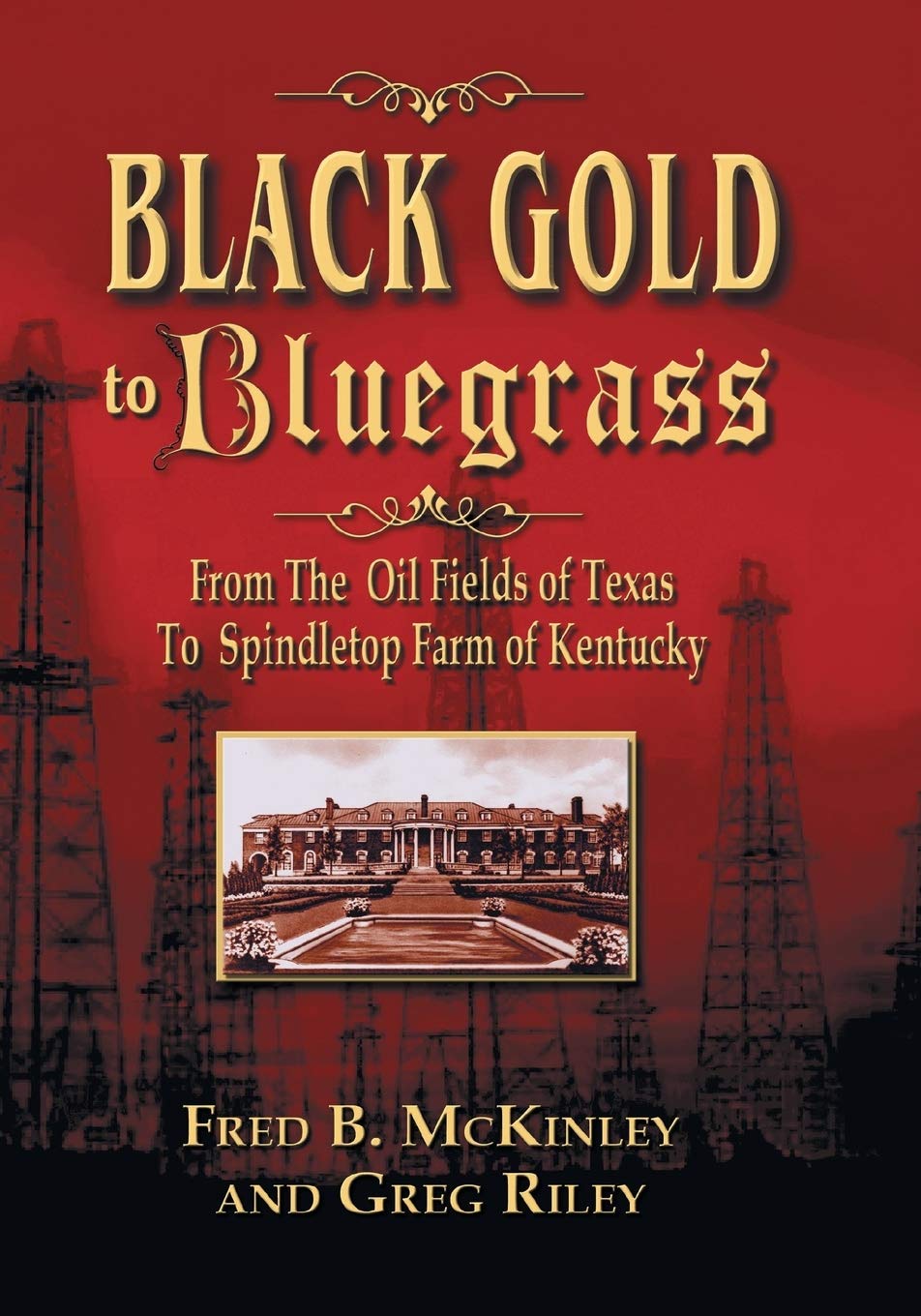
Black Gold to Bluegrass is the first such work that concentrates wholly on the Second Spindletop Oil Boom and what happened afterwardtaking the story from the oil fields of Southeast Texas and Louisiana to the Bluegrass of Kentucky. After partnering with Thomas Peter Lee of Houston, Frank Yount, waterwell driller turned wildcatter, struck it rich, and the YountLee Oil Company began a remarkable march that almost took it to the top of the oil industry. Although he used some of his wealth to benefit his fellowman, Frank Yount, also put together a priceless collection of antique violins, and some of the classiest and most expensive automobiles of the day, including three Duesenbergs and a Cord. He built a stateoftheart Saddlebred training facility in Beaumont, hired dashing horseman Cape Grant to run it, and directed him to take the horses of Spindletop Stables to competitive shows throughout the countyand win! Frank Yount died young at age 53 in November 1933. Within two years, Pansyhis wife and principal heirand the investors in the YountLee Oil Company sold the enterprise to Houston attorney Wright Morrow for then what amounted to the thirdlargest financial transaction in American business history. Morrow, who later became one of the giants of Texas politics, immediately parceled off most of YountLee's oil assets to Stanolind (Standard Oil of Indiana), a subsidiary of the giant Standard Oil conglomerate which later became Amoco. In spite of the magnitude of this transaction, when expressed in Depression era dollars, it was later widely acknowledged that no one, save perhaps Frank Yount himself, fully understood the astronomical significance and value of the YountLee holdings. Pansy, no less independent and colorful than her husband (but somewhat more flamboyant) took her part of the family's fortune and moved Spindletop Stables to a 1,066 acre show farm in the horse country of Kentucky, building a 45,000 square foot mansion which she named Spindletop Hall, the centerpiece of the new and extremely successful Spindletop Farm. The farm became the most innovative saddle horse breeding facility of its time, and Pansy became a legend in horse circles. Using an array of previously unknown primary source materials from the YountManion family archives, photographs never before published, and recently discovered film, McKinley and Riley present a book filled with incredible acts of generosity, longstanding controversies, intrigues, and twists and turns at every point. Black Gold to Bluegrass is a must for general readers and scholars alike, whose interests lie in Saddlebreds, antique automobiles, or violins; and for oil enthusiasts, the book paints a ragstoriches story of a true wildcatter turned contemporary hero who embodies the American dream.
⚠️ WARNING (California Proposition 65):
This product may contain chemicals known to the State of California to cause cancer, birth defects, or other reproductive harm.
For more information, please visit www.P65Warnings.ca.gov.