
Title
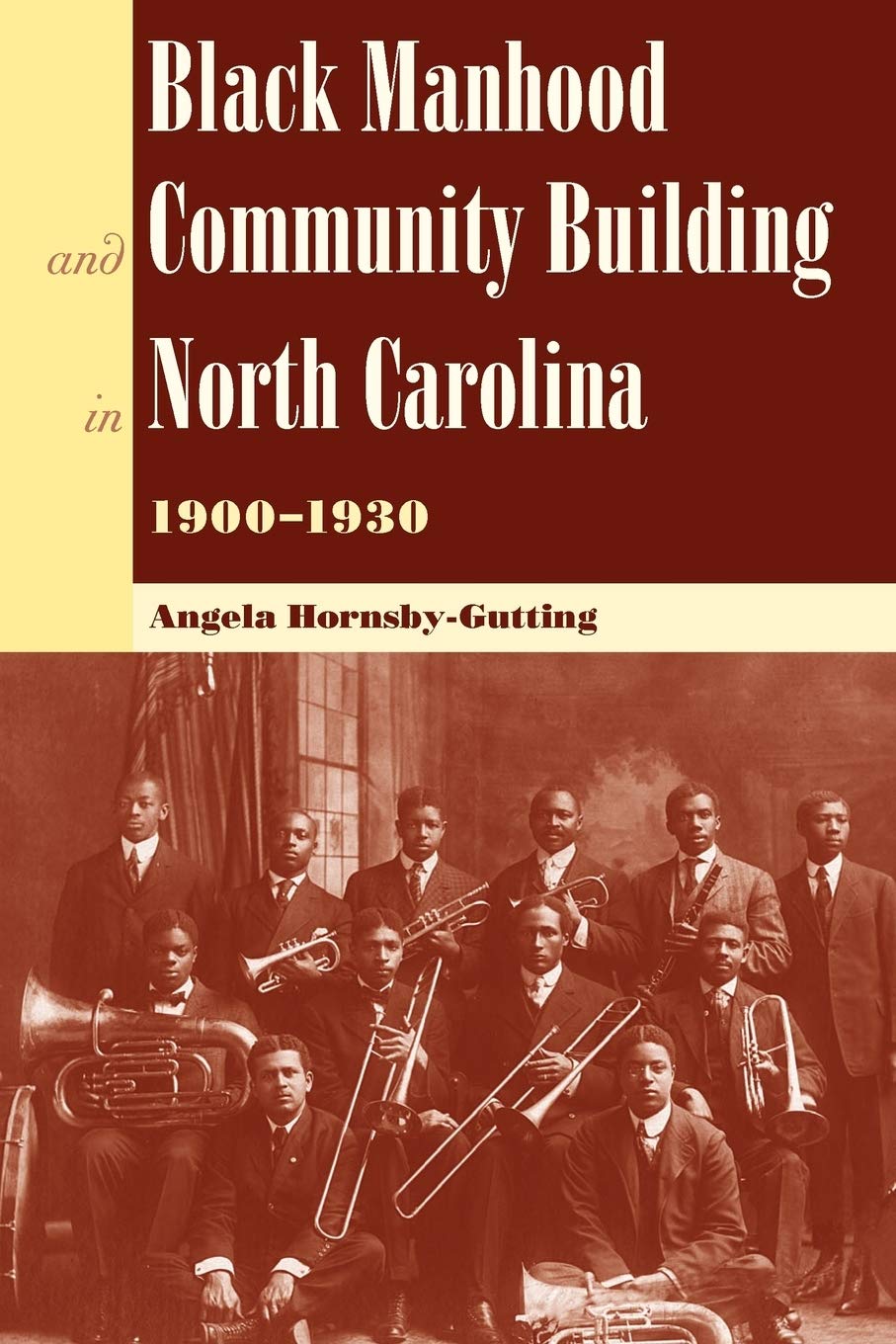
Black Manhood And Community Building In North Carolina, 1900?1930 (New Perspectives On The History Of The South),New
Sold by Ergodebooks, an authorized reseller.
Returns accepted within 30 days | support@ergodebooks.com
Shipping Information
- Free Standard Shipping — United States only
- Processing Time: 3–5 business days
- Estimated Delivery: 6–10 business days after dispatch
- Double-boxed, fully insured & discreetly packaged
- Tracking number sent via email once dispatched
Returns & Refund
Returns accepted within 30 days of delivery.
Damaged or Defective Item
Free return shipping + replacement or full refund
Wrong Item Received
Free return shipping + replacement or full refund
Change of Mind
Return shipping at customer's expense · 25% restocking fee applies
Payment Option

A thorough, sympathetic, fair, and balanced treatment of an important topic. Through careful research, HornsbyGutting brings a searching analysis to the cultural responses of black male leaders to disenfranchisement and Jim Crow segregation.'Paul David Escott, Wake Forest University'HornsbyGutting's examination of the involvement of black men in the institutional life of their turnofthecentury North Carolina communities expands our understanding of gendered activism in the Jim Crow South.'Beverly G. Bond, University of MemphisHistorical treatments of race during the early twentieth century have generally focused on black women's activism. Leading books about the disenfranchisement era hint that black men withdrew from positions of community leadership until later in the century.Angela HornsbyGutting argues that middleclass black men in North Carolina in fact actively responded to new manifestations of racism. Focusing on the localized, grassroots work of black men during this period, she offers new insights about rarely scrutinized interracial dynamics as well as the interactions between men and women in the black community.Informed by feminist analysis, HornsbyGutting uses gender as the lens through which to view cooperation, tension, and negotiation between the sexes and among African American men during an era of heightened race oppression. Her work promotes improved understanding of the construct of gender during these years, and expands the vocabulary of black manhood beyond the 'great man ideology' which has obfuscated alternate, localized meanings of politics, manhood, and leadership.Angela HornsbyGutting is assistant professor of history at the University of Mississippi.
⚠️ WARNING (California Proposition 65):
This product may contain chemicals known to the State of California to cause cancer, birth defects, or other reproductive harm.
For more information, please visit www.P65Warnings.ca.gov.