
Title
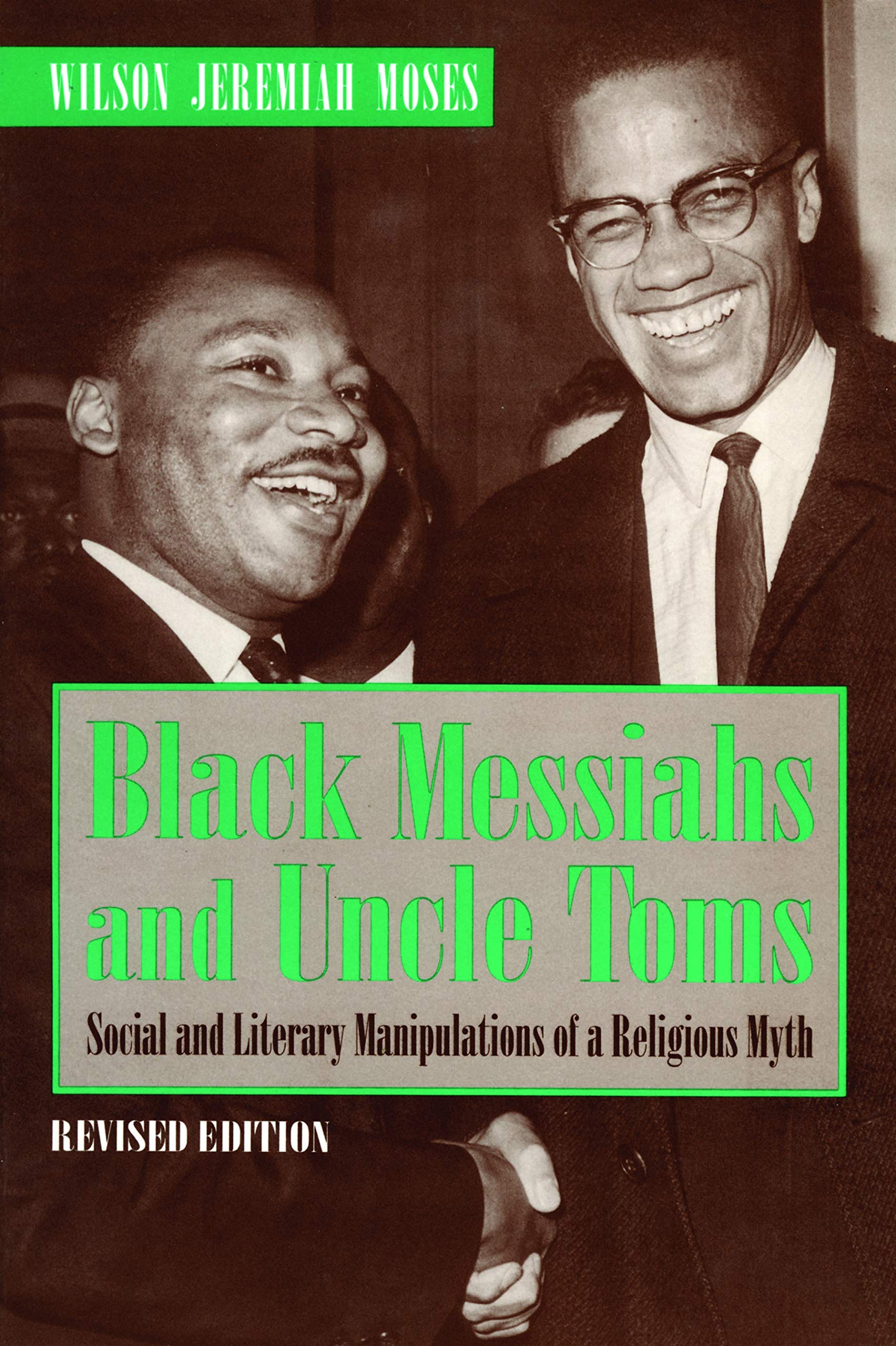
Black Messiahs and Uncle Toms: Social and Literary Manipulations of a Religious Myth. Revised Edition,Used
Sold by Ergodebooks, an authorized reseller.
Returns accepted within 30 days | support@ergodebooks.com
Shipping Information
- Free Standard Shipping — United States only
- Processing Time: 3–5 business days
- Estimated Delivery: 6–10 business days after dispatch
- Double-boxed, fully insured & discreetly packaged
- Tracking number sent via email once dispatched
Returns & Refund
Returns accepted within 30 days of delivery.
Damaged or Defective Item
Free return shipping + replacement or full refund
Wrong Item Received
Free return shipping + replacement or full refund
Change of Mind
Return shipping at customer's expense · 25% restocking fee applies
Payment Option

Martin Luther King is dead and the millenarian integrationalism that he symbolized sleeps with him, but messianic Christian rhetoric still characterizes black oratory both from the pulpit and on the hustings. Dead, too, are the chief American prophets of PanIslam, but the Ethiopian Hebrews and Moorish Science Temple are still active. As black messianic myths die out, this book argues, new ones spring up to take their places.Dr. Moses views black messianism as a powerful and, in many respects, a beautiful myth, permeating the thinking of both white and black Americans since the late 18th century. But, he points out, black messianism was evident as early as 1788 in the writings of Othello, or 1791, when Benjamin Banneker wrote to Thomas Jefferson of the Negros divine right to share the new nations peculiar blessing of the heaven. The author carefully defines the concept of messianism, and considers redemptive mission as a key attribute of the conceptionone with which Harriet Beecher Stowe endowed Uncle Tom (despite activists mistaken notion of him as servile).The mythic black hero as messiah is a pervasive theme in literary and social expressions as disparate as the writings of Booker T. Washington, Marcus Garvey, W.E.B. Dubois, and Ralph Ellison, and the cults that developed around Joe Louis, Malcolm X, and others. Following the methodology used by Henry Nash Smith in Virgin Land: The American West as Symbol and Myth, Dr. Moses presents a new angle of vision on many of the issues of black messianism and on the leading figures in the movement. The author concludes thatdespite the frequent excesses and even absurdities of black messianismthe American traditions of evangelical reform, perfectionism, and the social gospel offer more promise than todays widespread narcissistic anarchism.Reviewers commented that [Dr. Moses] analysis is as probing as anything and that the book will stir controversy as well as praise by other scholars in the field.
⚠️ WARNING (California Proposition 65):
This product may contain chemicals known to the State of California to cause cancer, birth defects, or other reproductive harm.
For more information, please visit www.P65Warnings.ca.gov.