
Title
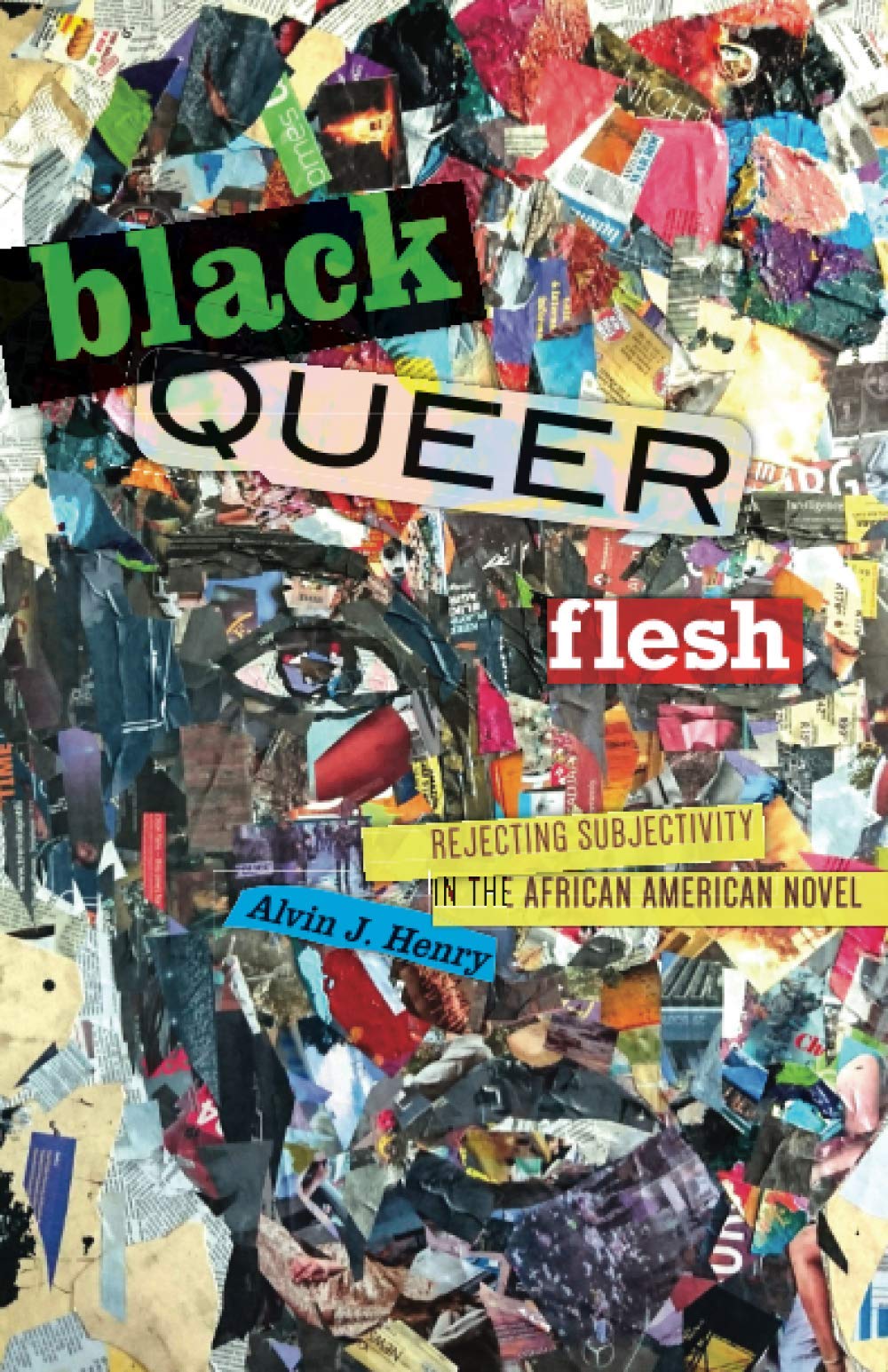
Black Queer Flesh: Rejecting Subjectivity in the African American Novel,Used
Sold by Ergodebooks, an authorized reseller.
Returns accepted within 30 days | support@ergodebooks.com
Shipping Information
- Free Standard Shipping — United States only
- Processing Time: 3–5 business days
- Estimated Delivery: 6–10 business days after dispatch
- Double-boxed, fully insured & discreetly packaged
- Tracking number sent via email once dispatched
Returns & Refund
Returns accepted within 30 days of delivery.
Damaged or Defective Item
Free return shipping + replacement or full refund
Wrong Item Received
Free return shipping + replacement or full refund
Change of Mind
Return shipping at customer's expense · 25% restocking fee applies
Payment Option

A groundbreaking examination of how twentiethcentury African American writers use queer characters to challenge and ultimately reject subjectivityBlack Queer Flesh reinterprets key African American novels from the Harlem Renaissance to Black Modernism to contemporary literature, showing how authors have imagined a new model of Black queer selfhood. African American authors blame liberal humanisms model of subjectivity for double consciousness and find that liberal humanisms celebration of individual autonomy and agency is a way of disciplining Black queer lives. These authors thus reject subjectivity in search of a new mode of the self that Alvin J. Henry names Black queer flesha model of selfhood that is collective, plural, fluctuating, and deeply connected to the Black queer past.Henry begins with early twentiethcentury authors such as Jessie Redmon Fauset and James Weldon Johnson. These authors adapted the Bildungsroman, the novel of selfformation, to show African Americans gaining freedom and agency by becoming a liberal, autonomous subjects. These authors, however, discovered that the promise of liberal autonomy held out by the Bildungsroman was yet another tool of antiblack racism. As a result, they tentatively experimented with repurposing the Bildungsroman to throw off subjectivity and its attendant double consciousness. In contrast, Nella Larsen, Henry shows, was the first author to fully reject subjectivity. In Quicksand and Passing, Larsen invented a new genre showing her queer characterscharacters whose queerness already positioned them on the margins of subjectivityescaping subjectivity altogether. Using Ralph Ellisons archival drafts, Henry then powerfully rereads Invisible Man, revealing that the protagonist as a queer, disabled character taught by the novels many other queer, disabled characters to likewise seek a selfhood beyond subjectivity. Although Larsen and Ellison sketch glimpses of this selfhood beyond subjectivity, only Saidiya Hartmans Wayward Lives, Beautiful Experiments shows a protagonist fully inhabiting Black queer flesha new mode of selfhood that is collective, plural, always evolving, and no longer alienated from the black past.Black Queer Flesh is an original and necessary contribution to Black literary studies, offering new ways to understand and appreciate the canonical texts and far more.
⚠️ WARNING (California Proposition 65):
This product may contain chemicals known to the State of California to cause cancer, birth defects, or other reproductive harm.
For more information, please visit www.P65Warnings.ca.gov.