
Title
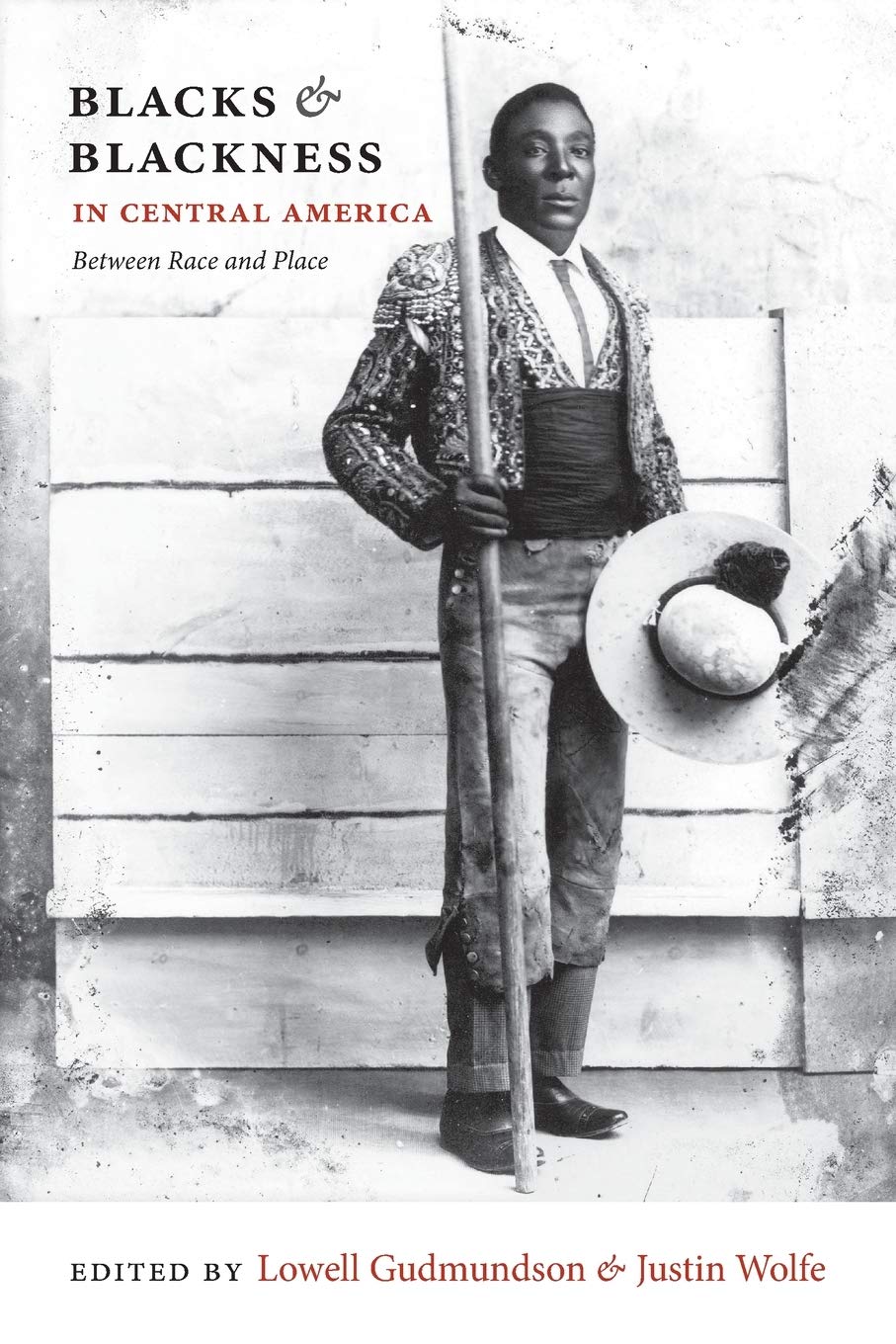
Blacks And Blackness In Central America: Between Race And Place,New
Sold by Ergodebooks, an authorized reseller.
Returns accepted within 30 days | support@ergodebooks.com
Shipping Information
- Free Standard Shipping — United States only
- Processing Time: 3–5 business days
- Estimated Delivery: 6–10 business days after dispatch
- Double-boxed, fully insured & discreetly packaged
- Tracking number sent via email once dispatched
Returns & Refund
Returns accepted within 30 days of delivery.
Damaged or Defective Item
Free return shipping + replacement or full refund
Wrong Item Received
Free return shipping + replacement or full refund
Change of Mind
Return shipping at customer's expense · 25% restocking fee applies
Payment Option

Many of the earliest Africans to arrive in the Americas came to Central America with Spanish colonists in the sixteenth and seventeenth centuries, and people of African descent constituted the majority of nonindigenous populations in the region long thereafter. Yet in the development of national identities and historical consciousness, Central American nations have often countenanced widespread practices of social, political, and regional exclusion of blacks. The postcolonial development of mestizo or mixedrace ideologies of national identity have systematically downplayed African ancestry and social and political involvement in favor of Spanish and Indian heritage and contributions. In addition, a powerful sense of place and belonging has led many peoples of African descent in Central America to identify themselves as something other than African American, reinforcing the tendency of local and foreign scholars to see Central America as peripheral to the African diaspora in the Americas. The essays in this collection begin to recover the forgotten and downplayed histories of blacks in Central America, demonstrating the centrality of African Americans to the regions history from the earliest colonial times to the present. They reveal how modern nationalist attempts to define mixedrace majorities as IndoHispanic, or as anything but African American, clash with the historical record of the first region of the Americas in which African Americans not only gained the right to vote but repeatedly held high office, including the presidency, following independence from Spain in 1821.Contributors. Rina Cceres Gmez, Lowell Gudmundson, Ronald Harpelle, Juliet Hooker, Catherine Komisaruk, Russell Lohse, Paul Lokken, Mauricio Melndez Obando, Karl H. Offen, Lara Putnam, Justin Wolfe
⚠️ WARNING (California Proposition 65):
This product may contain chemicals known to the State of California to cause cancer, birth defects, or other reproductive harm.
For more information, please visit www.P65Warnings.ca.gov.