
Title
Blockading the Border and Human Rights: The El Paso Operation that Remade Immigration Enforcement (InterAmerica Series),Used
Sold by Ergodebooks, an authorized reseller.
Returns accepted within 30 days | support@ergodebooks.com
Shipping Information
- Free Standard Shipping — United States only
- Processing Time: 3–5 business days
- Estimated Delivery: 6–10 business days after dispatch
- Double-boxed, fully insured & discreetly packaged
- Tracking number sent via email once dispatched
Returns & Refund
Returns accepted within 30 days of delivery.
Damaged or Defective Item
Free return shipping + replacement or full refund
Wrong Item Received
Free return shipping + replacement or full refund
Change of Mind
Return shipping at customer's expense · 25% restocking fee applies
Payment Option

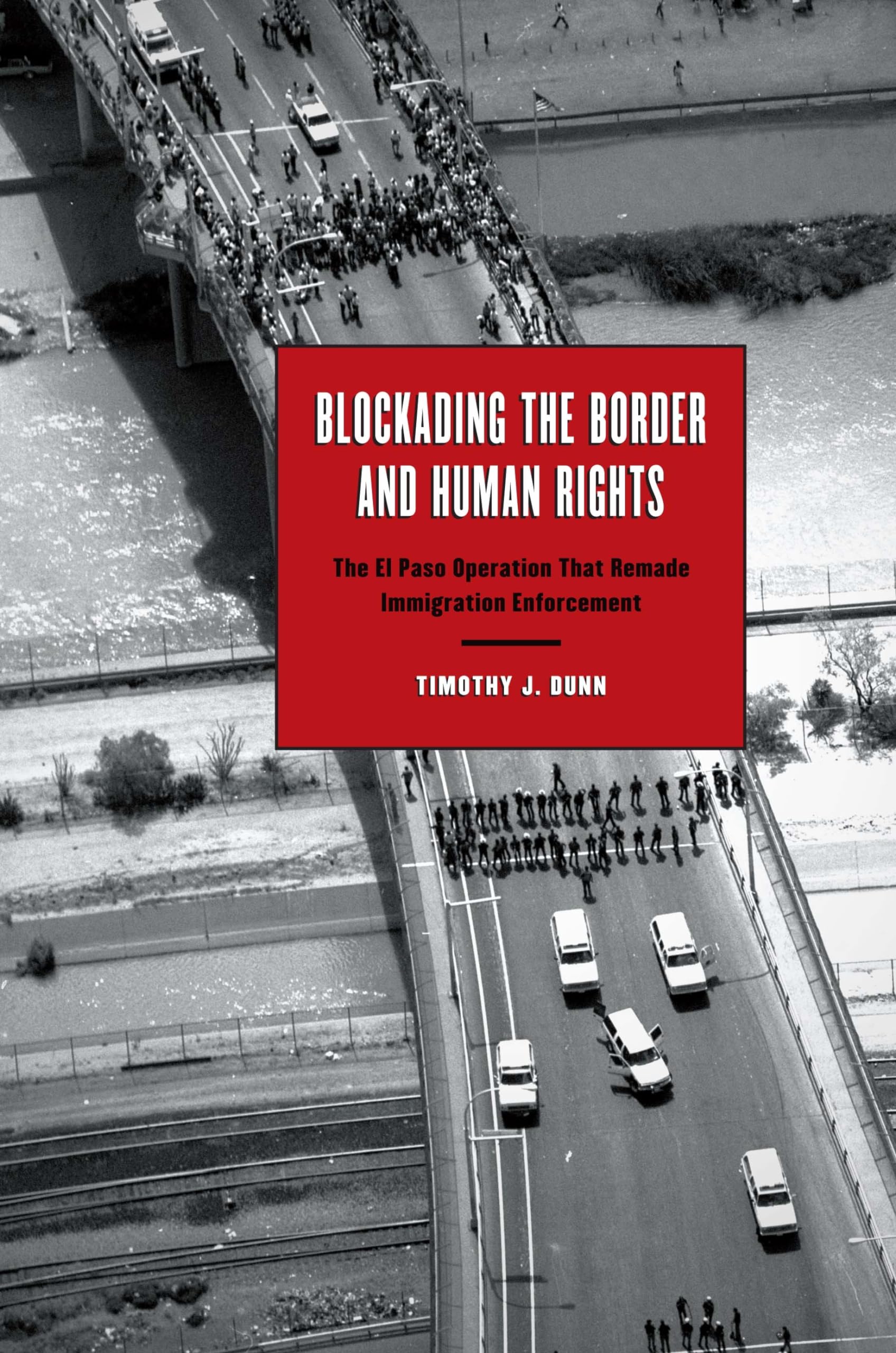
To understand border enforcement and the shape it has taken, it is imperative to examine a groundbreaking Border Patrol operation begun in 1993 in El Paso, Texas, "Operation Blockade." The El Paso Border Patrol designed and implemented this radical new strategy, posting 400 agents directly on the banks of the Rio Grande in highly visible positions to deter unauthorized border crossings into the urban areas of El Paso from neighboring Ciudad Jureza marked departure from the traditional strategy of apprehending unauthorized crossers after entry. This approach, of "prevention through deterrence," became the foundation of the 1994 and 2004 National Border Patrol Strategies for the Southern Border. Politically popular overall, it has rendered unauthorized border crossing far less visible in many key urban areas. However, the real effectiveness of the strategy is debatable, at best. Its implementation has also led to a sharp rise in the number of deaths of unauthorized border crossers.Here, Dunn examines the paradigmchanging Operation Blockade and related border enforcement efforts in the El Paso region in great detail, as well as the local social and political situation that spawned the approach and has shaped it since. Dunn particularly spotlights the human rights abuses and enforcement excesses inflicted on local Mexican Americans and Mexican immigrants as well as the challenges to those abuses. Throughout the book, Dunn filters his research and fieldwork through two competing lenses, human rights versus the rights of national sovereignty and citizenship.
⚠️ WARNING (California Proposition 65):
This product may contain chemicals known to the State of California to cause cancer, birth defects, or other reproductive harm.
For more information, please visit www.P65Warnings.ca.gov.