
Title
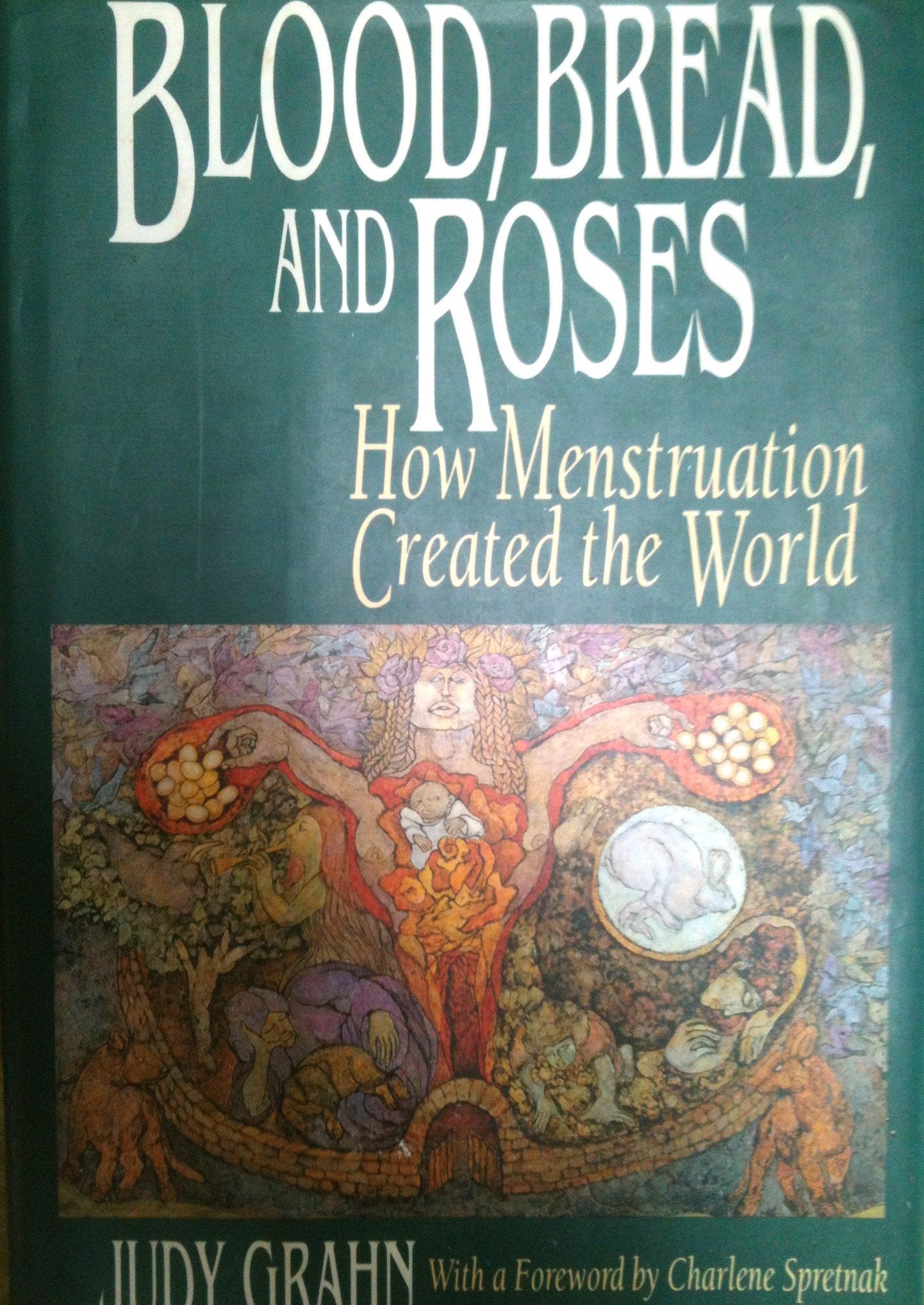
Blood, Bread, And Roses: How Menstruation Created The World,Used
Sold by Ergodebooks, an authorized reseller.
Returns accepted within 30 days | support@ergodebooks.com
Shipping Information
- Free Standard Shipping — United States only
- Processing Time: 3–5 business days
- Estimated Delivery: 6–10 business days after dispatch
- Double-boxed, fully insured & discreetly packaged
- Tracking number sent via email once dispatched
Returns & Refund
Returns accepted within 30 days of delivery.
Damaged or Defective Item
Free return shipping + replacement or full refund
Wrong Item Received
Free return shipping + replacement or full refund
Change of Mind
Return shipping at customer's expense · 25% restocking fee applies
Payment Option

The Feminist Author Of Another Mother Tongue Offers A Mythographic Study Of The Interconnections Among Ancient Menstrual Rites And The Development Of Agriculture, Mathematics, Writing, Calendars, And Other Realms Of Knowledge.
⚠️ WARNING (California Proposition 65):
This product may contain chemicals known to the State of California to cause cancer, birth defects, or other reproductive harm.
For more information, please visit www.P65Warnings.ca.gov.
- Q: How many pages does this book have? A: This book has three hundred eighty-four pages. It provides an in-depth exploration of menstrual rites and their historical significance.
- Q: What type of binding does this book have? A: This book is bound in hardcover. The durable binding enhances its longevity, making it suitable for repeated readings.
- Q: What are the dimensions of this book? A: The dimensions of this book are six point two six inches in length, one inch in width, and nine point zero two inches in height.
- Q: Who is the author of this book? A: The author of this book is Judy Grahn. She is a renowned feminist author known for her insightful studies on women’s history.
- Q: What is the main theme of this book? A: The main theme of this book is the connection between menstruation and the development of various aspects of civilization. It delves into historical contexts and cultural practices.
- Q: Is this book suitable for all readers? A: This book is recommended for adult readers due to its nuanced discussions of menstruation and historical contexts. It is not specifically targeted at children.
- Q: What insights does this book provide about menstruation? A: This book offers insights into how menstruation has influenced agricultural practices and the development of knowledge systems. It presents a unique perspective on historical narratives.
- Q: Can I gift this book? A: Yes, this book makes an excellent gift for individuals interested in feminist literature and historical studies. Its thought-provoking content is sure to inspire discussions.
- Q: What condition is this used book in? A: This is a used book in good condition. It may show minor signs of wear but is overall intact and readable.
- Q: Is there a specific audience for this book? A: This book is particularly suited for readers interested in feminist studies, history, and anthropology. It appeals to those seeking a deeper understanding of cultural practices.
- Q: What publisher released this book? A: This book was published by Beacon Press. The publisher is known for its commitment to social justice and diverse perspectives.
- Q: How does this book relate menstruation to agriculture? A: This book explores the historical links between menstrual rites and the agricultural revolution. It discusses how these practices shaped early societies.
- Q: Are there any illustrations in the book? A: The book is primarily text-based and does not include illustrations. Its focus is on scholarly discussion and analysis.
- Q: What genre does this book belong to? A: This book belongs to the genre of medical books. It combines elements of history, anthropology, and feminist theory.
- Q: How does the author approach the subject of menstruation? A: The author approaches the subject of menstruation through a mythographic lens, analyzing its cultural and historical implications across various societies.
- Q: Is this book part of a series? A: No, this book is a standalone work. It does not belong to a specific series but contributes significantly to feminist literature.