
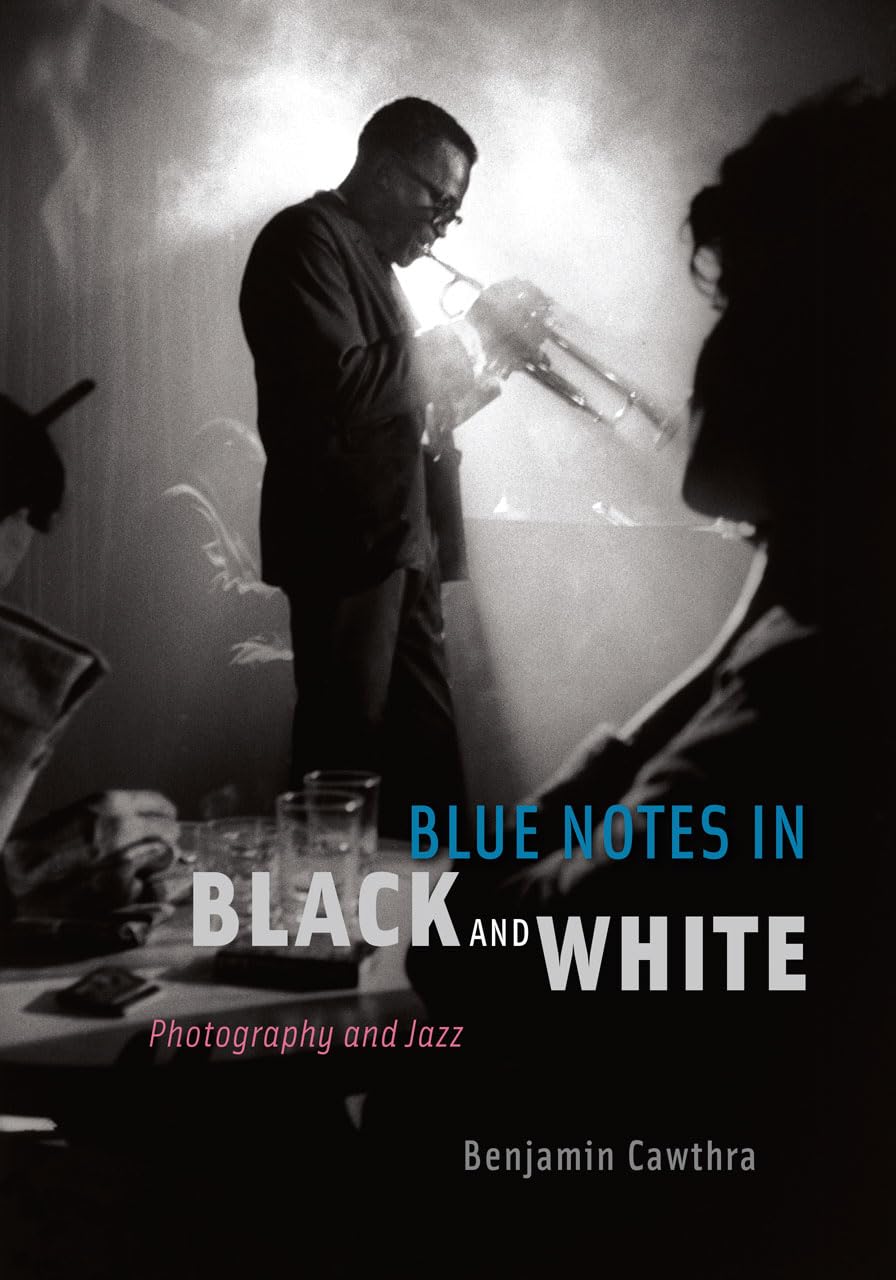
Title
Blue Notes In Black And White: Photography And Jazz,New
Sold by Ergodebooks, an authorized reseller.
Returns accepted within 30 days | support@ergodebooks.com
Shipping Information
- Free Standard Shipping — United States only
- Processing Time: 3–5 business days
- Estimated Delivery: 6–10 business days after dispatch
- Double-boxed, fully insured & discreetly packaged
- Tracking number sent via email once dispatched
Returns & Refund
Returns accepted within 30 days of delivery.
Damaged or Defective Item
Free return shipping + replacement or full refund
Wrong Item Received
Free return shipping + replacement or full refund
Change of Mind
Return shipping at customer's expense · 25% restocking fee applies
Payment Option

Miles Davis, Supremely Cool Behind His Shades. Billie Holiday, Eyes Closed And Head Tilted Back In Full Cry. John Coltrane, One Hand Behind His Neck And A Finger Held Pensively To His Lips. These Iconic Images Have Captivated Jazz Fans Nearly As Much As The Music Has. Jazz Photographs Are Visual Landmarks In American History, Acting As Both A Reflection And A Vital Part Of African American Culture In A Time Of Immense Upheaval, Conflict, And Celebration. Charting The Development Of Jazz Photography From The Swing Era Of The 1930S To The Rise Of Black Nationalism In The 60S, Blue Notes In Black And White Is The First Of Its Kind: A Fascinating Account Of The Partnership Between Two Of The Twentieth Centurys Most Innovative Art Forms.Benjamin Cawthra Introduces Us To The Great Jazz Photographersincluding Gjon Mili, William Gottlieb, Herman Leonard, Francis Wolff, Roy Decarava, And William Claxtonand Their Struggles, Hustles, Styles, And Creative Visions. We Also Meet Their Legendary Subjects, Such As Duke Ellington, Sweating Through A Latenight Jam Session For The Troops During World War Ii, And Dizzy Gillespie, Stylish In Beret, Glasses, And Goatee. Cawthra Shows Us The Connections Between The Photographers, Art Directors, Editors, And Record Producers Who Crafted A Look For Jazz That Would Sell Magazines And Albums. And On The Other Side Of The Lens, He Explores How The Musicians Shaped Their Public Images To Further Their Own Financial And Political Goals.This Mixture Of Art, Commerce, And Racial Politics Resulted In A Rich Visual Legacy That Is Vividly On Display In Blue Notes In Black And White. Beyond Illuminating The Aesthetic Power Of These Images, Cawthra Ultimately Shows How Jazz And Its Imagery Served A Crucial Function In The Struggle For Civil Rights, Making African Americans Proudly, Powerfully Visible.
⚠️ WARNING (California Proposition 65):
This product may contain chemicals known to the State of California to cause cancer, birth defects, or other reproductive harm.
For more information, please visit www.P65Warnings.ca.gov.