
Title
Blue Ridge Commons: Environmental Activism And Forest History In Western North Carolina (Environmental History And The American ,New
Sold by Ergodebooks, an authorized reseller.
Returns accepted within 30 days | support@ergodebooks.com
Shipping Information
- Free Standard Shipping — United States only
- Processing Time: 3–5 business days
- Estimated Delivery: 6–10 business days after dispatch
- Double-boxed, fully insured & discreetly packaged
- Tracking number sent via email once dispatched
Returns & Refund
Returns accepted within 30 days of delivery.
Damaged or Defective Item
Free return shipping + replacement or full refund
Wrong Item Received
Free return shipping + replacement or full refund
Change of Mind
Return shipping at customer's expense · 25% restocking fee applies
Payment Option

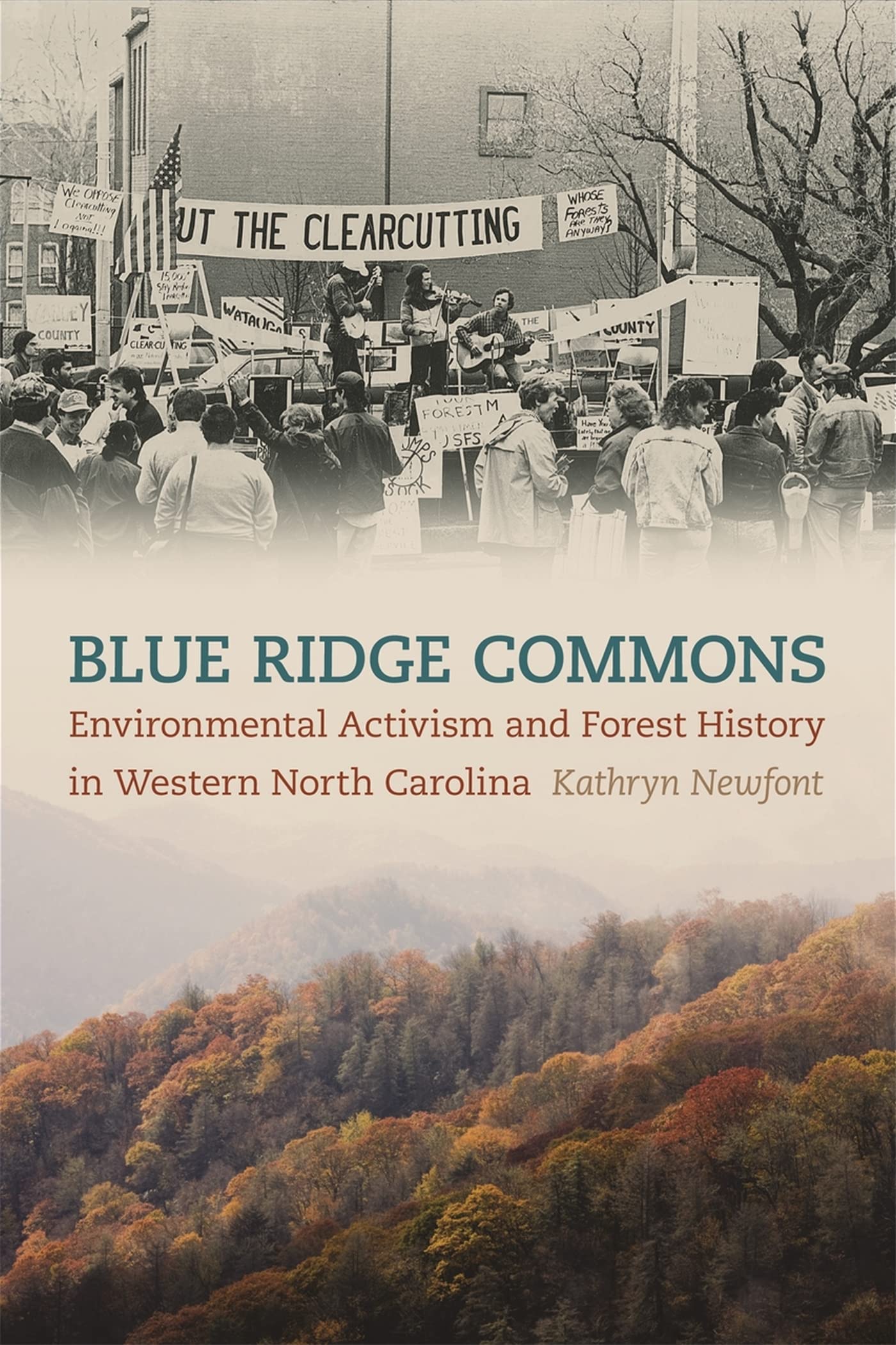
In the late twentieth century, residents of the Blue Ridge mountains in western North Carolina fiercely resisted certain environmental efforts, even while launching aggressive initiatives of their own. Kathryn Newfont examines the environmental history of this region over the course of three hundred years, identifying what she calls commons environmentalisma cultural strain of conservation in American history that has gone largely unexplored.Efforts in the 1970s to expand federal wilderness areas in the Pisgah and Nantahala national forests generated strong opposition. For many mountain residents the idea of unspoiled wilderness seemed economically unsound, historically dishonest, and elitist. Newfont shows that local peoples sense of commons environmentalism required access to the forests that they viewed as semipublic places for hunting, fishing, and working. Policies that removed large tracts from use were perceived as enclosure and resisted.These battles often pitted industrialists against environmentalists. Newfont argues that the side that most effectively hitched its cause to local residents commons culture usually won. A few perceptive activists realized that the same cultural ground that yielded wilderness opposition could also produce ambitious protection efforts, such as Blue Ridge residents opposition to petroleum exploration and clearcut timber harvesting.Incorporating deep archival work and years of interviews and conversations with Appalachian residents, Blue Ridge Commons reveals a tradition of people building robust forest protection movements on their own terms.
⚠️ WARNING (California Proposition 65):
This product may contain chemicals known to the State of California to cause cancer, birth defects, or other reproductive harm.
For more information, please visit www.P65Warnings.ca.gov.