
Title


Body Encyclopedia: A Guide To The Psychological Functions Of The Muscular System
Sold by Ergodebooks, an authorized reseller.
Returns accepted within 30 days | support@ergodebooks.com
Shipping Information
- Free Standard Shipping — United States only
- Processing Time: 3–5 business days
- Estimated Delivery: 6–10 business days after dispatch
- Double-boxed, fully insured & discreetly packaged
- Tracking number sent via email once dispatched
Returns & Refund
Returns accepted within 30 days of delivery.
Damaged or Defective Item
Free return shipping + replacement or full refund
Wrong Item Received
Free return shipping + replacement or full refund
Change of Mind
Return shipping at customer's expense · 25% restocking fee applies
Payment Option

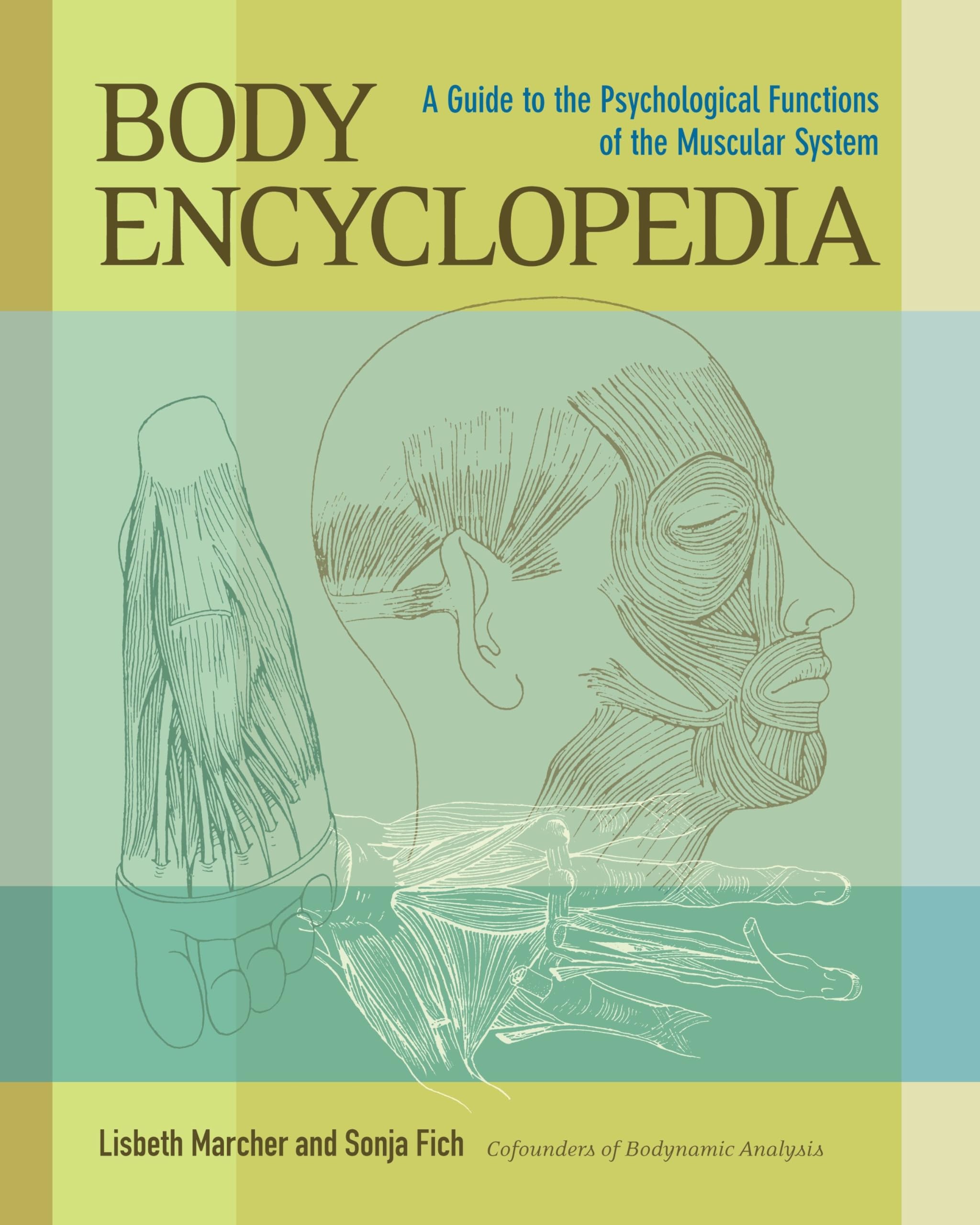
Based On Bodynamic Analysis, A Bodyoriented Psychology Developed In Denmark By The Authors And Their Colleagues, Body Encyclopedia Describes The Developmental Sequence In Which Psychological And Emotional Elements Are Linked To Specific Muscles. The Book Shows How Certain Responses To Events In Our Lives End Up Bound And Connected With Our Movement Patterns. Through Extensive Research, Marcher, Fich, And Several Others Have Mapped Out The Psychological Functions Of 154 Muscles And Related Tissues.Featuring More Than 200 Detailed Illustrations, Body Encyclopedia Opens With An Introduction To The History And Development Of Bodynamic Analysis. The Core Of The Book Presents A Description Of Each Muscle, Including Movement Positions, Age Level When The Muscle Is Activated, And A Summary Of The Psychological Themes Associated With Each Muscle. Basic Instructions Are Provided For Bodymapping, A Handson Procedure That Involves Palpating And Registering Muscle Response. Vivid Case Studies Demonstrate How To Apply The Information In Reallife Situations. Using The Book As A Guide, Readers Can Accurately Identify And Investigate The Underlying Psychological Issues Associated With Muscle Pain, Discomfort, Or Weakness In Specific Areas Of The Body.
⚠️ WARNING (California Proposition 65):
This product may contain chemicals known to the State of California to cause cancer, birth defects, or other reproductive harm.
For more information, please visit www.P65Warnings.ca.gov.
- Q: How many pages are in the Body Encyclopedia? A: The Body Encyclopedia contains five hundred sixty-eight pages. This extensive length allows for in-depth exploration of the psychological functions of muscles.
- Q: What are the dimensions of the Body Encyclopedia? A: The book measures eight inches in length, one point thirty-one inches in width, and ten inches in height. These dimensions make it a substantial reference volume.
- Q: What type of binding does the Body Encyclopedia have? A: The Body Encyclopedia is available in paperback binding. This makes it lightweight and easy to handle for readers.
- Q: How do I use the Body Encyclopedia for body mapping? A: To use the Body Encyclopedia for body mapping, follow instructions on palpating and registering muscle responses. This hands-on procedure connects physical sensations to psychological themes.
- Q: Is the Body Encyclopedia suitable for all ages? A: While the book does not specify an age restriction, it is written for adults and those with an interest in psychology. It may be complex for younger readers.
- Q: What are the key themes covered in the Body Encyclopedia? A: The Body Encyclopedia covers themes linking psychological and emotional elements to muscles. It explores how life events affect movement patterns.
- Q: How should I store the Body Encyclopedia? A: Store the Body Encyclopedia in a cool, dry place. Keeping it away from direct sunlight will help preserve the quality of the pages.
- Q: Can the Body Encyclopedia help with muscle pain? A: Yes, the Body Encyclopedia can help readers identify underlying psychological issues related to muscle pain. It provides insights into the connection between mind and body.
- Q: What if the Body Encyclopedia arrives damaged? A: If the Body Encyclopedia arrives damaged, you should contact the seller for return or exchange options. Most retailers have policies to address such issues.
- Q: Is the Body Encyclopedia a good resource for therapists? A: Yes, the Body Encyclopedia is an excellent resource for therapists. It offers detailed insights into the psychological functions of muscles, enhancing therapeutic practices.
- Q: What illustrations are included in the Body Encyclopedia? A: The Body Encyclopedia features more than two hundred detailed illustrations. These visuals complement the text and enhance understanding of muscle functions.
- Q: Are there case studies in the Body Encyclopedia? A: Yes, the Body Encyclopedia includes vivid case studies. These examples demonstrate how to apply the information in real-life situations.
- Q: Who are the authors of the Body Encyclopedia? A: The Body Encyclopedia is authored by Lisbeth Marcher and her colleagues. Their expertise in Bodynamic Analysis informs the book's content.
- Q: What is Bodynamic Analysis? A: Bodynamic Analysis is a body-oriented psychology developed in Denmark. It explores the link between psychological and emotional elements and muscle function.
- Q: Does the Body Encyclopedia discuss age-related muscle activation? A: Yes, the Body Encyclopedia describes the age level when each muscle is activated. This information is crucial for understanding developmental stages.