If you have any questions, you are always welcome to contact us. We'll get back to you as soon as possible, withing 24 hours on weekdays.
Customer service
All questions about your order, return and delivery must be sent to our customer service team by e-mail at yourstore@yourdomain.com
Sale & Press
If you are interested in selling our products, need more information about our brand or wish to make a collaboration, please contact us at press@yourdomain.com
Help
If you have any questions, you are always welcome to contact us. We'll get back to you as soon as possible, withing 24 hours on weekdays.
Customer service
All questions about your order, return and delivery must be sent to our customer service team by e-mail at yourstore@yourdomain.com
Sale & Press
If you are interested in selling our products, need more information about our brand or wish to make a collaboration, please contact us at press@yourdomain.com
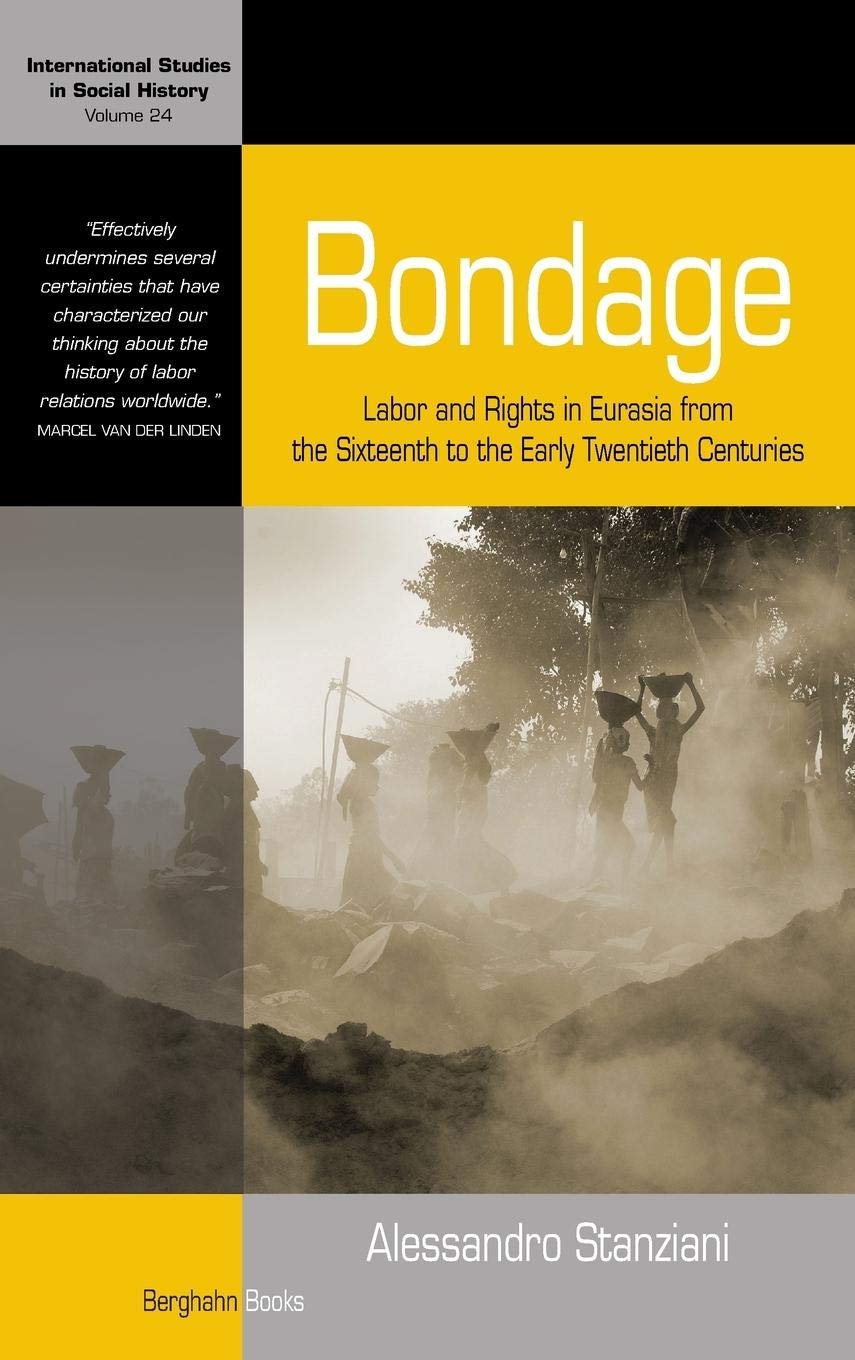
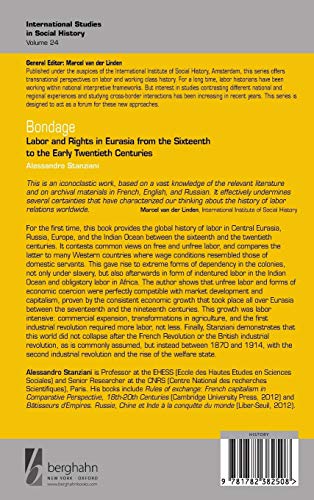
For the first time, this book provides the global history of labor in Central Eurasia, Russia, Europe, and the Indian Ocean between the sixteenth and the twentieth centuries. It contests common views on free and unfree labor, and compares the latter to many Western countries where wage conditions resembled those of domestic servants. This gave rise to extreme forms of dependency in the colonies, not only under slavery, but also afterwards in form of indentured labor in the Indian Ocean and obligatory labor in Africa. Stanziani shows that unfree labor and forms of economic coercion were perfectly compatible with market development and capitalism, proven by the consistent economic growth that took place all over Eurasia between the seventeenth and the nineteenth centuries. This growth was labor intensive: commercial expansion, transformations in agriculture, and the first industrial revolution required more labor, not less. Finally, Stanziani demonstrates that this world did not collapse after the French Revolution or the British industrial revolution, as is commonly assumed, but instead between 1870 and 1914, with the second industrial revolution and the rise of the welfare state.
⚠️ WARNING (California Proposition 65):
This product may contain chemicals known to the State of California to cause cancer,
birth defects, or other reproductive harm.
For MAP (Minimum Advertised Price) violations and Intellectual Property (IP) or Trademark concerns, please contact:
support@ergodebooks.com
⚠️ California Proposition 65 Warning: Some products sold on this website may expose you to chemicals known to the State of California to cause cancer, birth defects, or other reproductive harm. For more information, visit www.P65Warnings.ca.gov.