
Title

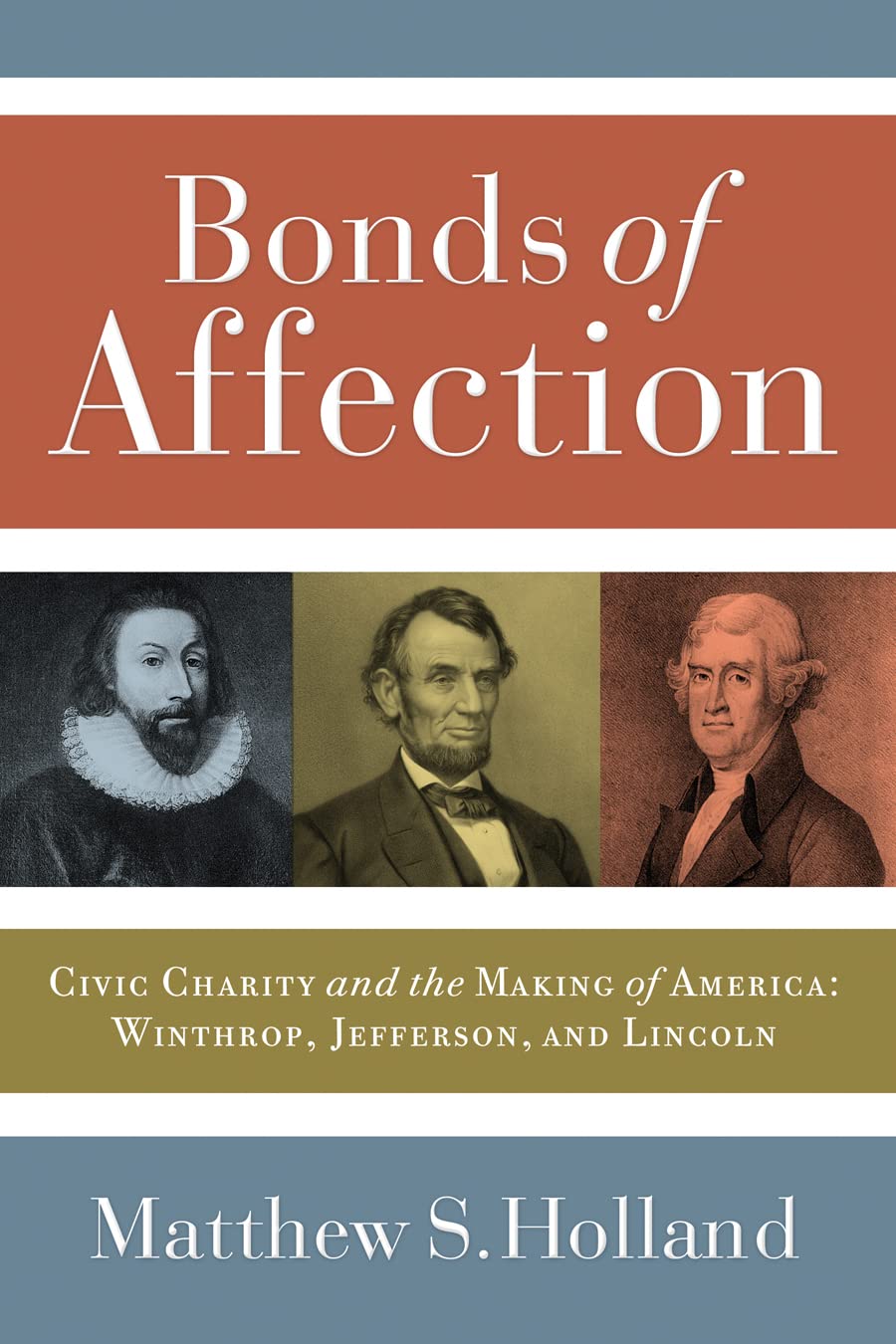
Bonds Of Affection: Civic Charity And The Making Of Americawinthrop, Jefferson, And Lincoln (Religion And Politics)
Sold by Ergodebooks, an authorized reseller.
Returns accepted within 30 days | support@ergodebooks.com
Shipping Information
- Free Standard Shipping — United States only
- Processing Time: 3–5 business days
- Estimated Delivery: 6–10 business days after dispatch
- Double-boxed, fully insured & discreetly packaged
- Tracking number sent via email once dispatched
Returns & Refund
Returns accepted within 30 days of delivery.
Damaged or Defective Item
Free return shipping + replacement or full refund
Wrong Item Received
Free return shipping + replacement or full refund
Change of Mind
Return shipping at customer's expense · 25% restocking fee applies
Payment Option

Notions Of Christian Love, Or Charity, Strongly Shaped The Political Thought Of John Winthrop, Thomas Jefferson, And Abraham Lincoln As Each Presided Over A Foundational Moment In The Development Of American Democracy. Matthew Holland Examines How Each Figure Interpreted And Appropriated Charity, Revealing Both The Problems And Possibilities Of Making It A Political Ideal.Holland First Looks At Early American Literature And Seminal Speeches By Winthrop To Show How The Puritan Theology Of This Famed 17Th Century Governor Of The Massachusetts Colony (He Who First Envisioned America As A City Upon A Hill) Galvanized An Impressive Sense Of Selfrule And A Community Of Care In The Early Republic, Even As Its Harsher Aspects Made Something Like Jefferson'S Enlightenment Faith In Liberal Democracy A Welcome Development . Holland Then Shows That Between Jefferson'S Early Rough Draft Of The Declaration Of Independence And His First Inaugural Jefferson Came To See Some Notion Of Charity As A Necessary Complement To Modern Political Liberty.However, Holland Argues, It Was Lincoln And His Ingenious Blend Of Puritan And Democratic Insights Who Best Fulfilled The Promise Of This Nation'S Bonds Of Affection. With His Recognition Of The Imperfections Of Both North And South, His Humility In The Face Of God'S Judgment On The Civil War, And His Insistence On Charity For All, Including The Defeated Confederacy, Lincoln Personified The Possibilities Of Religious Love Turned Civic Virtue.Weaving A Rich Tapestry Of Insights From Political Science And Literature And American Religious History And Political Theory, Bonds Of Affection Is A Major Contribution To The Study Of American Political Identity. Matthew Holland Makes Plain That Civic Charity, While Commonly Rejected As Irrelevant Or Even Harmful To Political Engagement, Has Been Integral To Our National Character.The Book Includes The Full Texts Of Winthrop'S Speech A Model Of Christian Charity; Jefferson'S Rough Draft Of The Declaration And His First Inaugural; And Lincoln'S Second Inaugural.
⚠️ WARNING (California Proposition 65):
This product may contain chemicals known to the State of California to cause cancer, birth defects, or other reproductive harm.
For more information, please visit www.P65Warnings.ca.gov.
- Q: How many pages are in this book? A: This book contains three hundred thirty-six pages. It offers a comprehensive exploration of civic charity in American political thought.
- Q: What is the binding type of this book? A: This book is paperback bound. This makes it lightweight and easier to handle compared to hardcover editions.
- Q: What is the size of the book? A: The dimensions of the book are six point zero four inches in length, zero point seven five inches in width, and eight point nine inches in height.
- Q: Who is the author of this book? A: The author of this book is Matthew S. Holland. He explores the influence of Christian charity on American political figures.
- Q: What category does this book belong to? A: This book falls under the category of United States history and political theory. It specifically examines the interplay of religion and politics.
- Q: What themes are covered in this book? A: The book covers themes of civic charity, political thought, and the interpretation of Christian love by key historical figures in America.
- Q: How should I read this book? A: You can read this book at your own pace. It's suitable for anyone interested in American history, politics, and religious influences.
- Q: Is this book suitable for academic study? A: Yes, this book is suitable for academic study. It provides rich insights and references for students and scholars in political science and history.
- Q: What audience is this book intended for? A: This book is intended for readers interested in American democracy, religious influence, and political philosophy. It's suitable for both general readers and academics.
- Q: How should I care for this paperback book? A: To care for this book, store it in a cool, dry place and handle it gently. Avoid exposing it to direct sunlight to prevent fading.
- Q: Is this book safe for young readers? A: Yes, this book is generally safe for young readers interested in American history. However, parental guidance may be recommended due to complex themes.
- Q: Can I return this book if I don't like it? A: Yes, you can return this book if it doesn't meet your expectations. Check the retailer's return policy for specific details on returns.
- Q: What if the book arrives damaged? A: If the book arrives damaged, contact the retailer immediately to arrange for a replacement or return. Keep the packaging for reference.
- Q: How can I benefit from reading this book? A: Reading this book will deepen your understanding of the role of charity in American political thought and the contributions of historical figures.
- Q: Are there any notable speeches included in this book? A: Yes, the book includes full texts of significant speeches by Winthrop, Jefferson, and Lincoln. These add depth to the discussions on civic charity.