
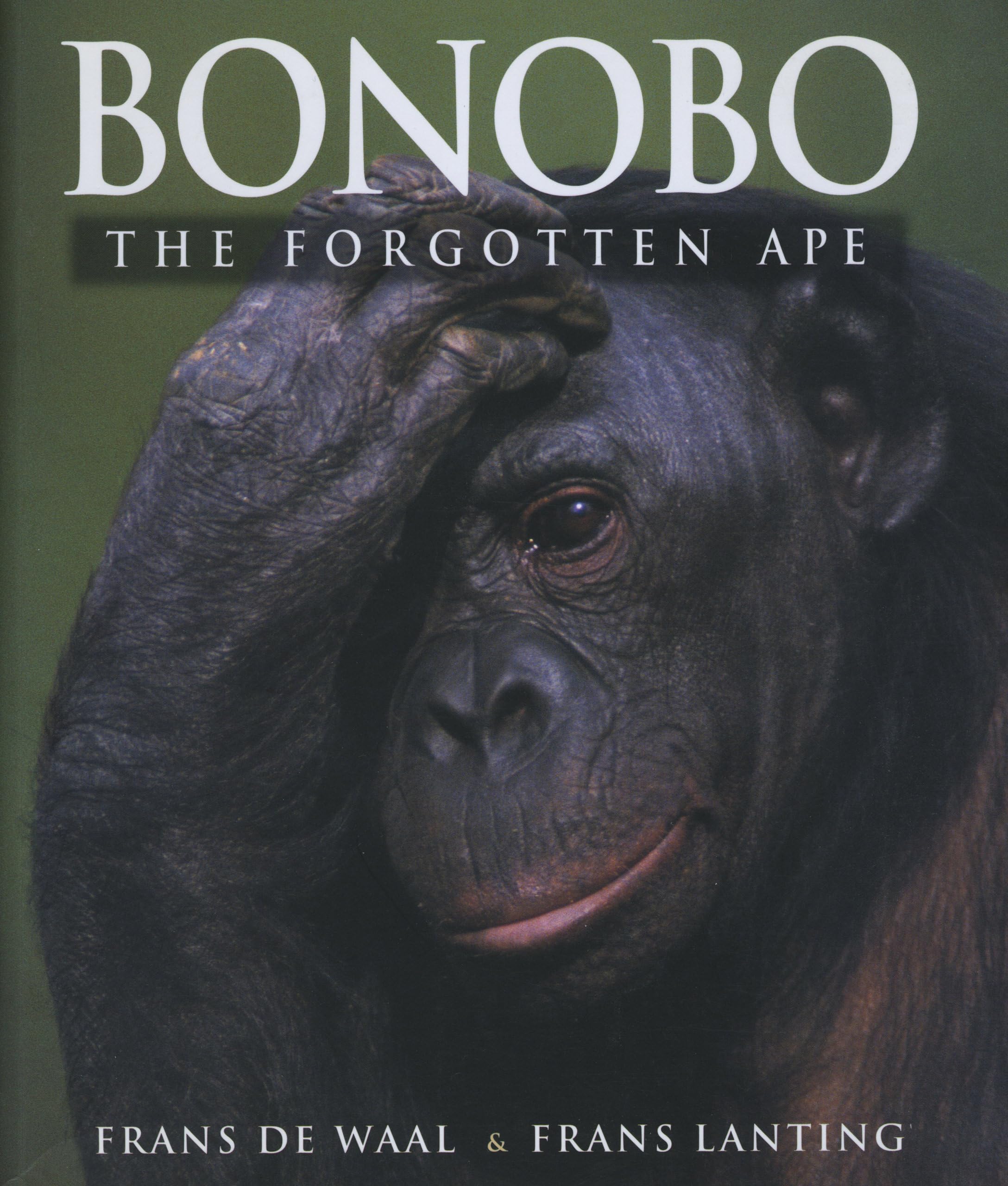
Title
Bonobo: The Forgotten Ape
Sold by Ergodebooks, an authorized reseller.
Returns accepted within 30 days | support@ergodebooks.com
Shipping Information
- Free Standard Shipping — United States only
- Processing Time: 3–5 business days
- Estimated Delivery: 6–10 business days after dispatch
- Double-boxed, fully insured & discreetly packaged
- Tracking number sent via email once dispatched
Returns & Refund
Returns accepted within 30 days of delivery.
Damaged or Defective Item
Free return shipping + replacement or full refund
Wrong Item Received
Free return shipping + replacement or full refund
Change of Mind
Return shipping at customer's expense · 25% restocking fee applies
Payment Option

This Remarkable Primate With The Curious Name Is Challenging Established Views On Human Evolution. The Bonobo, Least Known Of The Great Apes, Is A Femalecentered, Egalitarian Species That Has Been Dubbed The Makelovenotwar Primate By Specialists. In Bonobo Society, Females Form Alliances To Intimidate Males, Sexual Behavior (In Virtually Every Partner Combination) Replaces Aggression And Serves Many Social Functions, And Unrelated Groups Mingle Instead Of Fighting. The Species'S Most Striking Achievement Is Not Tool Use Or Warfare But Sensitivity To Others.In The First Book To Combine And Compare Data From Captivity And The Field, Frans De Waal, A Worldrenowned Primatologist, And Frans Lanting, An Internationally Acclaimed Wildlife Photographer, Present The Most Uptodate Perspective Available On The Bonobo. Focusing On Social Organization, De Waal Compares The Bonobo With Its Betterknown Relative, The Chimpanzee. The Bonobo'S Relatively Nonviolent Behavior And The Tendency For Females To Dominate Males Confront The Evolutionary Models Derived From Observing The Chimpanzee'S Male Power Politics, Cooperative Hunting, And Intergroup Warfare. Further, The Bonobo'S Frequent, Imaginative Sexual Contacts, Along With Its Low Reproduction Rate, Belie Any Notion That The Sole Natural Purpose Of Sex Is Procreation. Humans Share Over 98 Percent Of Their Genetic Material With The Bonobo And The Chimpanzee. Is It Possible That The Peaceable Bonobo Has Retained Traits Of Our Common Ancestor That We Find Hard To Recognize In Ourselves?Eight Superb Fullcolor Photo Essays Offer A Rare View Of The Bonobo In Its Native Habitat In The Rain Forests Of Zaire As Well As In Zoos And Research Facilities. Additional Photographs And Highlighted Interviews With Leading Bonobo Experts Complement The Text. This Book Points The Way To Viable Alternatives To Malebased Models Of Human Evolution And Will Add Considerably To Debates On The Origin Of Our Species. Anyone Interested In Primates, Gender Issues, Evolutionary Psychology, And Exceptional Wildlife Photography Will Find A Fascinating Companion In Bonobo: The Forgotten Ape.
⚠️ WARNING (California Proposition 65):
This product may contain chemicals known to the State of California to cause cancer, birth defects, or other reproductive harm.
For more information, please visit www.P65Warnings.ca.gov.
- Q: What is the page count of 'Bonobo: The Forgotten Ape'? A: This book has two hundred pages. It provides a comprehensive exploration of the bonobo's behavior and social structure.
- Q: What type of binding does this book have? A: The book is available in paperback binding. This makes it lightweight and easy to handle for reading.
- Q: Who are the authors of this book? A: The authors are Frans de Waal and Frans Lanting. De Waal is a renowned primatologist, and Lanting is an acclaimed wildlife photographer.
- Q: What is the genre of 'Bonobo: The Forgotten Ape'? A: This book falls under the category of non-fiction. It focuses on primatology and evolutionary psychology, providing insights into bonobo behavior.
- Q: What are the dimensions of the book? A: The book measures eight and a half inches in length, eight tenths of an inch in width, and ten inches in height. These dimensions make it a standard-sized paperback.
- Q: Is this book suitable for all ages? A: Yes, it is suitable for a general audience. However, it is recommended for readers interested in evolutionary biology and primate studies.
- Q: Can I read this book if I am new to primatology? A: Yes, beginners can easily understand this book. It presents complex ideas in an engaging and accessible way.
- Q: Does this book contain photographs? A: Yes, it includes eight superb full-color photo essays. These photographs provide a rare view of bonobos in their natural habitat.
- Q: How should I store this book to keep it in good condition? A: Store the book in a cool, dry place away from direct sunlight. This prevents fading and damage to the pages and cover.
- Q: Is there a specific way to clean this book? A: Yes, to clean the book, gently wipe the cover with a soft, dry cloth. Avoid using water or cleaning products that may damage the cover.
- Q: What if the book arrives damaged? A: You can return the book for a full refund or exchange if it arrives damaged. Check the retailer's return policy for specific instructions.
- Q: Can I find comparisons between bonobos and chimpanzees in this book? A: Yes, the book compares bonobo behavior with that of chimpanzees. It highlights differences in social organization and aggression.
- Q: Is this book a good choice for someone studying gender issues? A: Yes, this book explores female-centered social structures in bonobos, making it relevant for those interested in gender studies.
- Q: Does the book offer insights into human evolution? A: Yes, it challenges traditional views on human evolution by examining the bonobo's behavior as a model for understanding our ancestry.
- Q: Is there a specific audience this book targets? A: The book targets readers interested in primatology, evolutionary psychology, and wildlife photography. It appeals to both professionals and enthusiasts.
- Q: Are there any expert interviews included in the book? A: Yes, the book features highlighted interviews with leading bonobo experts. These insights complement the main text and enhance understanding.