If you have any questions, you are always welcome to contact us. We'll get back to you as soon as possible, withing 24 hours on weekdays.
Customer service
All questions about your order, return and delivery must be sent to our customer service team by e-mail at yourstore@yourdomain.com
Sale & Press
If you are interested in selling our products, need more information about our brand or wish to make a collaboration, please contact us at press@yourdomain.com
Help
If you have any questions, you are always welcome to contact us. We'll get back to you as soon as possible, withing 24 hours on weekdays.
Customer service
All questions about your order, return and delivery must be sent to our customer service team by e-mail at yourstore@yourdomain.com
Sale & Press
If you are interested in selling our products, need more information about our brand or wish to make a collaboration, please contact us at press@yourdomain.com
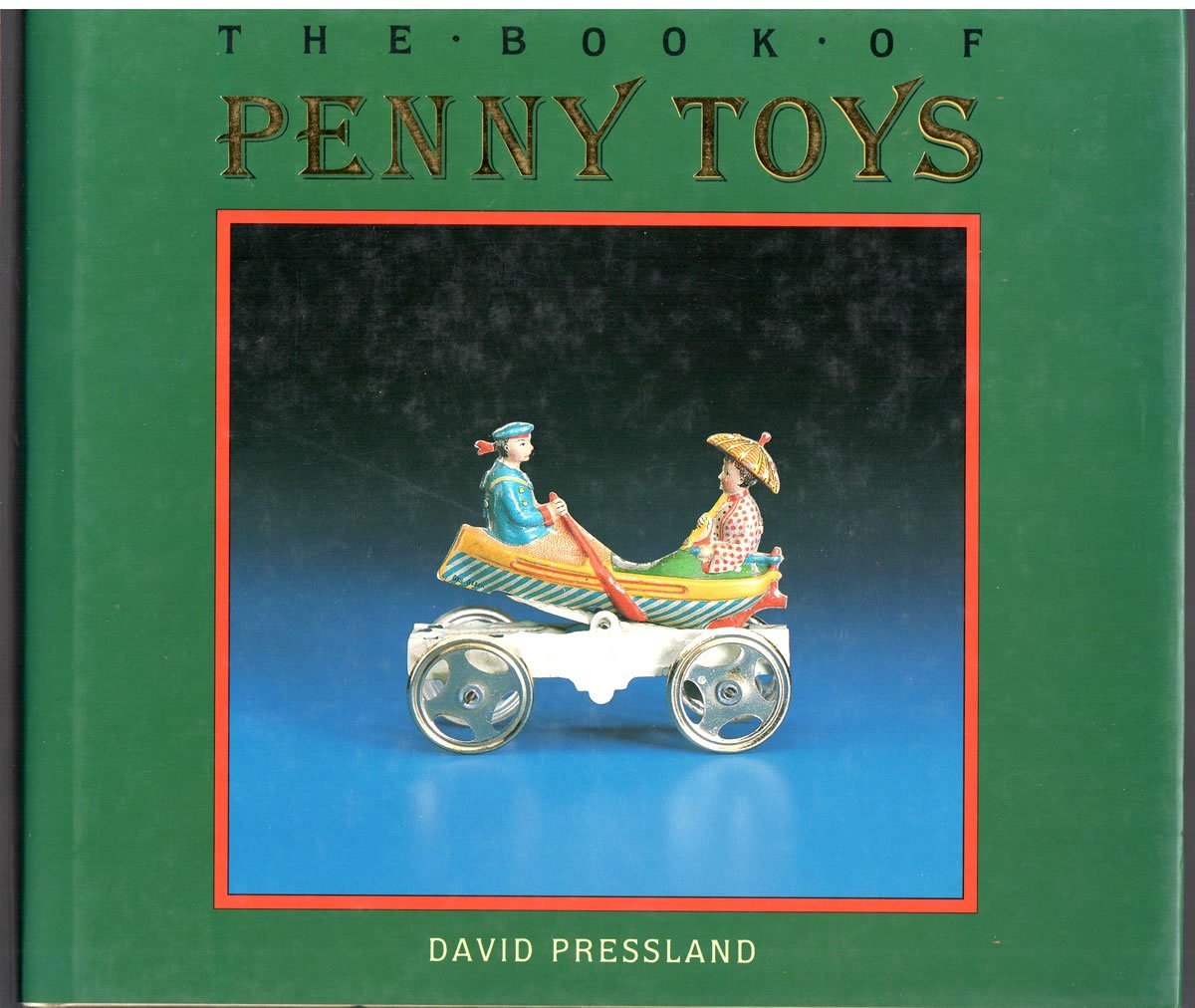
Penny Toys were literally that small toys sold at a retail price of one penny, principally in the years between 1895 and 1914. Usually they measured no more than 10cm overall (and often much less) and were made of a variety of materials, including paper, plaster, wood, diecast lead alloy and tinplate. The vast majority of tinplate penny toys were made in and around Nuremberg and were widely exported. Some were made for particular markets, so that we may find London omnibuses and ambulances, French postal delivery vans, and American locomotives. While several of the larger manufacturers such as Distler made Penny Toys, the most important single manufacturer was J P Meier of Nuremberg. Penny Toys were widely sold in shops and arcades, and also by street vendors. Wholesalers sold penny toys in gross lots for eight shillings per lot, or 96 old pence. Thus street traders were able to make a 50 per cent profit by selling the toys for a penny each.
⚠️ WARNING (California Proposition 65):
This product may contain chemicals known to the State of California to cause cancer,
birth defects, or other reproductive harm.
For MAP (Minimum Advertised Price) violations and Intellectual Property (IP) or Trademark concerns, please contact:
support@ergodebooks.com
⚠️ California Proposition 65 Warning: Some products sold on this website may expose you to chemicals known to the State of California to cause cancer, birth defects, or other reproductive harm. For more information, visit www.P65Warnings.ca.gov.