
Title
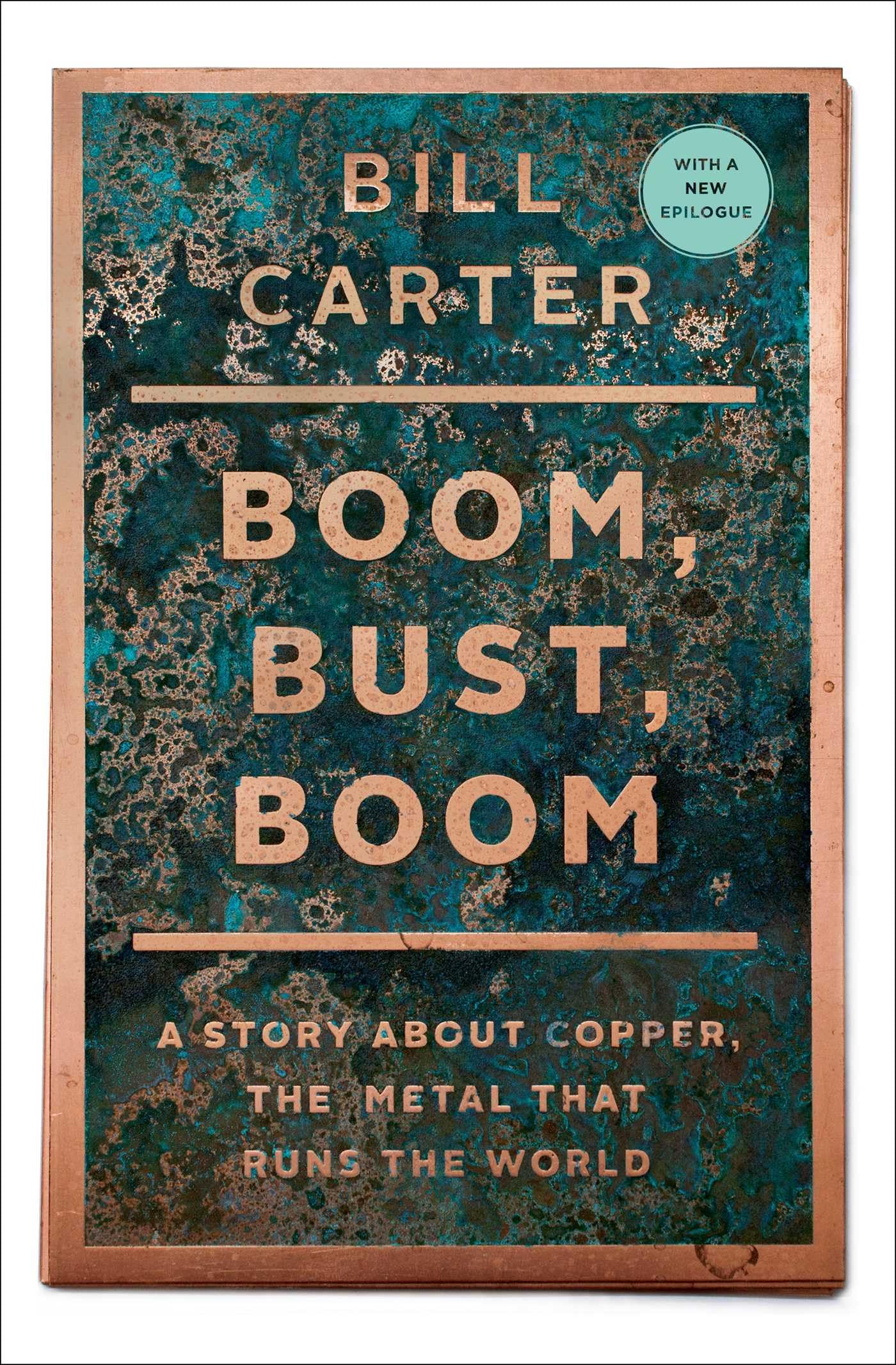
Boom, Bust, Boom: A Story About Copper, The Metal That Runs The World
Sold by Ergodebooks, an authorized reseller.
Returns accepted within 30 days | support@ergodebooks.com
Shipping Information
- Free Standard Shipping — United States only
- Processing Time: 3–5 business days
- Estimated Delivery: 6–10 business days after dispatch
- Double-boxed, fully insured & discreetly packaged
- Tracking number sent via email once dispatched
Returns & Refund
Returns accepted within 30 days of delivery.
Damaged or Defective Item
Free return shipping + replacement or full refund
Wrong Item Received
Free return shipping + replacement or full refund
Change of Mind
Return shipping at customer's expense · 25% restocking fee applies
Payment Option

This Informative And Thoughtprovoking Account Of Civilizations Complete Dependence On Copper, And What Extracting It From The Earth Really Means For People, Nature, And The Global Economy Is The Best Sort Of Journalism: Beautifully Written, Rich In Detail, And Impossible To Ignore (Sebastian Junger).Copper Is A Miraculous And Contradictory Metal, Essential To Nearly Every Human Enterprise. For Most Of Recorded History, This Remarkably Pliable And Sturdy Substance Has Proven Invaluable: Not Only Did The Ancient Romans Build Their Empire On Mining Copper But Christopher Columbus Protected His Ships From Rot By Lining Their Hulls With It. Today, This Metal Can Be Found In Every House, Car, Airplane, Cell Phone, Computer, And Home Appliance Around The World, Including In All The New, Socalled Green Technologies.Yet The History Of Copper Extraction And Our Present Relationship With The Metal Are Fraught With Profound Difficulties. Copper Mining Causes Irrevocable Damage To The Earth, Releasing Arsenic, Cyanide, Sulfuric Acid, And Other Deadly Pollutants Into The Air And Water. And The Mines Themselves Have Significant Effects On The Economies And Wellbeing Of The Communities Where They Are Located.Now, Carter Delivers A Blazing And Factrich Narrative That Helps Us Understand The Paradoxical Relationship We Have With A Substance Whose Necessity To Civilization Costs The Environment And The People Who Mine It Dearly. Starting In His Own Backyard In The Old Mining Town Of Bisbee, Arizonawhere He Discovers That The Dirt In His Garden Contains Double The Acceptable Level Of Arseniche Follows The Story Of Copper To The Controversial Grasberg Copper Mine In Indonesia; To The Ring At The London Metal Exchange, Where A Select Group Of Traders Buy And Sell Enormous Amounts Of The Metal; And To An Alaskan Salmon Run Threatened By Mining. Part Social History, Part Miningtown Exploration, And Part Environmental Investigation, This Is A Work Of Firstrate Journalism That Fascinates On Every Level.
⚠️ WARNING (California Proposition 65):
This product may contain chemicals known to the State of California to cause cancer, birth defects, or other reproductive harm.
For more information, please visit www.P65Warnings.ca.gov.
- Q: What is the page count of the book? A: The book has three hundred four pages. This provides an in-depth exploration of copper's history and its impact on civilization.
- Q: What are the dimensions of the book? A: The book measures five point five one inches in length, zero point nine one inches in width, and eight point three nine inches in height. These dimensions make it a suitable size for easy handling.
- Q: What is the binding type of the book? A: The book is available in paperback binding. This type of binding is flexible and lightweight, making it easy to carry and read.
- Q: Who is the author of 'Boom, Bust, Boom'? A: The author is Bill Carter. He offers unique insights into the complexities surrounding copper mining and its consequences.
- Q: What genre does this book belong to? A: The book falls under the genre of Environmental Economics. It combines elements of social history, mining exploration, and environmental investigation.
- Q: How can I apply the insights from this book? A: Readers can apply the insights by understanding the economic and environmental implications of copper mining. This knowledge can inform personal and societal decisions regarding resource use.
- Q: Is this book suitable for young readers? A: No, this book is not specifically targeted at young readers. It deals with complex themes relevant to environmental economics and social issues.
- Q: What themes are explored in the book? A: The book explores themes of environmental degradation, economic dependency on copper, and the social implications of mining. These themes encourage critical thinking about resource management.
- Q: How should I care for this paperback book? A: To keep the book in good condition, store it in a cool, dry place away from direct sunlight. Avoid bending the cover and handle pages gently.
- Q: Can I clean the book if it gets dirty? A: Yes, you can clean the book by gently wiping the cover with a soft, dry cloth. Avoid using water or cleaning solutions that could damage the pages.
- Q: What if the book arrives damaged? A: If the book arrives damaged, you should contact the seller for a return or replacement. Most sellers have a return policy in place for damaged items.
- Q: Is there a warranty for this book? A: No, books typically do not come with a warranty. However, check the return policy of the seller for options if you're unsatisfied.
- Q: How does this book compare to other environmental economics books? A: This book offers a unique narrative focused on copper's role in civilization, setting it apart from other titles that may cover broader economic theories or different resources.
- Q: Who would benefit from reading this book? A: Students, environmentalists, and anyone interested in economics or mining will benefit from reading this book. It provides valuable insights into the complexities of resource extraction.
- Q: What is the main message of 'Boom, Bust, Boom'? A: The main message is to highlight the paradox of our dependence on copper and the environmental and social costs associated with its extraction. It challenges readers to think critically about our resource choices.