
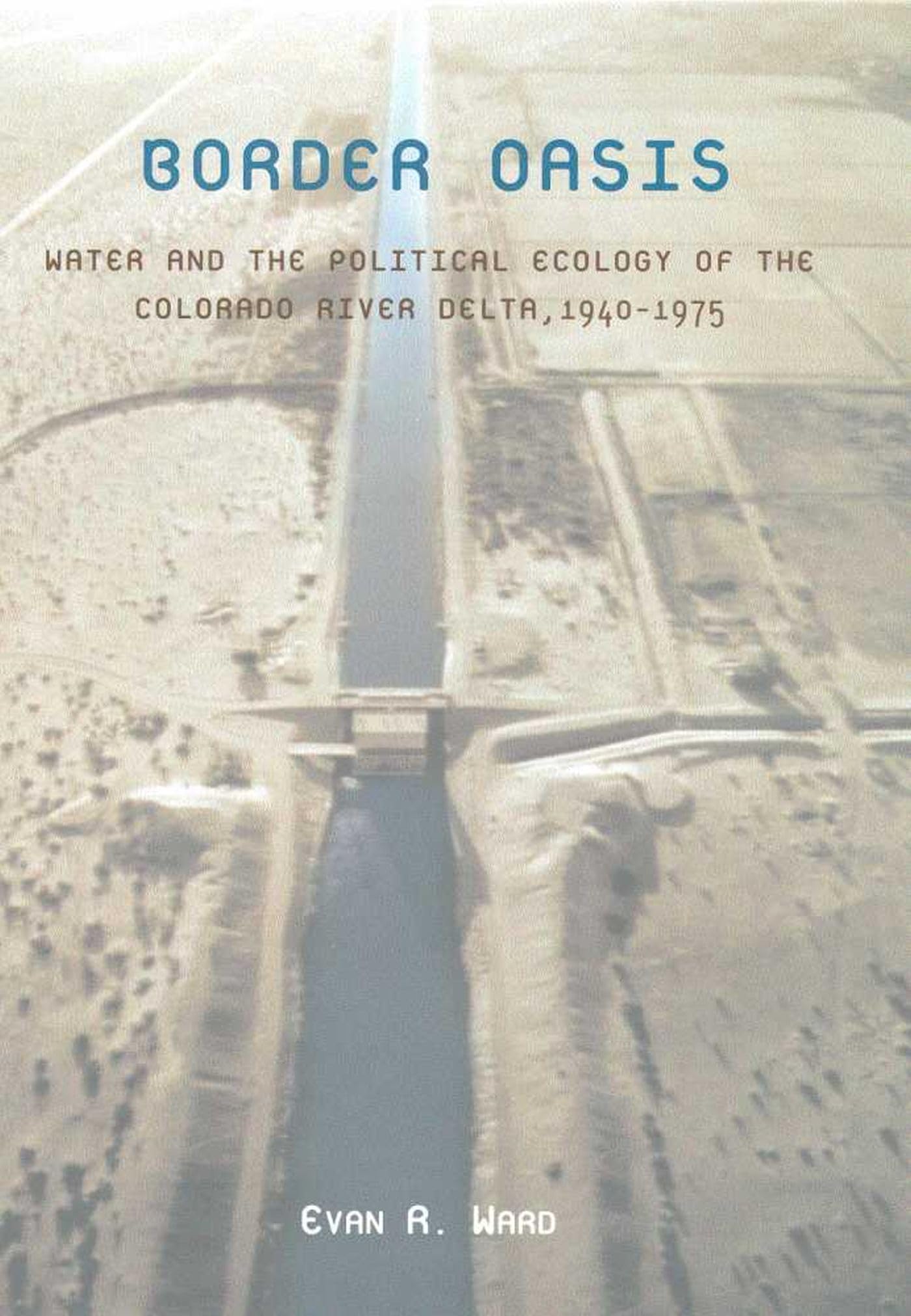
Title
Border Oasis: Water And The Political Ecology Of The Colorado River Delta, 19401975 (La Frontera: People And Their Environments,New
Sold by Ergodebooks, an authorized reseller.
Returns accepted within 30 days | support@ergodebooks.com
Shipping Information
- Free Standard Shipping — United States only
- Processing Time: 3–5 business days
- Estimated Delivery: 6–10 business days after dispatch
- Double-boxed, fully insured & discreetly packaged
- Tracking number sent via email once dispatched
Returns & Refund
Returns accepted within 30 days of delivery.
Damaged or Defective Item
Free return shipping + replacement or full refund
Wrong Item Received
Free return shipping + replacement or full refund
Change of Mind
Return shipping at customer's expense · 25% restocking fee applies
Payment Option

The Environmental History Of The Colorado River Delta During The Past Century Is One Of The Most Importantand Most Neglectedstories Of The U.S.Mexico Borderlands. Thanks To Entrepreneurs Such As William E. Smythe, The Surrounding Desert In Arizona, California, Sonora, And Baja California Has Been Transformed Into An Agricultural Oasis, But Not Without Significant Ecological, Political, Economic, And Social Consequences. Evan Ward Explores The Rapid Development Of This Region, Examining The Ways In Which Regional Politics And International Relations Created A Garden In The Mexicali, Yuma, And Imperial Valleys While Simultaneously Threatening The Life Of The Colorado River. Tracing The Transformation Of The Delta By Irrigated Agribusiness Through The Twentieth Century, He Draws On Untapped Archival Resources From Both Sides Of The Border To Offer A New Look At One Of The World'S Most Contested Landscapes. Border Oasis Tells How Two Very Different Nations Developed The Delta Into An Agricultural Oasis At Enormous Environmental Cost. Focusing On The Years 1940 To 1975Including The Disastrous Salinity Crisis Of The 1960S And 1970Sit Combines Mexican, Native American, And U.S. Perspectives To Demonstrate That The Political And Diplomatic Influences On The Delta Played As Much A Part In The Region'S Transformation As Did Irrigation. Ward Reveals How Mistrust Among Political And Economic Participants Has Been Fueled By Conflict Between National And Local Officials On Both Sides Of The Border, By Mexican Nationalism, And By A Mutual Recognition That Water Is The Critical Ingredient For Regional Economic Development. With Overemphasis On Development In Both Nations Leading To An Ecological Breaking Point, Ward Demonstrates That Conflicting Interests Have Made Sound Binational Management Of The Delta Nearly Impossible. By Weaving Together All Of These Threads That Have Produced The Fabric Of Today'S Lower Colorado, His Study Shows That The Environmental History Of The Delta Must Be Understood As A Whole, Not From The Standpoint Of Only One Of Many Competing Interests.
⚠️ WARNING (California Proposition 65):
This product may contain chemicals known to the State of California to cause cancer, birth defects, or other reproductive harm.
For more information, please visit www.P65Warnings.ca.gov.
- Q: What are the dimensions of the book? A: The book measures six inches in length, zero point eight inches in width, and nine point zero two inches in height.
- Q: How many pages does the book have? A: The book has two hundred eight pages, providing a comprehensive exploration of the Colorado River delta's environmental history.
- Q: What type of binding does the book use? A: The book is hardcover, ensuring durability and a premium feel for readers.
- Q: Who is the author of this book? A: The author is Evan R. Ward, known for his research on environmental history and political ecology.
- Q: What genre does this book fall under? A: This book belongs to the Environmental Economics genre, focusing on ecological and socio-political themes.
- Q: How should I read this book? A: You can read this book at your own pace, but it is recommended for readers interested in environmental history and political ecology.
- Q: Is this book suitable for academic use? A: Yes, this book is suitable for academic use, particularly in courses related to environmental studies, history, and political science.
- Q: What is the reading level of this book? A: The book is appropriate for adult readers and can be utilized by college students and professionals in relevant fields.
- Q: How should I store this book? A: Store this book in a cool, dry place, upright on a shelf, to maintain its condition and prevent damage.
- Q: Can I clean the book if it gets dirty? A: Yes, you can gently wipe the cover with a soft cloth to remove dust or smudges without damaging the book.
- Q: What do I do if the book arrives damaged? A: If the book arrives damaged, contact the seller for their return policy and inquire about a replacement or refund.
- Q: Is there a warranty for this book? A: Books typically do not come with a warranty, but you can check the seller's policy for any guarantees.
- Q: What if I have questions about the content? A: If you have questions about the content, consider reaching out to academic forums or discussion groups focused on environmental history.
- Q: Is this book a good resource for environmental policy? A: Yes, this book serves as a valuable resource for understanding the complexities of environmental policy in the U.S.-Mexico borderlands.
- Q: How can I best utilize the insights from this book? A: Utilize the insights by applying them to discussions on environmental management and policy-making in arid regions.