
Title
Bound Away: Virginia and the Westward Movement,Used
Sold by Ergodebooks, an authorized reseller.
Returns accepted within 30 days | support@ergodebooks.com
Shipping Information
- Free Standard Shipping — United States only
- Processing Time: 3–5 business days
- Estimated Delivery: 6–10 business days after dispatch
- Double-boxed, fully insured & discreetly packaged
- Tracking number sent via email once dispatched
Returns & Refund
Returns accepted within 30 days of delivery.
Damaged or Defective Item
Free return shipping + replacement or full refund
Wrong Item Received
Free return shipping + replacement or full refund
Change of Mind
Return shipping at customer's expense · 25% restocking fee applies
Payment Option

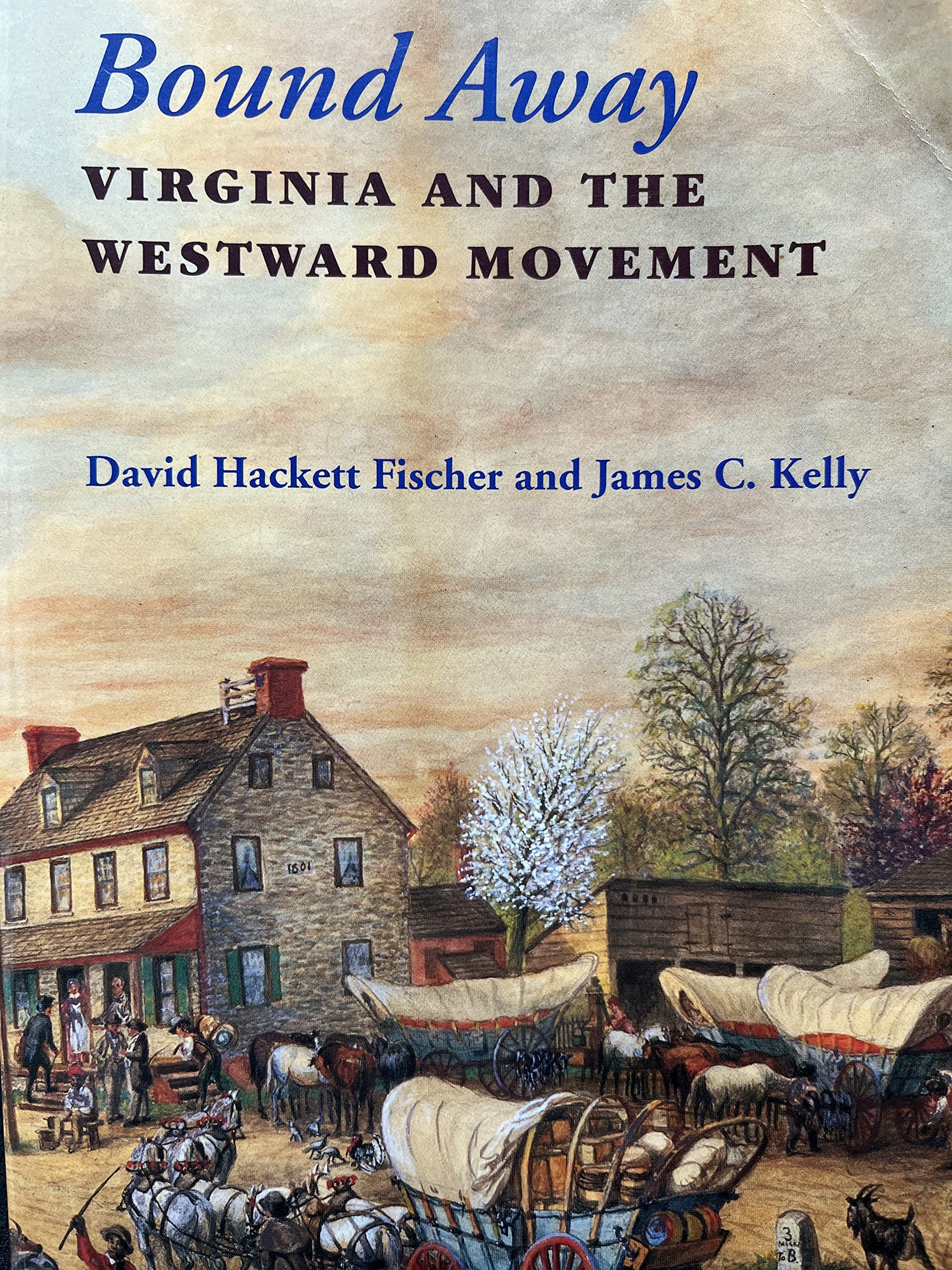
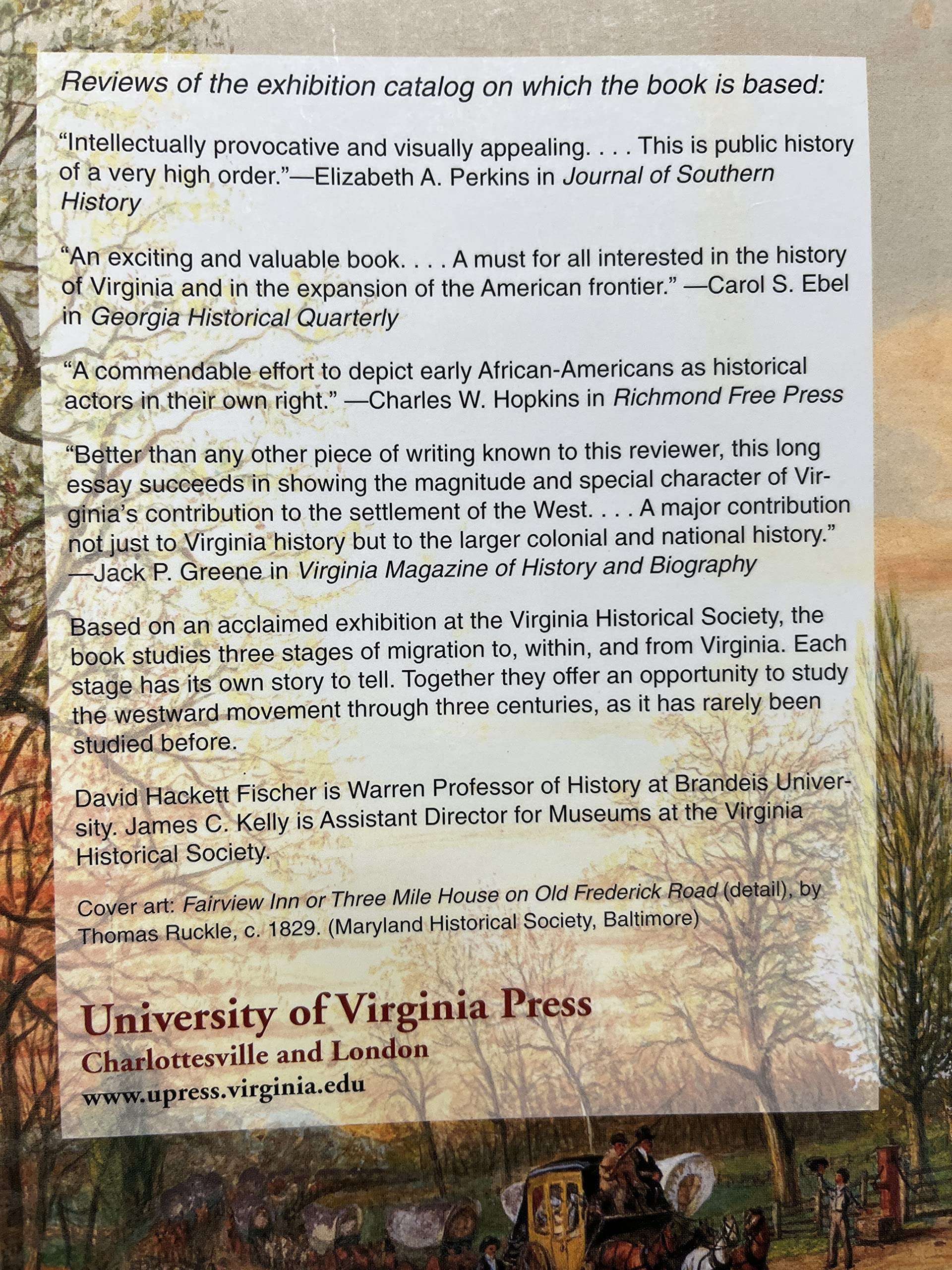
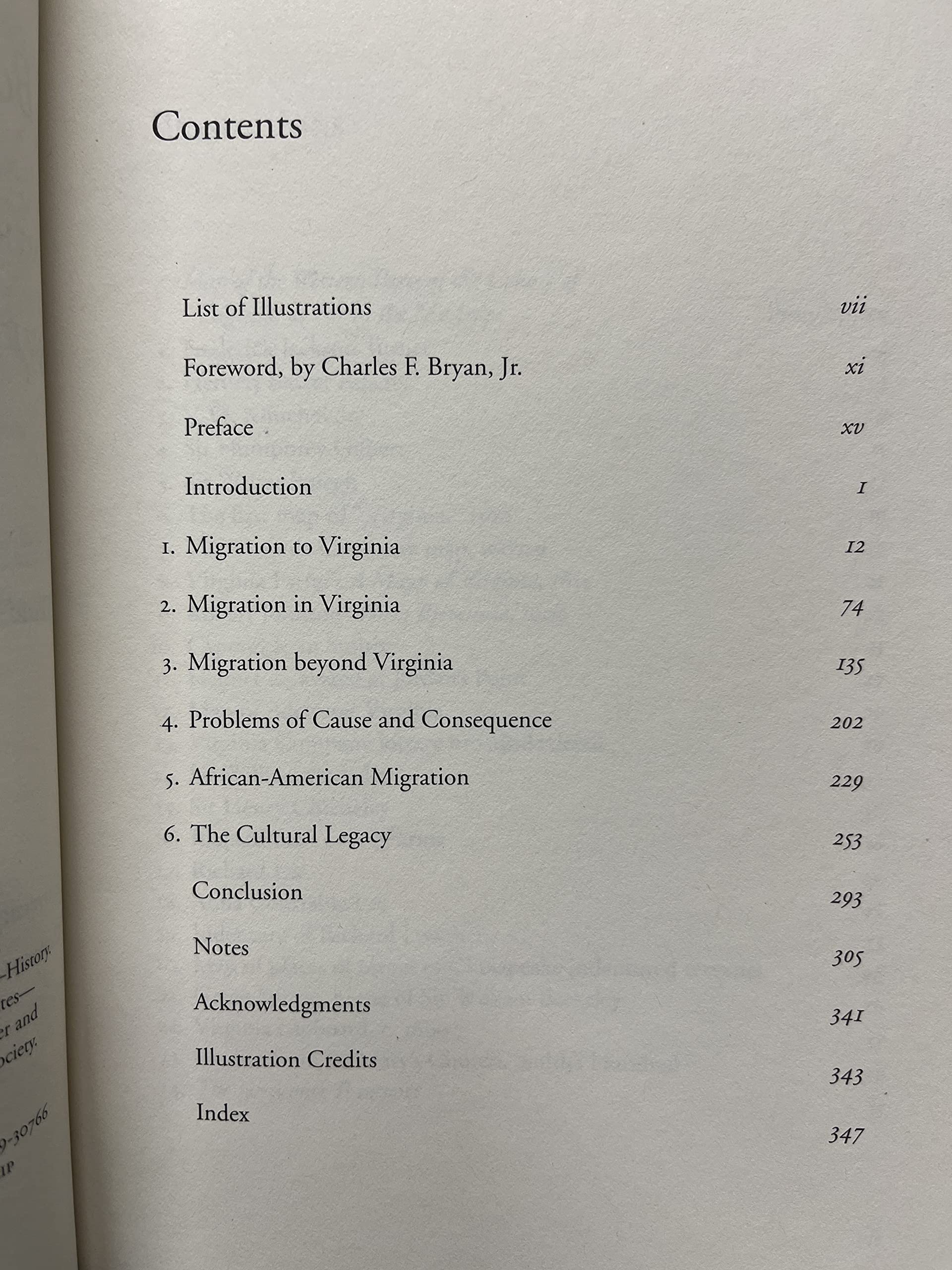
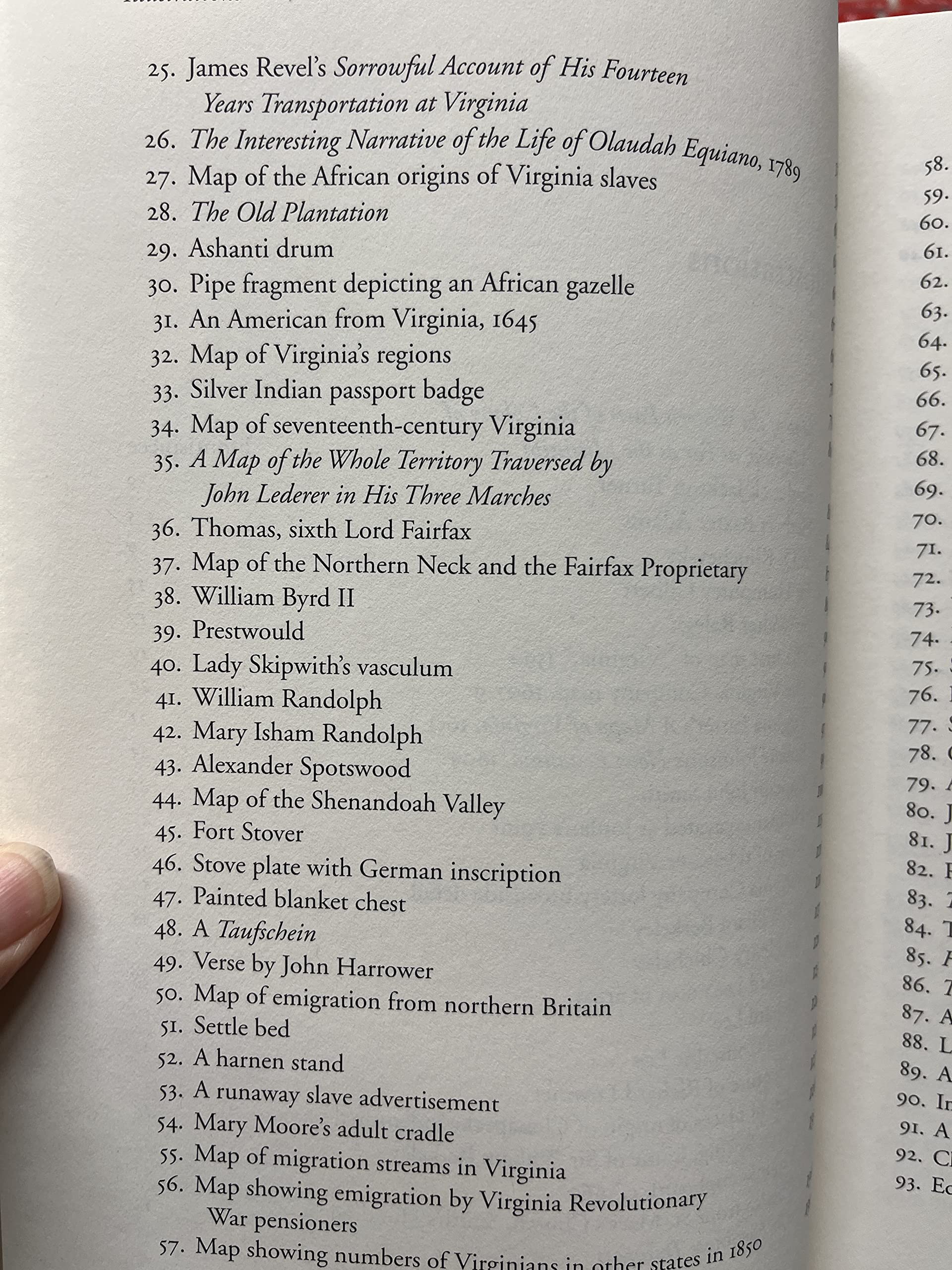
Bound Away offers a new understanding of the westward movement. After the Turner thesis which celebrated the frontier as the source of American freedom and democracy, and the iconoclasm of the new western historians who dismissed the idea of the frontier as merely a mask for conquest and exploitation, David Hackett Fischer and James C. Kelly take a third approach to the subject. They share with Turner the idea of the westward movement as a creative process of high importance in American history, but they understand it in a different way.Where Turner studied the westward movement in terms of its destination, Fischer and Kelly approach it in terms of its origins. Virginia's long history enables them to provide a rich portrait of migration and expansion as a dynamic process that preserved strong cultural continuities. They suggest that the oxymoron 'bound away'from the folksong Shenandoahcaptures a vital truth about American history. As people moved west, they built new societies from old materials, in a doubleacting process that made America what is today.Based on an acclaimed exhibition at the Virginia Historical society, the book studies three stages of migration to, within, and from Virginia. Each stage has its own story to tell. All of them together offer an opportunity to study the westward movement through three centuries, as it has rarely been studied before.Fischer and Kelly believe that the westward movement was a broad cultural process, which is best understood not only through the writings of intellectual elites, but also through the physical artifacts and folkways of ordinary people. The wealth of anecdotes and illustrations in this volume offer a new way of looking at John Smith and William Byrd, George Washington and Thomas Jefferson, Daniel Boone, Dred Scott, and scores of lesser known gentry, yeomen, servants, and slaves who were all 'bound away' to an old new world.
⚠️ WARNING (California Proposition 65):
This product may contain chemicals known to the State of California to cause cancer, birth defects, or other reproductive harm.
For more information, please visit www.P65Warnings.ca.gov.