
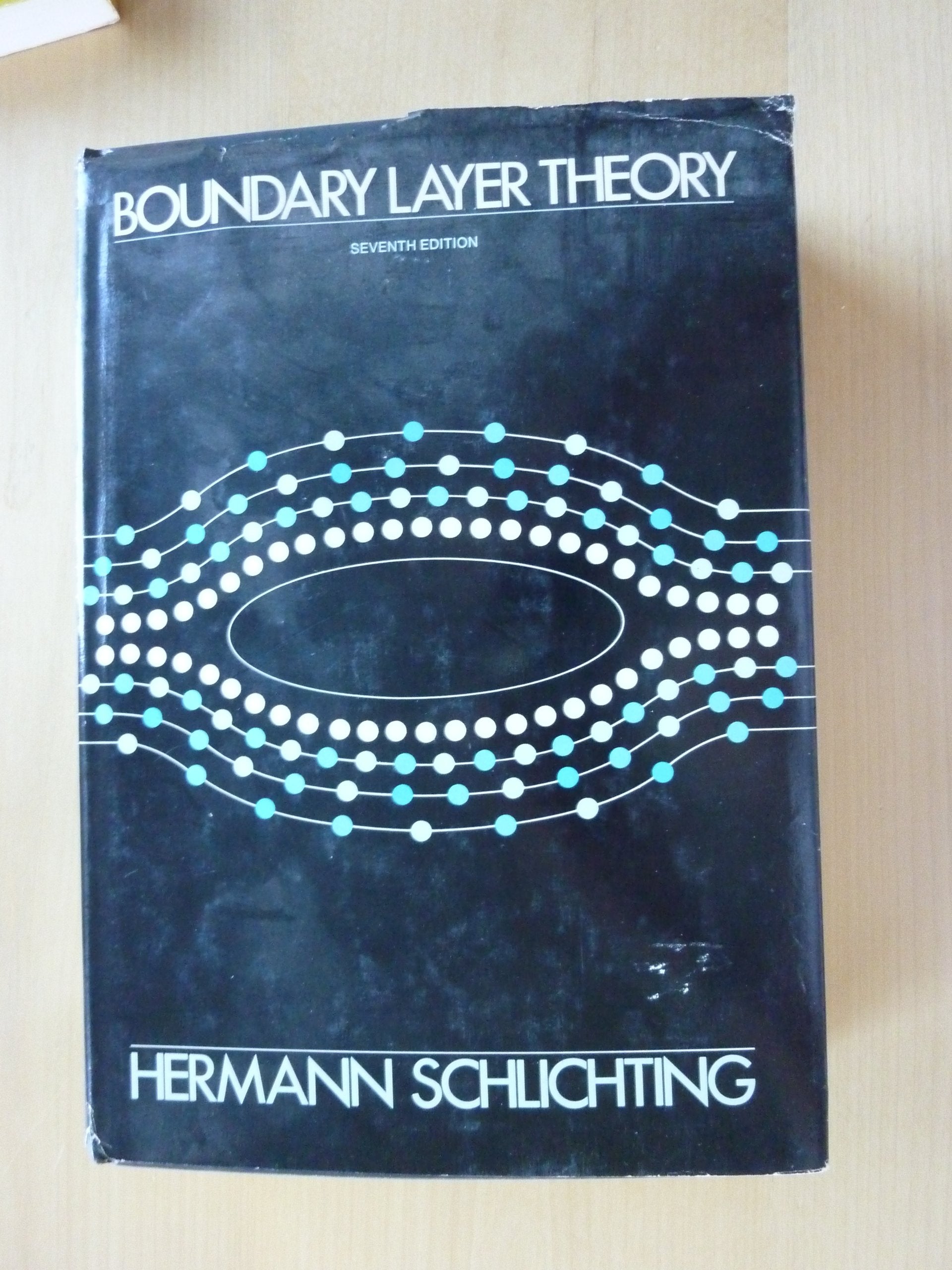
Title
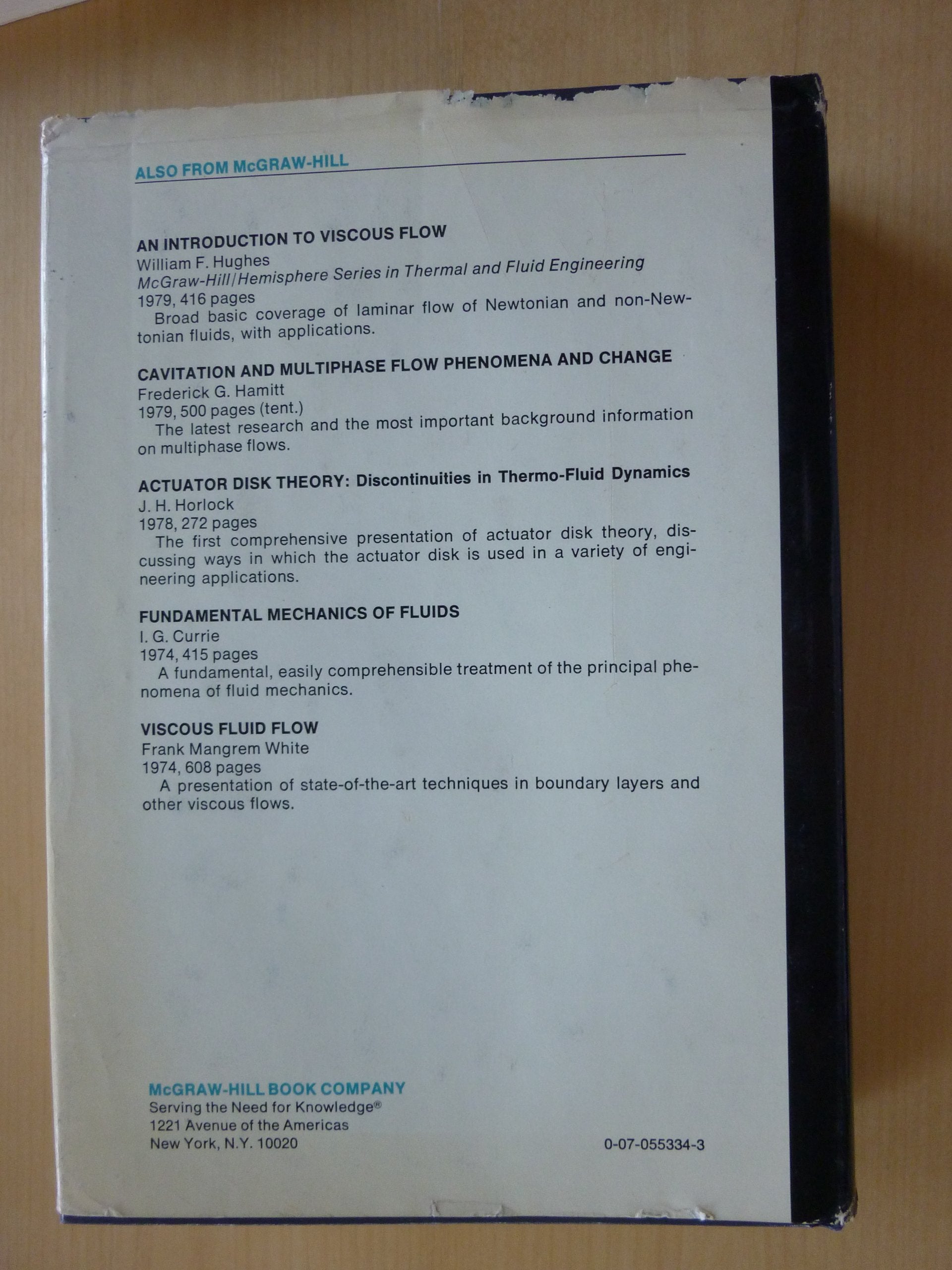
Boundary Layer Theory,Used
Sold by Ergodebooks, an authorized reseller.
Returns accepted within 30 days | support@ergodebooks.com
Shipping Information
- Free Standard Shipping — United States only
- Processing Time: 3–5 business days
- Estimated Delivery: 6–10 business days after dispatch
- Double-boxed, fully insured & discreetly packaged
- Tracking number sent via email once dispatched
Returns & Refund
Returns accepted within 30 days of delivery.
Damaged or Defective Item
Free return shipping + replacement or full refund
Wrong Item Received
Free return shipping + replacement or full refund
Change of Mind
Return shipping at customer's expense · 25% restocking fee applies
Payment Option

This Text Is The Translation And Revision Of Schlichting'S Classic Text In Boundary Layer Theory. The Main Areas Covered Are Laws Of Motion For A Viscous Fluid, Laminar Boundary Layers, Transition And Turbulence, And Turbulent Boundary Layers.
⚠️ WARNING (California Proposition 65):
This product may contain chemicals known to the State of California to cause cancer, birth defects, or other reproductive harm.
For more information, please visit www.P65Warnings.ca.gov.
- Q: What is the page count of Boundary Layer Theory? A: The book has eight hundred seventeen pages. This extensive length allows for in-depth coverage of boundary layer theory topics.
- Q: What are the dimensions of the book? A: The book measures six point seventy-five inches in length, one point five inches in width, and nine point seventy-six inches in height. These dimensions make it a standard hardcover size.
- Q: What binding type does this book have? A: The book is bound in hardcover. This durable binding ensures longevity and protection for the content within.
- Q: How do I effectively use Boundary Layer Theory for study? A: To use this book effectively, read chapter by chapter, focusing on the provided examples and exercises. It's suitable for advanced undergraduate or graduate students in aerospace engineering.
- Q: Is this book suitable for beginners in fluid mechanics? A: No, this book is not recommended for beginners. It assumes a solid understanding of fluid dynamics and is aimed at more advanced learners.
- Q: What topics are covered in Boundary Layer Theory? A: The book covers laws of motion for viscous fluids, laminar boundary layers, transition and turbulence, and turbulent boundary layers. Each section is critical for understanding fluid mechanics in aerospace.
- Q: How should I care for my hardcover book? A: To care for your hardcover book, keep it in a dry, cool place and avoid direct sunlight. This will help preserve the cover and pages.
- Q: Is there a warranty on Boundary Layer Theory? A: No, there is no warranty offered for this book. However, it should arrive in good condition if ordered from a reputable seller.
- Q: Can I return Boundary Layer Theory if I don’t like it? A: Yes, you can return the book if it is in original condition. Check the seller’s return policy for specific details.
- Q: What if the book arrives damaged? A: If the book arrives damaged, contact the seller immediately for a replacement or refund. Most reputable sellers will accommodate such requests.
- Q: Who is the author of Boundary Layer Theory? A: The author of the book is Hermann Schlichting. He is well-known for his contributions to fluid mechanics and boundary layer theory.
- Q: What is the target audience for this book? A: The target audience includes aerospace engineering students and professionals. It's designed for those with advanced knowledge in fluid mechanics.
- Q: Does this book include exercises or problems? A: Yes, the book includes exercises and problems at the end of each chapter. These are beneficial for reinforcing the material covered.
- Q: Is Boundary Layer Theory published by a reputable publisher? A: Yes, it is published by McGraw-Hill Education, a well-respected publisher in the field of educational materials.
- Q: What kind of illustrations can I expect in this book? A: The book features various illustrations and diagrams to help explain complex concepts in boundary layer theory. These visuals enhance understanding.