
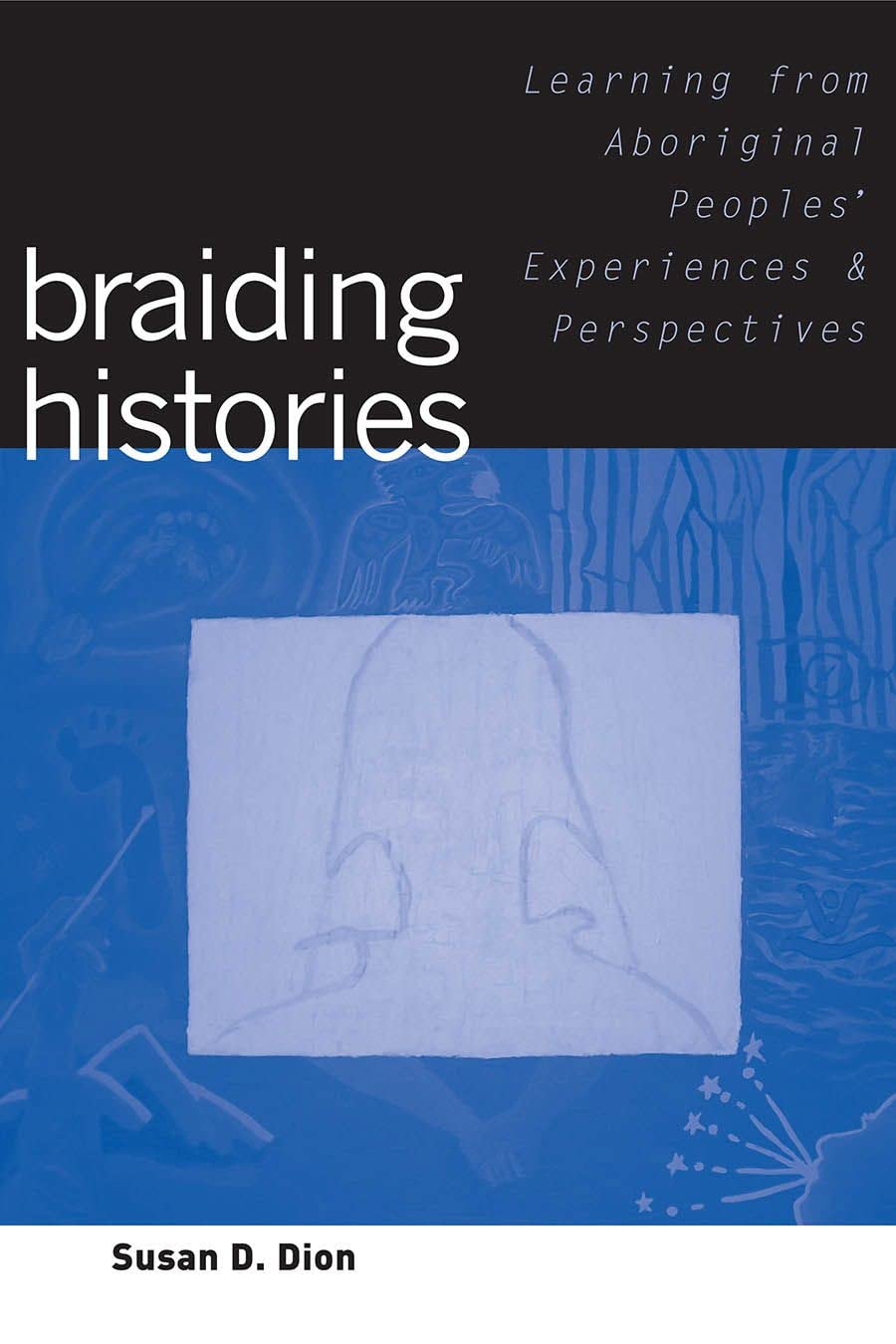
Braiding Histories
$26.89
Title
Braiding Histories
Free Standard Shipping Across USA
Quantity
Sold by Ergodebooks, an authorized reseller.
Returns accepted within 30 days | support@ergodebooks.com
Shipping Information
- Free Standard Shipping — United States only
- Processing Time: 3–5 business days
- Estimated Delivery: 6–10 business days after dispatch
- Double-boxed, fully insured & discreetly packaged
- Tracking number sent via email once dispatched
Returns & Refund
Returns accepted within 30 days of delivery.
Damaged or Defective Item
Free return shipping + replacement or full refund
Wrong Item Received
Free return shipping + replacement or full refund
Change of Mind
Return shipping at customer's expense · 25% restocking fee applies
All returns require a Return Authorization (RA) number before sending.
View Full Return & Refund Policy
Payment Option

⚠️ WARNING (California Proposition 65):
This product may contain chemicals known to the State of California to cause cancer, birth defects, or other reproductive harm.
For more information, please visit www.P65Warnings.ca.gov.
- Q: How many pages does 'Braiding Histories' have? A: The book 'Braiding Histories' has two hundred eight pages. This length allows for an in-depth exploration of Aboriginal subject material.
- Q: What is the binding type of 'Braiding Histories'? A: 'Braiding Histories' is available in paperback binding. This makes it lightweight and easy to handle.
- Q: What are the dimensions of the book? A: The dimensions of 'Braiding Histories' are six inches in length, zero point five one inches in width, and nine point zero two inches in height. These measurements make it a convenient size for reading.
- Q: Who is the author of 'Braiding Histories'? A: The author of 'Braiding Histories' is Susan D. Dion. She focuses on the intersection of Aboriginal experiences and education within her writing.
- Q: What is the publication date of 'Braiding Histories'? A: 'Braiding Histories' is set to be published on July first, two thousand nine. This date marks its introduction to the educational resource market.
- Q: What is the main theme of 'Braiding Histories'? A: The main theme of 'Braiding Histories' revolves around understanding historical experiences that shape contemporary Aboriginal and non-Aboriginal relations. It seeks to reframe pedagogical approaches to Aboriginal subject material.
- Q: Is 'Braiding Histories' suitable for students? A: Yes, 'Braiding Histories' is suitable for both teachers and students. It provides valuable insights into educational practices regarding Aboriginal experiences.
- Q: How can 'Braiding Histories' be used in classrooms? A: 'Braiding Histories' can be used as a resource for discussing historical narratives in education. It encourages critical thinking about identity and cultural representation.
- Q: What audience is 'Braiding Histories' intended for? A: 'Braiding Histories' is intended for educators, students, and readers interested in Native Studies and colonialism. Its approach is beneficial for anyone seeking to understand these complex topics.
- Q: Are there any specific educational levels recommended for 'Braiding Histories'? A: While 'Braiding Histories' is suitable for various educational levels, it is particularly beneficial for higher education students and educators. The content is designed to provoke thoughtful discussions.
- Q: How should I care for 'Braiding Histories'? A: To care for 'Braiding Histories', store it in a cool, dry place and avoid direct sunlight. This will help maintain the quality of the paperback binding.
- Q: Can I return 'Braiding Histories' if I'm not satisfied? A: Yes, you can return 'Braiding Histories' if you are not satisfied with your purchase. Be sure to check the return policy of the retailer for specific details.
- Q: What if 'Braiding Histories' arrives damaged? A: If 'Braiding Histories' arrives damaged, you should contact the retailer immediately for a replacement or refund. Most sellers have policies in place for such situations.
- Q: Is 'Braiding Histories' appropriate for young readers? A: Yes, 'Braiding Histories' is appropriate for young readers, particularly those studying history or Native Studies. It provides educational insights without inappropriate content.
- Q: Does 'Braiding Histories' address colonialism? A: Yes, 'Braiding Histories' addresses the topic of colonialism extensively. It explores its impact on Aboriginal and non-Aboriginal relations through a historical lens.
- Q: What makes 'Braiding Histories' unique? A: 'Braiding Histories' is unique because it shifts the focus from essentializing Aboriginal identities to understanding their historical contexts. This approach offers a fresh perspective in educational resources.