
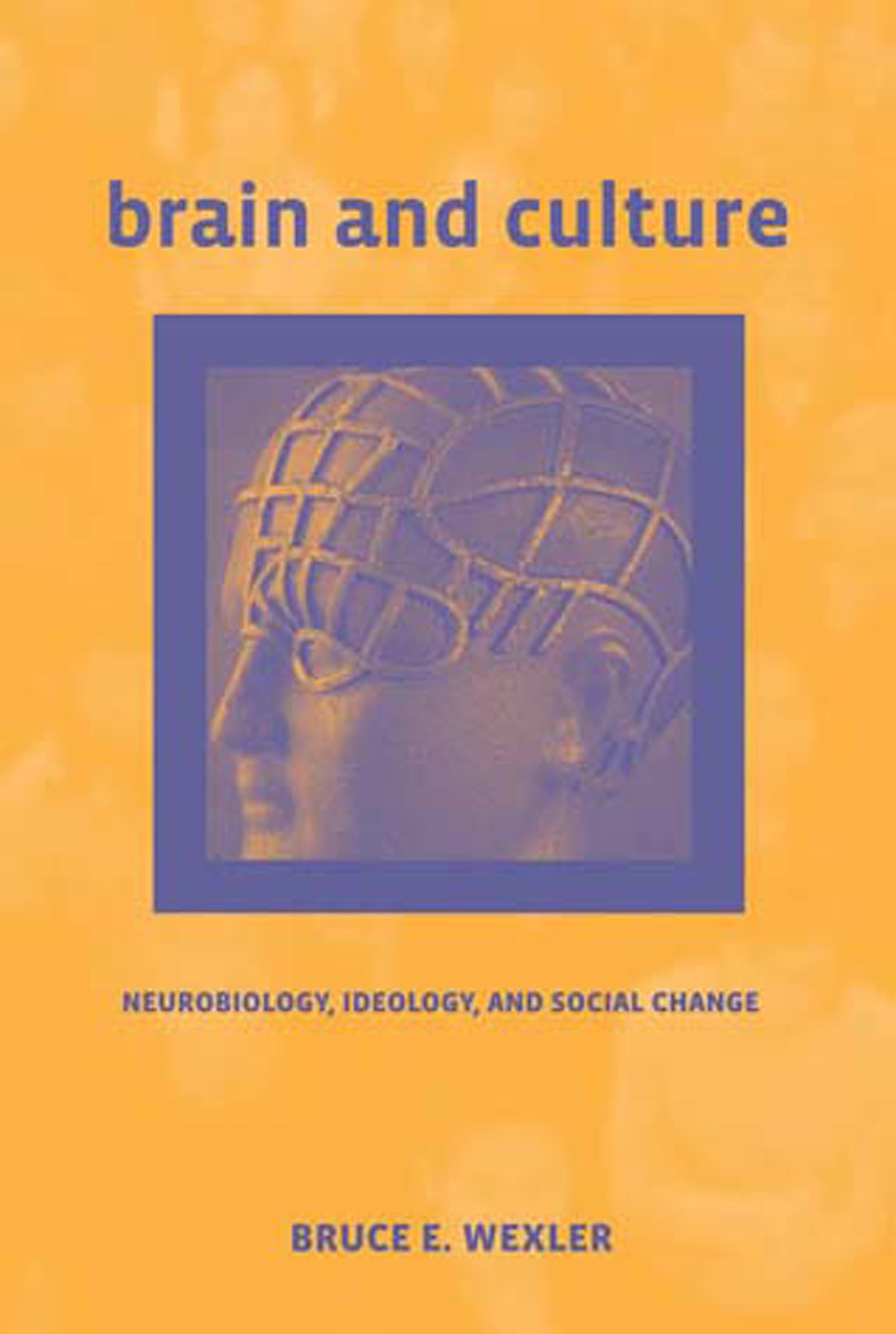
Title
Brain And Culture: Neurobiology, Ideology, And Social Change (Mit Press),New
Sold by Ergodebooks, an authorized reseller.
Returns accepted within 30 days | support@ergodebooks.com
Shipping Information
- Free Standard Shipping — United States only
- Processing Time: 3–5 business days
- Estimated Delivery: 6–10 business days after dispatch
- Double-boxed, fully insured & discreetly packaged
- Tracking number sent via email once dispatched
Returns & Refund
Returns accepted within 30 days of delivery.
Damaged or Defective Item
Free return shipping + replacement or full refund
Wrong Item Received
Free return shipping + replacement or full refund
Change of Mind
Return shipping at customer's expense · 25% restocking fee applies
Payment Option

Research Shows That Between Birth And Early Adulthood The Brain Requires Sensory Stimulation To Develop Physically. The Nature Of The Stimulation Shapes The Connections Among Neurons That Create The Neuronal Networks Necessary For Thought And Behavior. By Changing The Cultural Environment, Each Generation Shapes The Brains Of The Next. By Early Adulthood, The Neuroplasticity Of The Brain Is Greatly Reduced, And This Leads To A Fundamental Shift In The Relationship Between The Individual And The Environment: During The First Part Of Life, The Brain And Mind Shape Themselves To The Major Recurring Features Of Their Environment; By Early Adulthood, The Individual Attempts To Make The Environment Conform To The Established Internal Structures Of The Brain And Mind. In Brain And Culture, Bruce Wexler Explores The Social Implications Of The Close And Changing Neurobiological Relationship Between The Individual And The Environment, With Particular Attention To The Difficulties Individuals Face In Adulthood When The Environment Changes Beyond Their Ability To Maintain The Fit Between Existing Internal Structure And External Reality. These Difficulties Are Evident In Bereavement, The Meeting Of Different Cultures, The Experience Of Immigrants (In Which Children Of Immigrant Families Are More Successful Than Their Parents At The Necessary Internal Transformations), And The Phenomenon Of Interethnic Violence. Integrating Recent Neurobiological Research With Major Experimental Findings In Cognitive And Developmental Psychologywith Illuminating References To Psychoanalysis, Literature, Anthropology, History, And Politicswexler Presents A Wealth Of Detail To Support His Arguments. The Groundbreaking Connections He Makes Allow For Reconceptualization Of The Effect Of Cultural Change On The Brain And Provide A New Biological Base From Which To Consider Such Social Issues As 'Culture Wars' And Ethnic Violence.
⚠️ WARNING (California Proposition 65):
This product may contain chemicals known to the State of California to cause cancer, birth defects, or other reproductive harm.
For more information, please visit www.P65Warnings.ca.gov.
- Q: What is the page count of the book? A: This book has three hundred twenty pages. It provides a comprehensive exploration of neurobiology and cultural change.
- Q: What are the dimensions of the book? A: The book measures five point thirty-nine inches in length, zero point seventy-five inches in width, and eight inches in height. These dimensions make it easy to handle and read.
- Q: What is the binding type of this book? A: This book is a paperback edition. The paperback format makes it lightweight and portable for readers.
- Q: Who is the author of the book? A: The author of the book is Bruce Wexler. He explores the intricate relationship between neurobiology and culture.
- Q: What is the primary category of this book? A: The primary category of this book is neuropsychology. It focuses on the intersection of brain function and social change.
- Q: How do I read and understand this book? A: To read this book, simply open it and begin reading from the first page. It is accessible to anyone interested in psychology and culture.
- Q: Is this book suitable for academic study? A: Yes, this book is suitable for academic study. It integrates research from neurobiology and psychology, making it valuable for students and professionals.
- Q: Can I use this book for research purposes? A: Yes, this book can be used for research purposes. It presents detailed arguments supported by recent scientific studies in neurobiology.
- Q: What age group is this book appropriate for? A: This book is appropriate for adults and older teens. It discusses complex themes related to neurobiology and culture.
- Q: How should I store this book to keep it in good condition? A: To keep this book in good condition, store it upright in a cool, dry place. Avoid exposure to direct sunlight and moisture.
- Q: Is there any special care needed for this paperback book? A: No special care is needed for this paperback book. Just handle it gently to avoid creasing or tearing the pages.
- Q: Does this book have any safety concerns? A: No, there are no safety concerns with this book. It is a scholarly text intended for educational purposes.
- Q: What if I receive a damaged copy of this book? A: If you receive a damaged copy, you should contact the seller for a replacement. Most sellers have return policies for damaged items.
- Q: Is there a warranty on this book? A: No, there is no warranty on this book. However, you can check with the seller for their return policy.
- Q: How do I find out more about the content of this book? A: To find out more about the content, you can read reviews or summaries available online. They provide insights into the main themes and arguments.
- Q: Is this book a good choice for someone new to neuropsychology? A: Yes, this book is a good choice for someone new to neuropsychology. It presents complex ideas in an accessible manner, making it suitable for beginners.