If you have any questions, you are always welcome to contact us. We'll get back to you as soon as possible, withing 24 hours on weekdays.
Customer service
All questions about your order, return and delivery must be sent to our customer service team by e-mail at yourstore@yourdomain.com
Sale & Press
If you are interested in selling our products, need more information about our brand or wish to make a collaboration, please contact us at press@yourdomain.com
Help
If you have any questions, you are always welcome to contact us. We'll get back to you as soon as possible, withing 24 hours on weekdays.
Customer service
All questions about your order, return and delivery must be sent to our customer service team by e-mail at yourstore@yourdomain.com
Sale & Press
If you are interested in selling our products, need more information about our brand or wish to make a collaboration, please contact us at press@yourdomain.com
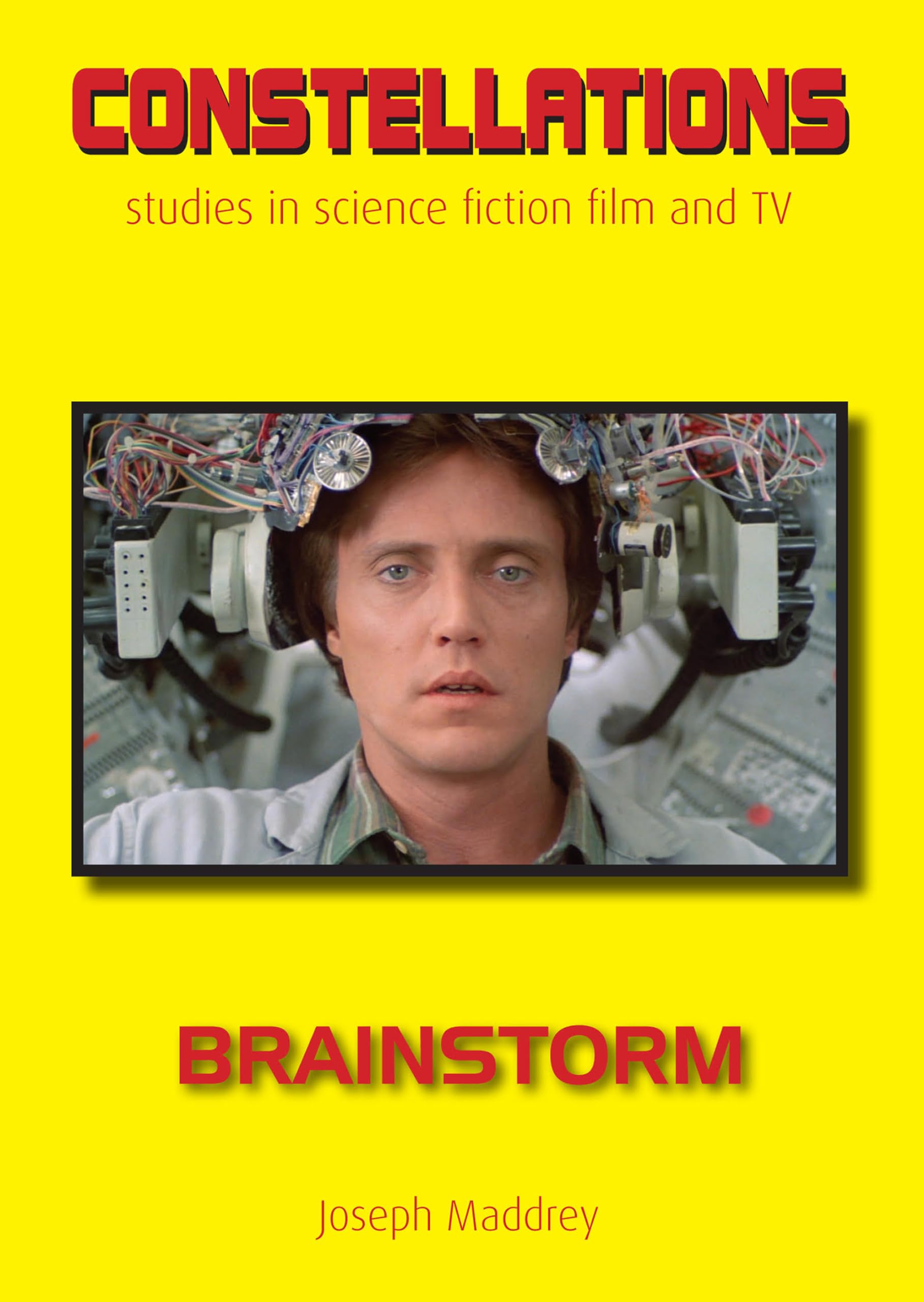
The makers of Brainstorm (1983) spent more than a decade transferring the revolutionary concept of an "empathy machine" from page to screen, only for the famously troubled production to be met with critical and commercial indifference on release. But since 1984 the film has continued to inspire viewers to imagine possibilities for the future. As a result, Brainstorm now seems less like a fixed piece of film history than an idea in evolution. The screen story embodies the ambitions of scifi cinema going back to the 1950s, as well as the turbulent culture of the western world in the 1960s and 1970s. It also foreshadows technological breakthroughs around the turn of the twentyfirst century, making the film startlingly relevant to our digitallyenhanced information age. To fully appreciate the film's "ultimate experience," it helps to understand exactly how the film evolved. This book aims to provide context for such an understanding, beginning with a brief history of science fiction cinema and setting up a careful consideration of multiple drafts of the Brainstorm screenplay by three different screenwriters: Bruce Joel Rubin, Philip F. Messina, and Robert Stitzel. It will also briefly examine the production history of the film (including the tragic death of star Natalie Wood), the career of the director and special effects wizard Douglas Trumbull, the particulars of the completed film, and the film's influence on future storytellers like James Cameron.
⚠️ WARNING (California Proposition 65):
This product may contain chemicals known to the State of California to cause cancer,
birth defects, or other reproductive harm.
For MAP (Minimum Advertised Price) violations and Intellectual Property (IP) or Trademark concerns, please contact:
support@ergodebooks.com
⚠️ California Proposition 65 Warning: Some products sold on this website may expose you to chemicals known to the State of California to cause cancer, birth defects, or other reproductive harm. For more information, visit www.P65Warnings.ca.gov.