
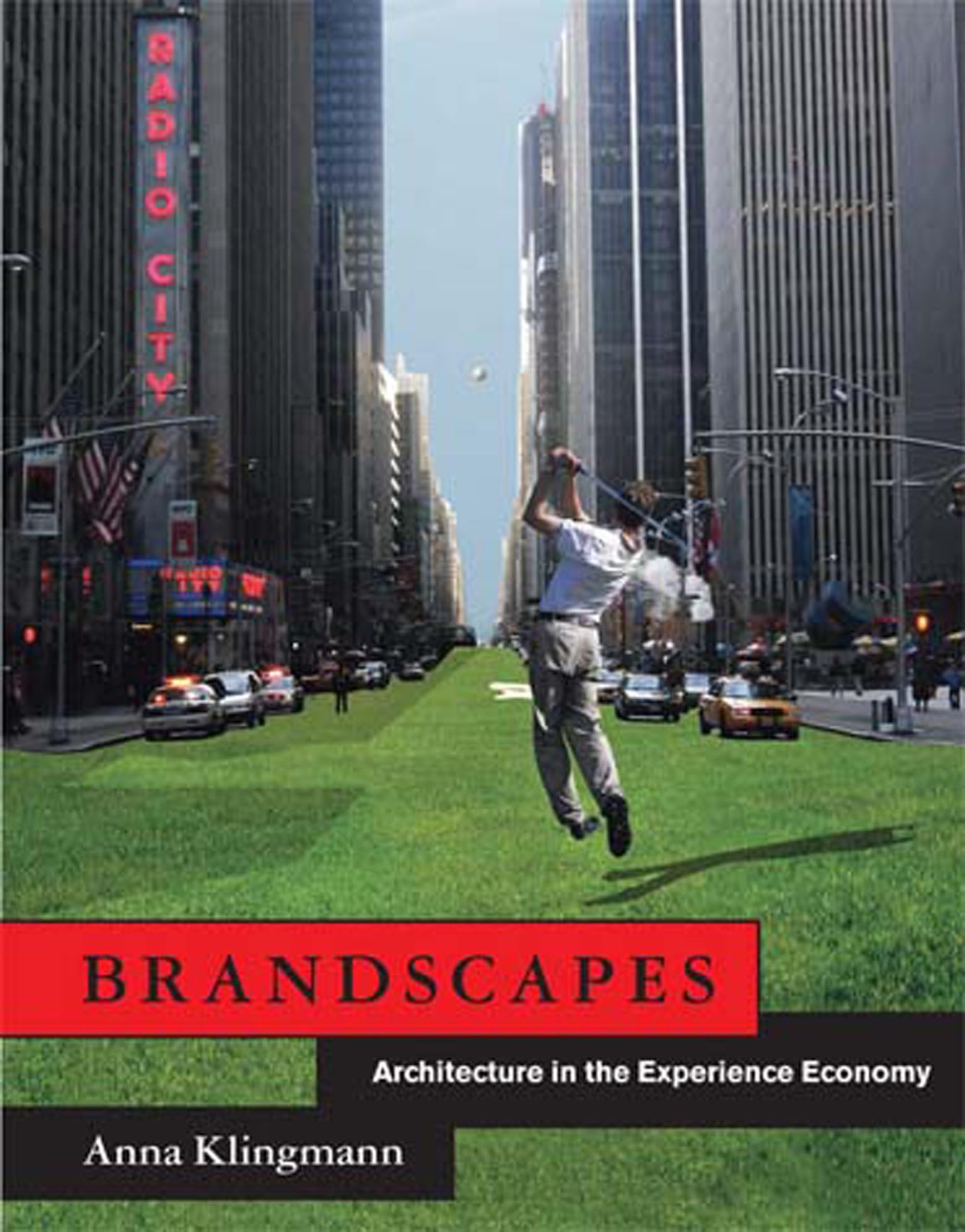
Title
Brandscapes: Architecture In The Experience Economy (Mit Press)
Sold by Ergodebooks, an authorized reseller.
Returns accepted within 30 days | support@ergodebooks.com
Shipping Information
- Free Standard Shipping — United States only
- Processing Time: 3–5 business days
- Estimated Delivery: 6–10 business days after dispatch
- Double-boxed, fully insured & discreetly packaged
- Tracking number sent via email once dispatched
Returns & Refund
Returns accepted within 30 days of delivery.
Damaged or Defective Item
Free return shipping + replacement or full refund
Wrong Item Received
Free return shipping + replacement or full refund
Change of Mind
Return shipping at customer's expense · 25% restocking fee applies
Payment Option

Architecture As Imprint, As Brand, As The New Media Of Transformationof Places, Communities, Corporations, And People.In The Twentyfirst Century, We Must Learn To Look At Cities Not As Skylines But As Brandscapes And At Buildings Not As Objects But As Advertisements And Destinations. In The Experience Economy, Experience Itself Has Become The Product: We'Re No Longer Consuming Objects But Sensations, Even Lifestyles. In The New Environment Of Brandscapes, Buildings Are Not About Where We Work And Live But Who We Imagine Ourselves To Be. In Brandscapes, Anna Klingmann Looks Critically At The Controversial Practice Of Branding By Examining Its Benefits, And Considering The Damage It May Do.Klingmann Argues That Architecture Can Use The Concepts And Methods Of Brandingnot As A Quickandeasy Selling Tool For Architects But As A Strategic Tool For Economic And Cultural Transformation. Branding In Architecture Means The Expression Of Identity, Whether Of An Enterprise Or A City; New York, Bilbao, And Shanghai Have Used Architecture To Enhance Their Images, Generate Economic Growth, And Elevate Their Positions In The Global Village. Klingmann Looks At Different Kinds Of Brandscaping Today, From Disneyland, Las Vegas, And Times Squareprototypes And Case Studies In Brandingto Prada'S Superstararchitectdesigned Shopping Epicenters And The Banalities Of Niketown.But Beyond Outlining The Status Quo, Klingmann Also Alerts Us To The Dangers Of Brandscapes. By Favoring The Creation Of Signature Buildings Over More Comprehensive Urban Interventions And By Severing Their Identity From The Complexity Of The Social Fabric, Klingmann Argues, Today'S Brandscapes Have, In Many Cases, Resulted In A Culture Of The Copy. As Experiences Become More And More Commodified, And The Global Landscape Progressively More Homogenized, It Falls To Architects To Infuse An Ever More Aseptic Landscape With Meaningful Transformations.How Can Architects Use Branding As A Means To Differentiate Places From The Inside Outand Not, As Current Development Practices Seem To Dictate, From The Outside In? When Architecture Brings Together Ecology, Economics, And Social Wellbeing To Help People And Places Regain Selfsufficiency, Writes Klingmann, It Can Be A Catalyst For Cultural And Economic Transformation.
⚠️ WARNING (California Proposition 65):
This product may contain chemicals known to the State of California to cause cancer, birth defects, or other reproductive harm.
For more information, please visit www.P65Warnings.ca.gov.
- Q: What is the page count of the book? A: This book has three hundred seventy-eight pages. It offers an in-depth exploration of architecture and branding.
- Q: What are the dimensions of the book? A: The book measures seven point zero six inches in length, one point zero two inches in width, and nine point zero two inches in height.
- Q: What type of binding does this book have? A: The book is available in paperback binding, making it flexible and lightweight for easy reading.
- Q: Who is the author of 'Brandscapes'? A: The author of 'Brandscapes: Architecture in the Experience Economy' is Anna Klingmann.
- Q: What genre does this book belong to? A: This book is categorized under criticism, specifically focusing on architecture and branding.
- Q: How do I read this book effectively? A: To read this book effectively, consider taking notes on key concepts and examples as you progress through the chapters.
- Q: Is this book suitable for beginners in architecture? A: Yes, this book is suitable for beginners. Its concepts are accessible and relevant to those new to architecture and branding.
- Q: What themes are explored in 'Brandscapes'? A: The book explores themes such as branding, urban transformation, identity, and the impact of architecture on culture.
- Q: What should I do to keep the book in good condition? A: To keep the book in good condition, store it in a dry place away from direct sunlight and avoid bending the spine.
- Q: Is there a recommended storage method for books like this? A: Yes, it's best to store books upright on a shelf to prevent warping and damage to the spine.
- Q: What if I receive the book damaged? A: If you receive a damaged book, contact the seller for a return or exchange as per their policy.
- Q: Can I return the book if I'm not satisfied? A: Yes, most sellers allow returns if you're not satisfied, but check the specific return policy for details.
- Q: Are there any common issues with this book? A: Common issues may include printing errors or shipping damage; check your copy upon arrival for any discrepancies.
- Q: How does 'Brandscapes' compare to other architecture books? A: Unlike many architecture books, 'Brandscapes' uniquely integrates branding concepts, making it distinct in its approach.
- Q: Is this book more suitable for professionals or students? A: This book is suitable for both professionals and students interested in the intersection of architecture and branding.
- Q: What unique perspectives does Anna Klingmann offer in this book? A: Anna Klingmann offers critical insights into branding in architecture, discussing its cultural and economic implications.