
Title
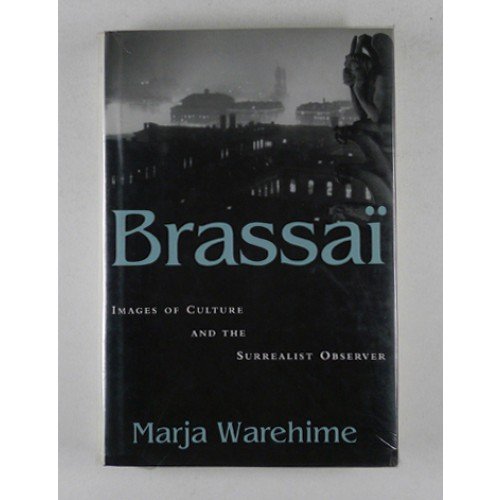
Brassai: Images of Culture and the Surrealist Observer (Modernist Studies),Used
Sold by Ergodebooks, an authorized reseller.
Returns accepted within 30 days | support@ergodebooks.com
Shipping Information
- Free Standard Shipping — United States only
- Processing Time: 3–5 business days
- Estimated Delivery: 6–10 business days after dispatch
- Double-boxed, fully insured & discreetly packaged
- Tracking number sent via email once dispatched
Returns & Refund
Returns accepted within 30 days of delivery.
Damaged or Defective Item
Free return shipping + replacement or full refund
Wrong Item Received
Free return shipping + replacement or full refund
Change of Mind
Return shipping at customer's expense · 25% restocking fee applies
Payment Option

Henry Miller called his friend Brassai 'the eye of Paris.' This strikingly innovative photographer revealed the City of Light as had no other artist before him, and his work continues to influence the art and practice of photography. In this authoritative, penetrating, and comprehensive study of Brassai's complete oeuvre, illustrated with reproductions of many stunning photographs, Marja Warehime analyzes Brassai's paradoxical position between documentary realism and Surrealism in the France of the 1930s. She stresses the subjects he pursued most passionately: the shadowy Parisian night, the scrawlings of urban graffiti, the nature of creative genius as reflected in studies of France's most celebrated artists and their studios.Warehime explores Brassai's striking, atmospheric images of cafes, dance halls, brothels, and streets where workers on the night shift mingle with tourists, nightclubbers, vagabonds, street toughs, performers, and prostitutes. Focusing on his photographs, but drawing also on his literary, aesthetic, biographical, and autobiographical writings including letters that remain untranslated from the original Hungarian Warehime examines Brassai's relationship to the Surrealist movement and shows us how his work evokes the cultural climate of France between the world wars. The history of his career, she demonstrates, reflects not only the development of photography but also the sweep of Western cultural history; his work bridges nineteenthcentury romantic realism and modernism, anticipating the chief values of media culture: immediacy and emotional power.
⚠️ WARNING (California Proposition 65):
This product may contain chemicals known to the State of California to cause cancer, birth defects, or other reproductive harm.
For more information, please visit www.P65Warnings.ca.gov.