
Title
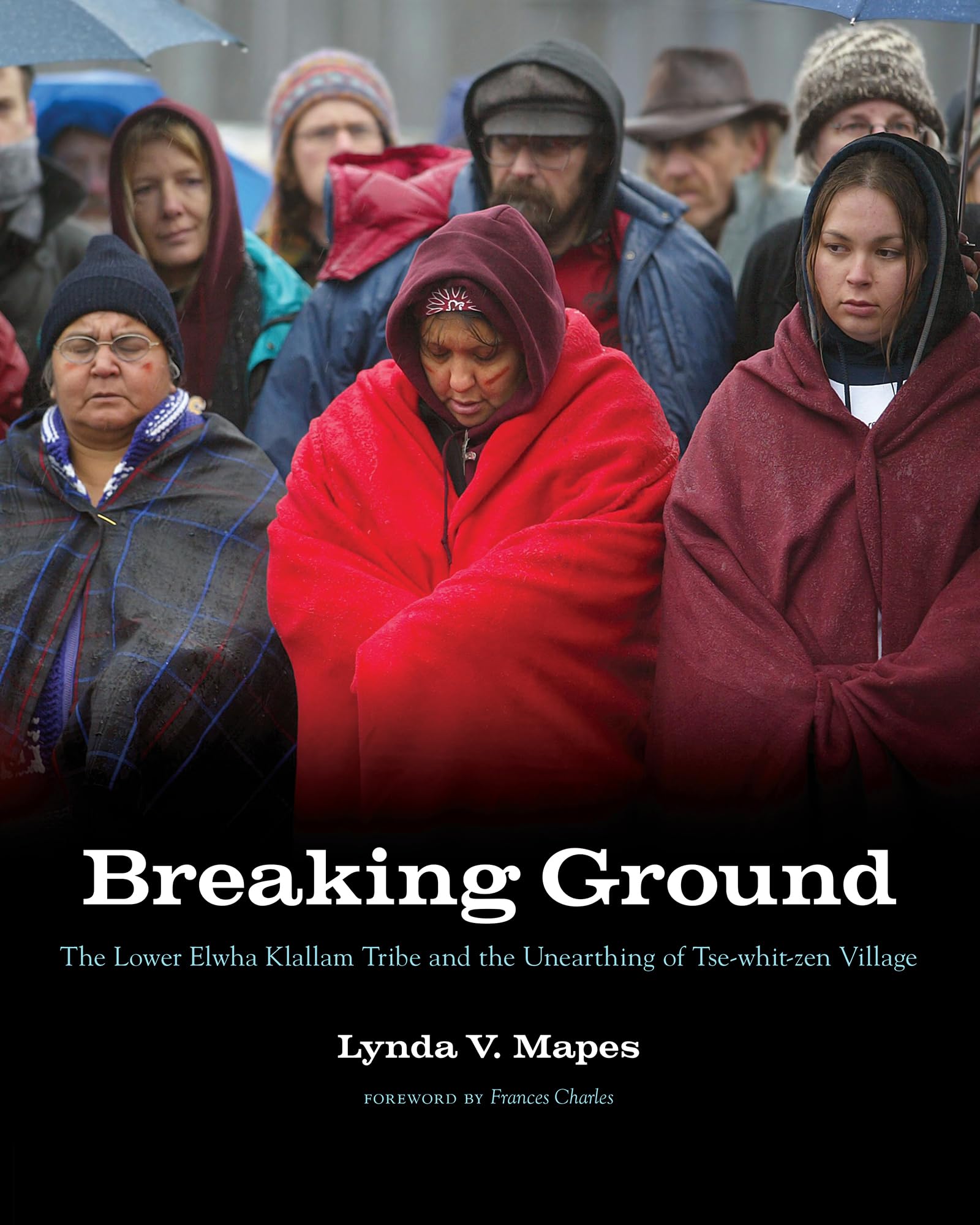
Breaking Ground: The Lower Elwha Klallam Tribe And The Unearthing Of Tsewhitzen Village (Capell Family Books Xx),New
Sold by Ergodebooks, an authorized reseller.
Returns accepted within 30 days | support@ergodebooks.com
Shipping Information
- Free Standard Shipping — United States only
- Processing Time: 3–5 business days
- Estimated Delivery: 6–10 business days after dispatch
- Double-boxed, fully insured & discreetly packaged
- Tracking number sent via email once dispatched
Returns & Refund
Returns accepted within 30 days of delivery.
Damaged or Defective Item
Free return shipping + replacement or full refund
Wrong Item Received
Free return shipping + replacement or full refund
Change of Mind
Return shipping at customer's expense · 25% restocking fee applies
Payment Option

In 2003, A Backhoe Operator Hired By The State Of Washington To Work On The Port Angeles Waterfront Discovered What A Larger World Would Soon Learn. The Place Chosen To Dig A Massive Dry Dock Was Atop One Of The Largest And Oldest Indian Village Sites Ever Found In The Region. Yet The State Continued Its Project, Disturbing Hundreds Of Burials And Unearthing More Than 10,000 Artifacts At Tsewhitzen Village, The Heart Of The Longburied Homeland Of The Klallam People.Excitement At The Archaeological Find Of A Generation Gave Way To Anguish As Tribal Members Working Alongside State Construction Workers Encountered More And More Human Remains, Including Many Intact Burials. Finally, Tribal Members Said The Words That Stopped The Project: 'Enough Is Enough.'Soon After, Lower Elwha Klallam Tribe Chairwoman Frances Charles Asked The State To Walk Away From More Than $70 Million In Public Money Already Spent On The Project And Find A New Site. The State, In An Unprecedented And Controversial Decision That Reverberated Around The Nation, Agreed.In Search Of The Story Behind The Story, Seattle Times Reporter Lynda V. Mapes Spent More Than A Year Interviewing Tribal Members, Archaeologists, Historians, City And State Officials, And Local Residents And Business Leaders. Her Account Begins With The History Of Tsewhitzen Village, And The Nineteenth And Twentiethcentury Impacts Of Contact, Forced Assimilation, And Industrialization. She Then Engages All The Voices Involved In The Dry Dock Controversy To Explore How The Site Was Chosen, And How The Decisions Were Made First To Proceed And Then To Abandon The Project, As Well As The Aftermath And Implications Of Those Controversial Choices.This Beautifully Crafted And Compassionate Account, Illustrated With Nearly 100 Photographs, Illuminates The Collective Amnesia That Led To The Choice Of The Port Angeles Construction Site. 'You Have To Know Your Past In Order To Build Your Future,' Charles Says, Recounting The Words Of Tribal Elders. Breaking Ground Takes That Teaching To Heart, Demonstrating That The Lessons Of Tsewhitzen Are Teachings From Which We All May Benefit.A Capell Family Book
⚠️ WARNING (California Proposition 65):
This product may contain chemicals known to the State of California to cause cancer, birth defects, or other reproductive harm.
For more information, please visit www.P65Warnings.ca.gov.