
Title


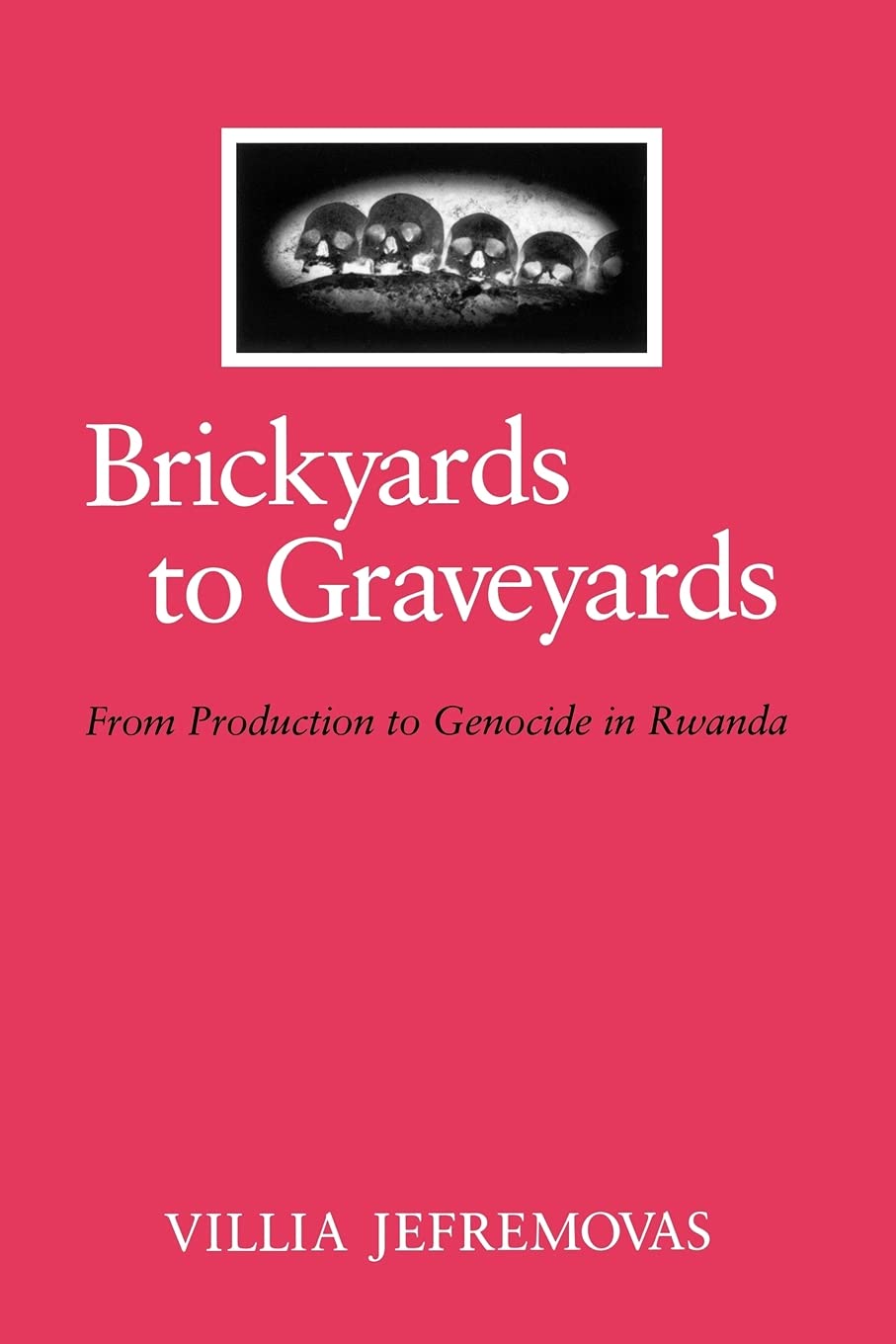
Brickyards To Graveyards:From Production To Genocide In Rwanda (S.U.N.Y. Series In Anthropology Of Work)
Sold by Ergodebooks, an authorized reseller.
Returns accepted within 30 days | support@ergodebooks.com
Shipping Information
- Free Standard Shipping — United States only
- Processing Time: 3–5 business days
- Estimated Delivery: 6–10 business days after dispatch
- Double-boxed, fully insured & discreetly packaged
- Tracking number sent via email once dispatched
Returns & Refund
Returns accepted within 30 days of delivery.
Damaged or Defective Item
Free return shipping + replacement or full refund
Wrong Item Received
Free return shipping + replacement or full refund
Change of Mind
Return shipping at customer's expense · 25% restocking fee applies
Payment Option

Explores How The Conditions That Shaped Rwanda'S Labor Organization And Industries Also Shaped Rwanda'S Genocide.
⚠️ WARNING (California Proposition 65):
This product may contain chemicals known to the State of California to cause cancer, birth defects, or other reproductive harm.
For more information, please visit www.P65Warnings.ca.gov.
- Q: What is the page count of the book? A: The book has one hundred seventy-four pages. This length allows for a thorough exploration of the themes related to Rwanda's labor organization and genocide.
- Q: What is the binding type of this book? A: It is a paperback binding. This makes it lightweight and easy to carry, suitable for readers who prefer portable options.
- Q: What are the dimensions of the book? A: The book measures six inches in length, zero point four inches in width, and nine point zero two inches in height. These dimensions make it a convenient size for reading and storage.
- Q: How do I read this book effectively? A: To read this book effectively, set aside dedicated time to absorb its complex themes. Consider taking notes on the transformation of gender, class, and power relations discussed throughout.
- Q: Is this book suitable for academic use? A: Yes, it is suitable for academic use. Its in-depth analysis of Rwanda's historical context makes it a valuable resource for students and researchers in anthropology and history.
- Q: What audience is this book intended for? A: This book is intended for readers interested in anthropology and economic conditions. It addresses complex societal issues, making it more suitable for adults and advanced students.
- Q: How should I store this book to keep it in good condition? A: Store the book in a cool, dry place away from direct sunlight. Keeping it upright on a shelf can prevent damage to the spine and pages.
- Q: Can I clean the book if it gets dirty? A: Yes, you can clean it gently. Use a soft, dry cloth to wipe the cover and avoid using water or cleaning solutions that could damage the pages.
- Q: What if the book arrives damaged? A: If the book arrives damaged, contact the seller for a return or exchange. Most sellers will provide options for resolving issues related to damaged items.
- Q: Is there a warranty for this book? A: No, there is typically no warranty for books. However, check the return policy of the seller for options if the book does not meet your expectations.
- Q: How does this book compare to others in its genre? A: This book offers a unique perspective on Rwanda's economic conditions and historical events. It differs from other texts by focusing specifically on the interplay between labor and genocide.
- Q: Is this book appropriate for younger audiences? A: No, this book is not recommended for younger audiences. The themes discussed are complex and may not be suitable for children.
- Q: What themes are explored in this book? A: The book explores themes of gender, class, and power relations in Rwanda. It examines how these factors contributed to the socio-political landscape leading to genocide.
- Q: Does the book include any visual aids? A: No, the book does not include visual aids. It primarily consists of text focused on analysis and discussion of historical and cultural themes.
- Q: Who is the author of this book? A: The author is Villia Jefremovas. She brings expertise in anthropology and history to her examination of Rwanda's labor issues and genocide.
- Q: What publisher released this book? A: The book was published by the State University of New York Press. This publisher is known for academic and scholarly works.