
Title
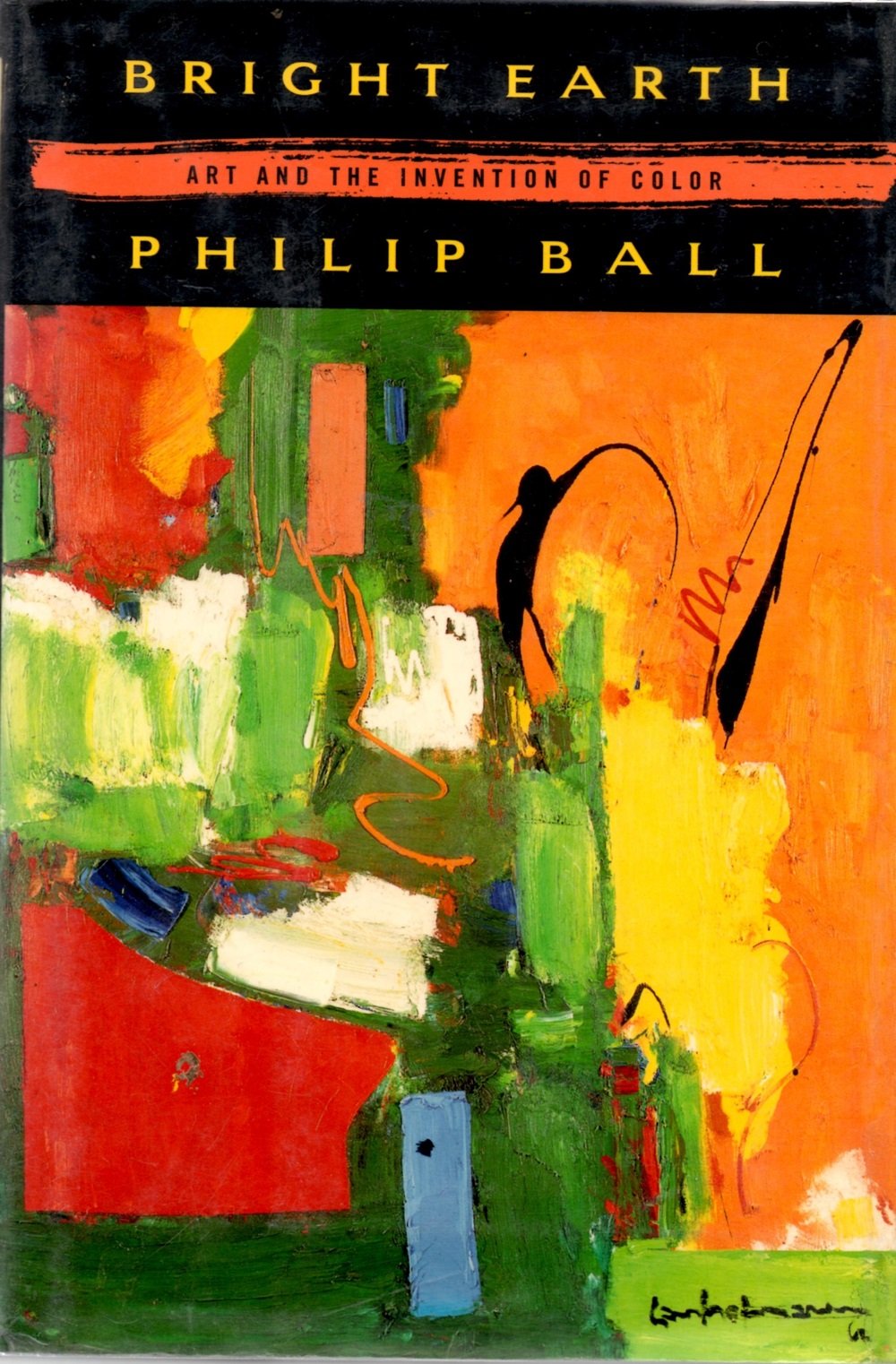
Bright Earth: Art And The Invention Of Color,New
Sold by Ergodebooks, an authorized reseller.
Returns accepted within 30 days | support@ergodebooks.com
Shipping Information
- Free Standard Shipping — United States only
- Processing Time: 3–5 business days
- Estimated Delivery: 6–10 business days after dispatch
- Double-boxed, fully insured & discreetly packaged
- Tracking number sent via email once dispatched
Returns & Refund
Returns accepted within 30 days of delivery.
Damaged or Defective Item
Free return shipping + replacement or full refund
Wrong Item Received
Free return shipping + replacement or full refund
Change of Mind
Return shipping at customer's expense · 25% restocking fee applies
Payment Option

A Fascinating Study Of The Evolution Of Color In Art And Science From Antiquity To The Present.For Art In The Twentieth Century, Medium Is The Message. Many Artists Offer Works Defined By Their Materials. In No Aspect Is This More Strikingly Demonstrated Than In The Use Of Color.Bright Earth Is The Story Of How Color Evolved And Was Produced For Artistic And Commercial Use. The Modern Chemical Industry Was Spawned And Nurtured Largely By The Demand For Color As Many Of Todays Major Chemical Companies Began As Manufacturers Of Aniline Dye; Advances In Synthetic Chemistry, Both Organic And Inorganic, Were Stimulated In The Nineteenth Century By The Quest For Artificial Colors. The Future Holds Still More Challenges For The Color Chemist, Not Only To Provide New Coloring Materials, But Also To Replace Old Ones That Will Shortly Become Extinct, As Concerns About The Use Of Lead And Cadmium Pigments Increase.In Bright Earth, Philip Ball Brings Together The Themes Of Art And Science To Show That Chemical Technology And The Use Of Color In Art Have Always Existed In A Symbiotic Relationship That Has Shaped Both Their Courses Throughout History. By Tracing Their Coevolution, Ball Reveals How Art Is More Of A Science, And Science More Of An Art, Than Is Commonly Appreciated On Either Side Of The Fence.
⚠️ WARNING (California Proposition 65):
This product may contain chemicals known to the State of California to cause cancer, birth defects, or other reproductive harm.
For more information, please visit www.P65Warnings.ca.gov.
- Q: How many pages does this book have? A: This book has three hundred eighty-four pages. It provides an in-depth exploration of color in art and science.
- Q: What is the binding type of this book? A: The binding type of this book is hardcover. This format enhances durability and makes it a great addition to any bookshelf.
- Q: What are the dimensions of 'Bright Earth'? A: The dimensions of 'Bright Earth' are five point seventy-five inches in length, one point seventy-five inches in width, and nine point five inches in height. These measurements make it a compact and easy-to-handle book.
- Q: Who is the author of 'Bright Earth'? A: The author of 'Bright Earth' is Philip Ball. He is known for his insightful works on the intersection of art and science.
- Q: What genre does this book fall under? A: This book falls under the genre of art and science. It explores the historical evolution of color and its significance in both fields.
- Q: Is this book suitable for children? A: Yes, this book is suitable for older children and teens. It contains complex themes but is educational and engaging for curious minds.
- Q: What themes are covered in 'Bright Earth'? A: The themes covered in 'Bright Earth' include the evolution of color, the relationship between art and science, and the impact of chemical technology on artistic practices.
- Q: How can I apply the knowledge from this book? A: You can apply the knowledge from this book by understanding the historical context of color in your own artistic practices or studies. It offers insights that can enhance one's appreciation for color in various mediums.
- Q: Is there a recommended reading age for this book? A: The recommended reading age for this book is fourteen years and older. It delves into complex scientific concepts alongside artistic history.
- Q: What is the main focus of 'Bright Earth'? A: The main focus of 'Bright Earth' is the historical development and significance of color in art and its relationship with science. It examines how these fields influence each other.
- Q: How should I store this book to keep it in good condition? A: Store this book upright on a shelf, away from direct sunlight and moisture. This will help preserve its binding and pages.
- Q: Are there any specific care instructions for this book? A: Yes, keep the book clean and avoid exposing it to extreme temperatures. Handle it gently to prevent any wear and tear.
- Q: What if my copy of 'Bright Earth' arrives damaged? A: If your copy of 'Bright Earth' arrives damaged, you should contact the seller for a return or replacement. Most sellers provide a warranty for such issues.
- Q: Can I return 'Bright Earth' if I don't like it? A: Yes, you can typically return 'Bright Earth' if you do not like it, provided you follow the return policy of the seller. Check the specific terms when purchasing.
- Q: How does this book compare to others on color theory? A: This book offers a unique blend of art and science, making it different from others that may focus solely on one discipline. It's particularly valuable for those interested in both fields.
- Q: Is 'Bright Earth' suitable for art students? A: Yes, 'Bright Earth' is suitable for art students. It provides essential insights into the history of color that can enhance their understanding of artistic techniques.