If you have any questions, you are always welcome to contact us. We'll get back to you as soon as possible, withing 24 hours on weekdays.
Customer service
All questions about your order, return and delivery must be sent to our customer service team by e-mail at yourstore@yourdomain.com
Sale & Press
If you are interested in selling our products, need more information about our brand or wish to make a collaboration, please contact us at press@yourdomain.com
Help
If you have any questions, you are always welcome to contact us. We'll get back to you as soon as possible, withing 24 hours on weekdays.
Customer service
All questions about your order, return and delivery must be sent to our customer service team by e-mail at yourstore@yourdomain.com
Sale & Press
If you are interested in selling our products, need more information about our brand or wish to make a collaboration, please contact us at press@yourdomain.com
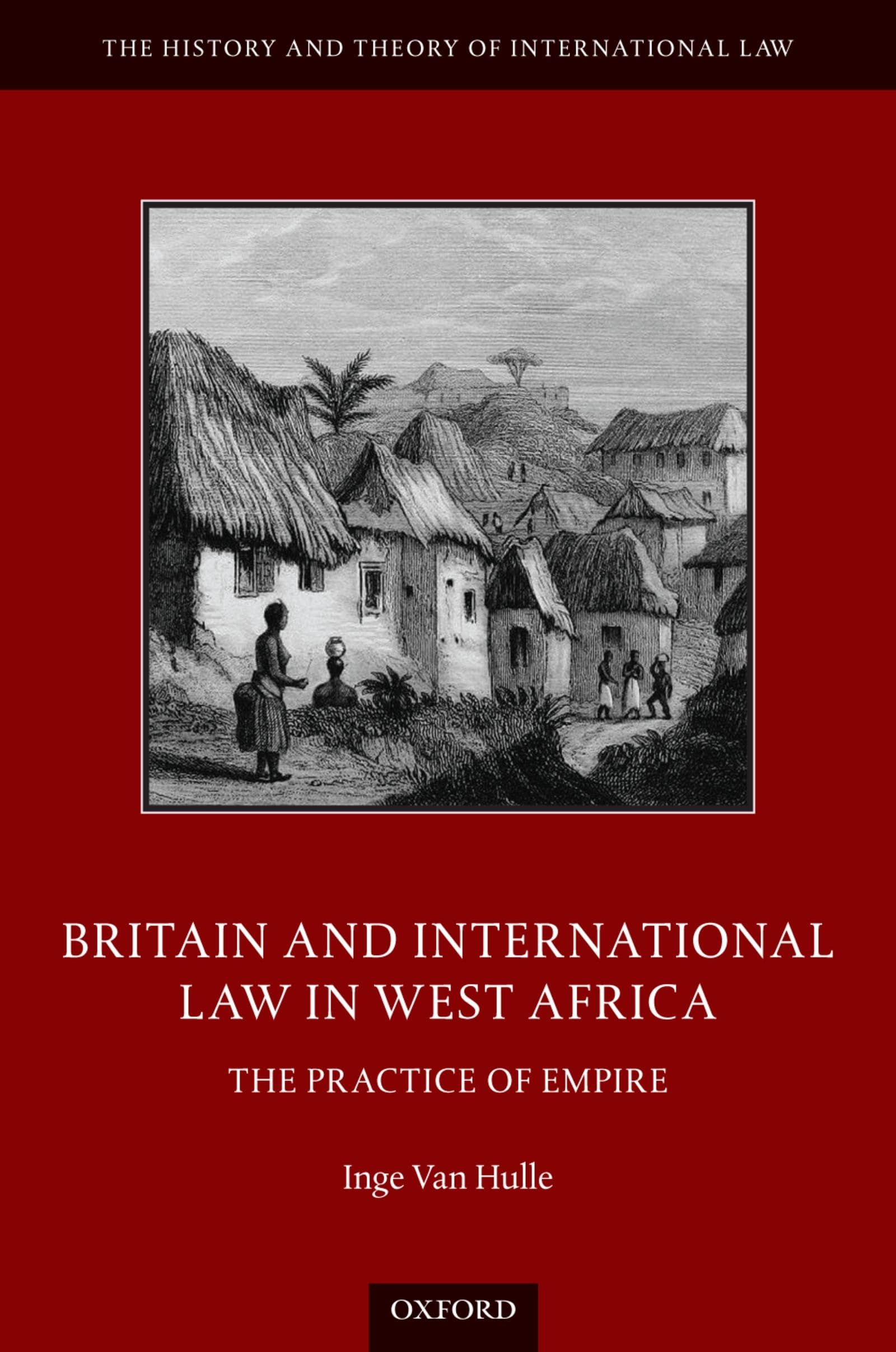
Africa often remains neglected in studies that discuss the historical relationship between international law and imperialism during the nineteenth century. When it does feature, focus tends to be on the Scramble for Africa, and the treaties concluded between European powers and African polities in which sovereignty and territory were ceded. Drawing on a wide range of archival material, Inge Van Hulle brings a fresh new perspective to this traditional narrative. She reviews the use and creation of legal instruments that expanded or delineated the boundaries between British jurisdiction and African communities in West Africa, and uncovers the practicality and flexibility with which international legal discourse was employed in imperial contexts. This legal experimentation went beyond treaties of cession, and also encompassed commercial treaties, the abolition of the slave trade, extraterritoriality, and the use of force.The book argues that, by the 1880s, the legal techniques that were fashioned in the language of international law in West Africa had largely developed their own substantive characteristics. Legal ordering was not done in reference to adjudication before Western courts or the writings of Western lawyers, but in reference to what was deemed politically expedient and practically feasible by imperial agents for the preservation of social peace, commercial interaction, and humanitarian agendas.
⚠️ WARNING (California Proposition 65):
This product may contain chemicals known to the State of California to cause cancer,
birth defects, or other reproductive harm.
For MAP (Minimum Advertised Price) violations and Intellectual Property (IP) or Trademark concerns, please contact:
support@ergodebooks.com
⚠️ California Proposition 65 Warning: Some products sold on this website may expose you to chemicals known to the State of California to cause cancer, birth defects, or other reproductive harm. For more information, visit www.P65Warnings.ca.gov.