
Title
Britain'S Medieval Castles
Sold by Ergodebooks, an authorized reseller.
Returns accepted within 30 days | support@ergodebooks.com
Shipping Information
- Free Standard Shipping — United States only
- Processing Time: 3–5 business days
- Estimated Delivery: 6–10 business days after dispatch
- Double-boxed, fully insured & discreetly packaged
- Tracking number sent via email once dispatched
Returns & Refund
Returns accepted within 30 days of delivery.
Damaged or Defective Item
Free return shipping + replacement or full refund
Wrong Item Received
Free return shipping + replacement or full refund
Change of Mind
Return shipping at customer's expense · 25% restocking fee applies
Payment Option

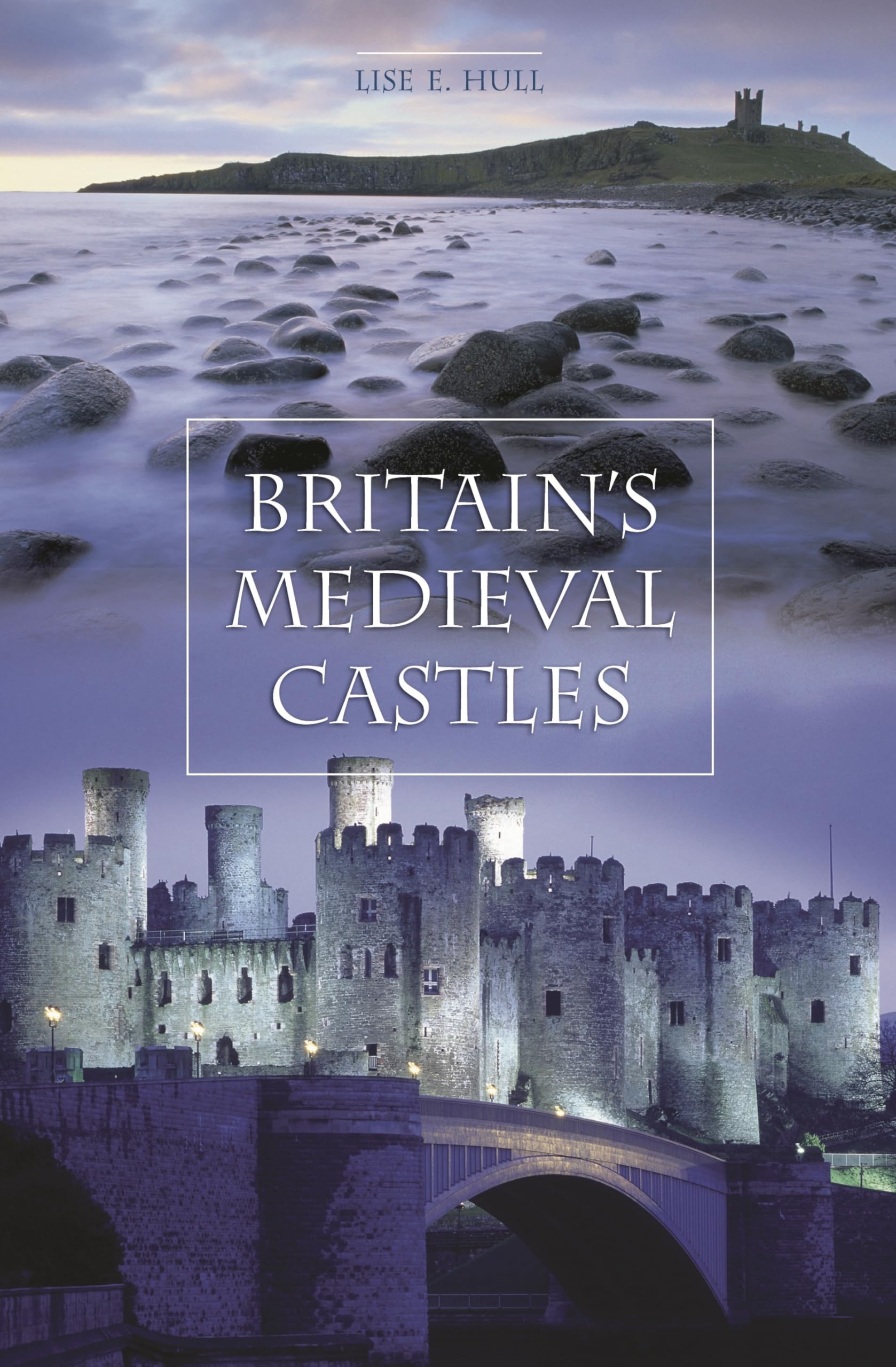
The widespread construction of castles in Britain began as soon as Duke William of Normandy set foot on the shores of southern England in 1066. The castles that were constructed in the ensuing centuries, and whose ruins still scatter the British countryside today, provide us with an enduring record of the needs and ambitions of the times. But the essence of the medieval castlea structure that is equal parts military, residential, and symbolicreveals itself not only through the grandeur of such architectural masterpieces as the Tower of London, and the imposing nature of such royal residences as Windsor, but also in the aging masonry carvings, enduring battlements, and more modest earthen ramparts that have survived alongside them. Through a featurebyfeature account of the architectural elements and techniques used in constructing the medieval castle, author Lise Hull allows the multiple functions of these multifarious forms to shine through, and in so doing, lends a new vitality to the thousand faces that the medieval world assumed to discourage its enemies, inspire its friends, and control its subjects.This compelling investigation takes a unique look at each of the medieval castle's main roles: as an offensive presentation and defensive fortification, as a residential and administrative building, and as a symbolic structure demonstrating the status of its owner. Each chapter focuses on one specific role and uses concrete architectural features to demonstrate that aspect of the medieval castle in Britain. A wealth of illustrations is also provided, as is a glossary explaining the distinct parts of the castle and their functions. This book should be of interest to students researching architecture, the Middle Ages, or military history, as well as general readers interested in castles or considering a trip to Britain to observe some of these magnificent sites themselves.
⚠️ WARNING (California Proposition 65):
This product may contain chemicals known to the State of California to cause cancer, birth defects, or other reproductive harm.
For more information, please visit www.P65Warnings.ca.gov.