
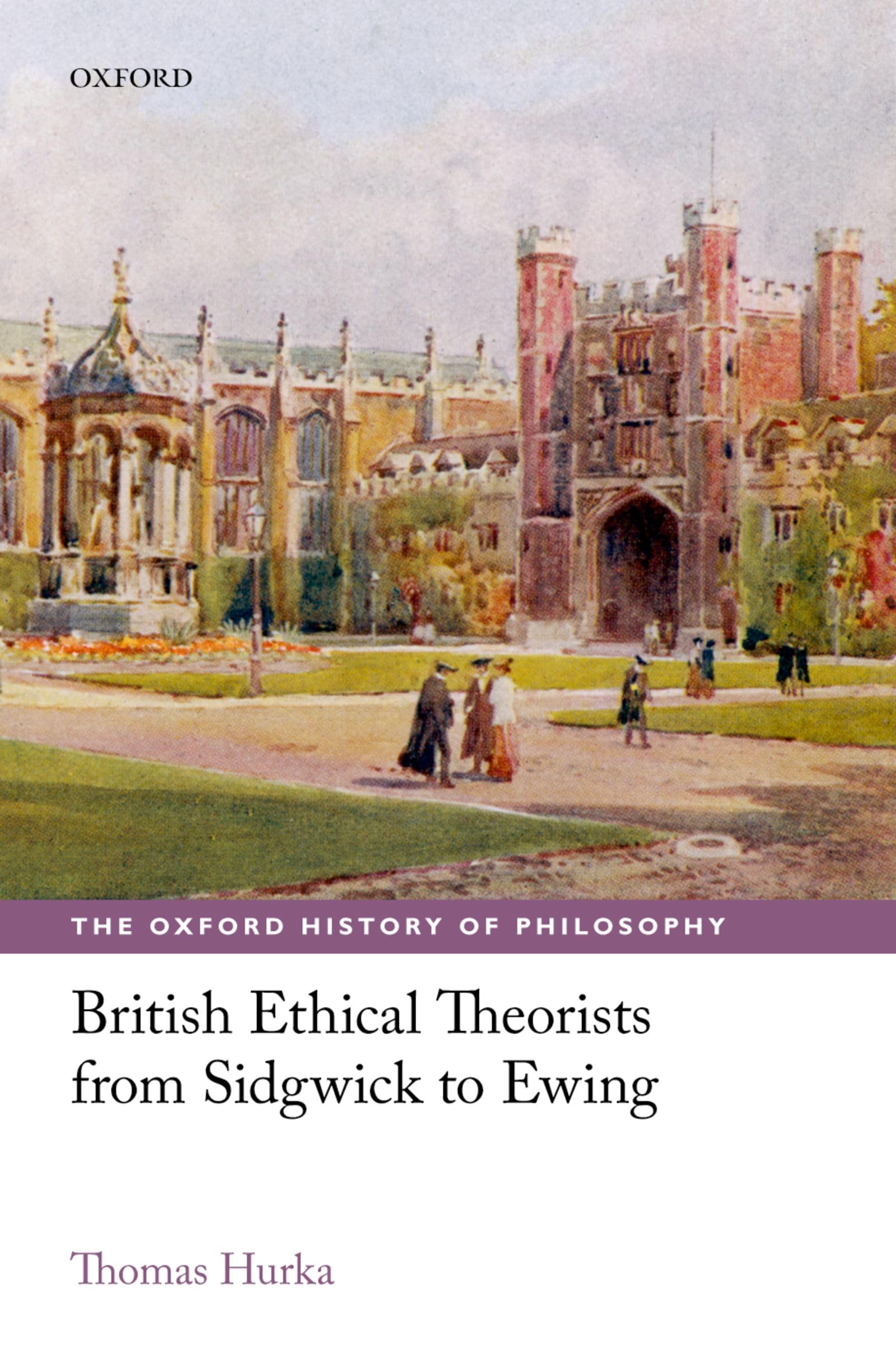
Title
British Ethical Theorists from Sidgwick to Ewing (The Oxford History of Philosophy),New
Sold by Ergodebooks, an authorized reseller.
Returns accepted within 30 days | support@ergodebooks.com
Shipping Information
- Free Standard Shipping — United States only
- Processing Time: 3–5 business days
- Estimated Delivery: 6–10 business days after dispatch
- Double-boxed, fully insured & discreetly packaged
- Tracking number sent via email once dispatched
Returns & Refund
Returns accepted within 30 days of delivery.
Damaged or Defective Item
Free return shipping + replacement or full refund
Wrong Item Received
Free return shipping + replacement or full refund
Change of Mind
Return shipping at customer's expense · 25% restocking fee applies
Payment Option

Thomas Hurka presents the first full historical study of an important strand in the development of modern moral philosophy. His subject is a series of British ethical theorists from the late nineteenth century to the midtwentieth century, who shared key assumptions that made them a unified and distinctive school. The bestknown of them are Henry Sidgwick, G. E. Moore, and W. D. Ross; others include Hastings Rashdall, H. A. Prichard, C. D. Broad, and A. C. Ewing. They disagreed on some important topics, especially in normative ethics. Thus some were consequentialists and others deontologists: Sidgwick thought only pleasure is good while others emphasized perfectionist goods such as knowledge, aesthetic appreciation, and virtue. But all were nonnaturalists and intuitionists in metaethics, holding that moral judgements can be objectively true, have a distinctive subjectmatter, and are known by direct insight. They also had similar views about how ethical theory should proceed and what are relevant arguments in it; their disagreements therefore took place on common ground.Hurka recovers the history of this underappreciated group by showing what its members thought, how they influenced each other, and how their ideas changed through time. He also identifies the shared assumptions that made their school unified and distinctive, and assesses their contributions critically, both when they debated each other and when they agreed. One of his themes is that that their general approach to ethics was more fruitful philosophically than many betterknown ones of both earlier and later times.
⚠️ WARNING (California Proposition 65):
This product may contain chemicals known to the State of California to cause cancer, birth defects, or other reproductive harm.
For more information, please visit www.P65Warnings.ca.gov.