If you have any questions, you are always welcome to contact us. We'll get back to you as soon as possible, withing 24 hours on weekdays.
Customer service
All questions about your order, return and delivery must be sent to our customer service team by e-mail at yourstore@yourdomain.com
Sale & Press
If you are interested in selling our products, need more information about our brand or wish to make a collaboration, please contact us at press@yourdomain.com
Help
If you have any questions, you are always welcome to contact us. We'll get back to you as soon as possible, withing 24 hours on weekdays.
Customer service
All questions about your order, return and delivery must be sent to our customer service team by e-mail at yourstore@yourdomain.com
Sale & Press
If you are interested in selling our products, need more information about our brand or wish to make a collaboration, please contact us at press@yourdomain.com
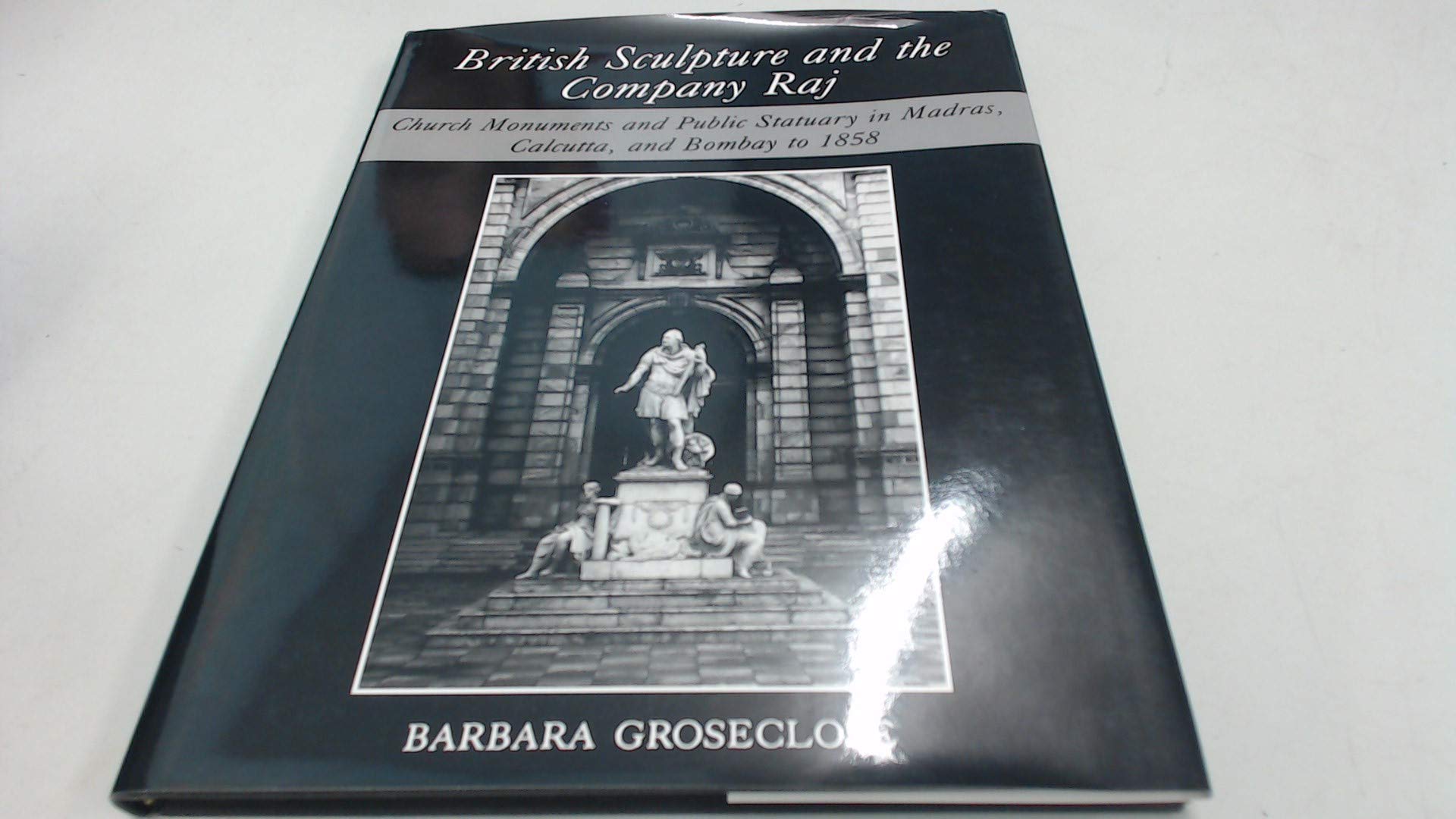
The British Raj (a Sanskritbased word meaning dominion or empire), which has taken on a wholly Victorian flavor as a result of popular films and books, actually began in piecemeal fashion when the East India Company developed settlements in Madras, Calcutta, and Bombay during the seventeenth century. As these small enclaves grew into cities, the British tried hard to give them the look and feel of the country they had left behind.Barbara Groseclose examines British public statuary and church monuments in India from the standpoint of its function in regard to the British themselves. Arguing that doubts and anxieties, as well as assumptions about their own place in Indian life, bear strongly on the roles and achievements for which the British sought or received commemoration, she analyzes the British selfcharacterizations of victor, administrator, scholar, and benefactor in sculptural imagery. Her close scrutiny of these largely forgotten works of art reveals the crucial part they played in helping the British to explain and justify empire to themselves. But the author's sense of the inherently ambivalent nature of the colonizer/colonized relationship prevents this book from becoming simply a platform for the indictment of imperialists or for an insistence on the wholesale victimization of their subjects. Rather, Groseclose discerns in this art some of the complicated emotional undertones simultaneously shaping and destabilizing the attempted economic and intellectual domination of India.
⚠️ WARNING (California Proposition 65):
This product may contain chemicals known to the State of California to cause cancer,
birth defects, or other reproductive harm.
For MAP (Minimum Advertised Price) violations and Intellectual Property (IP) or Trademark concerns, please contact:
support@ergodebooks.com
⚠️ California Proposition 65 Warning: Some products sold on this website may expose you to chemicals known to the State of California to cause cancer, birth defects, or other reproductive harm. For more information, visit www.P65Warnings.ca.gov.