
Title
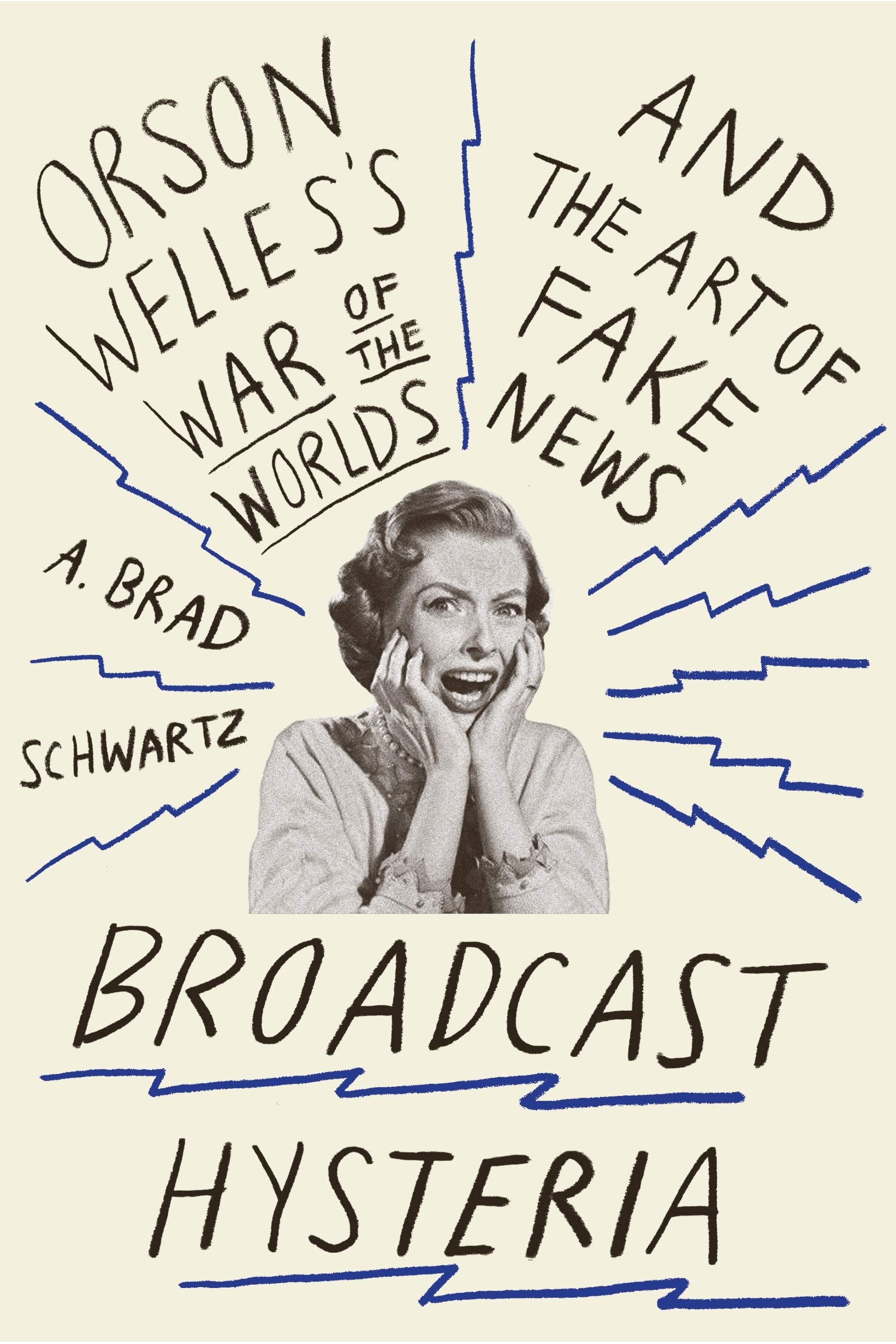
Broadcast Hysteria: Orson Welles'S War Of The Worlds And The Art Of Fake News
Sold by Ergodebooks, an authorized reseller.
Returns accepted within 30 days | support@ergodebooks.com
Shipping Information
- Free Standard Shipping — United States only
- Processing Time: 3–5 business days
- Estimated Delivery: 6–10 business days after dispatch
- Double-boxed, fully insured & discreetly packaged
- Tracking number sent via email once dispatched
Returns & Refund
Returns accepted within 30 days of delivery.
Damaged or Defective Item
Free return shipping + replacement or full refund
Wrong Item Received
Free return shipping + replacement or full refund
Change of Mind
Return shipping at customer's expense · 25% restocking fee applies
Payment Option

On The Evening Of October 30, 1938, Radio Listeners Across The United States Heard A Startling Report Of A Meteor Strike In The New Jersey Countryside. With Sirens Blaring In The Background, Announcers In The Field Described Mysterious Creatures, Terrifying War Machines, And Thick Clouds Of Poison Gas Moving Toward New York City. As The Invading Force Approached Manhattan, Some Listeners Sat Transfixed, While Others Ran To Alert Neighbors Or To Call The Police. Some Even Fled Their Homes. But The Hairraising Broadcast Was Not A Real News Bulletinit Was Orson Welles'S Adaptation Of The H. G. Wells Classic The War Of The Worlds.In Broadcast Hysteria, A. Brad Schwartz Boldly Retells The Story Of Welles'S Famed Radio Play And Its Impact. Did It Really Spawn A Wave Of Mass Hysteria, As The New York Times Reported? Schwartz Is The First To Examine The Hundreds Of Letters Sent To Orson Welles Himself In The Days After The Broadcast, And His Findings Challenge The Conventional Wisdom. Few Listeners Believed An Actual Attack Was Under Way. But Even So, Schwartz Shows That Welles'S Broadcast Became A Major Scandal, Prompting A Different Kind Of Mass Panic As Americans Debated The Bewitching Power Of The Radio And The Country'S Vulnerability In A Time Of Crisis. When The Debate Was Over, American Broadcasting Had Changed For Good, But Not For The Better.As Schwartz Tells This Story, We Observe How An Atmosphere Of Natural Disaster And Impending War Permitted Broadcasters To Create Shared Live National Experiences For The First Time. We Follow Orson Welles'S Rise To Fame And Watch His Manic Energy And Artistic Genius At Work In The Play'S Hurried Yet Innovative Production. And We Trace The Presentday Popularity Of Fake News Back To Its Source In Welles'S Show And Its Many Imitators. Schwartz'S Original Research, Gifted Storytelling, And Thoughtful Analysis Make Broadcast Hysteria A Groundbreaking New Look At A Crucial But Littleunderstood Episode In American History.
⚠️ WARNING (California Proposition 65):
This product may contain chemicals known to the State of California to cause cancer, birth defects, or other reproductive harm.
For more information, please visit www.P65Warnings.ca.gov.
- Q: What is the page count of 'Broadcast Hysteria'? A: The book contains three hundred sixty-eight pages. This provides a comprehensive exploration of the impact of Orson Welles's radio play.
- Q: What type of binding does this book have? A: This book is published in paperback binding. This makes it lightweight and flexible for easy reading.
- Q: Who is the author of 'Broadcast Hysteria'? A: The author is A. Brad Schwartz. He is known for his research and analysis of media history and its effects on society.
- Q: What genre does 'Broadcast Hysteria' belong to? A: This book falls under the Performing Arts genre. It discusses historical events related to radio broadcasting and media impact.
- Q: What is the main subject of 'Broadcast Hysteria'? A: The book examines Orson Welles's infamous radio adaptation of The War of the Worlds. It explores its effects and the public's reaction.
- Q: How do I read 'Broadcast Hysteria'? A: You can read it like any other book, starting from the first page to the last. It's suitable for readers interested in media history.
- Q: Is 'Broadcast Hysteria' suitable for all ages? A: Yes, it's appropriate for general audiences. However, it may be more engaging for teens and adults interested in historical media.
- Q: What themes are explored in 'Broadcast Hysteria'? A: Themes include mass hysteria, media influence, and the evolution of broadcasting. It provides insights into public perception during crises.
- Q: How can I keep 'Broadcast Hysteria' in good condition? A: Store the book in a cool, dry place away from direct sunlight. Avoid bending the spine and keep it clean to maintain its quality.
- Q: Are there any special care instructions for this book? A: No special care instructions are needed. Just handle it gently to avoid wear and tear.
- Q: What if 'Broadcast Hysteria' arrives damaged? A: If the book arrives damaged, contact the seller for a return or exchange. Ensure to keep the packaging for easier processing.
- Q: Can I return 'Broadcast Hysteria' if I don't like it? A: Yes, most sellers allow returns within a specified period. Check the return policy for details to ensure you comply.
- Q: Is there a warranty for 'Broadcast Hysteria'? A: Typically, books do not come with warranties. However, check with your seller for any guarantees regarding quality.
- Q: How does 'Broadcast Hysteria' compare to other historical media books? A: This book offers unique insights into media's role in shaping public perception, making it stand out among similar historical analyses.
- Q: Who would benefit from reading 'Broadcast Hysteria'? A: Students, educators, and anyone interested in media history would benefit. It's especially valuable for those studying communication and journalism.