
Title
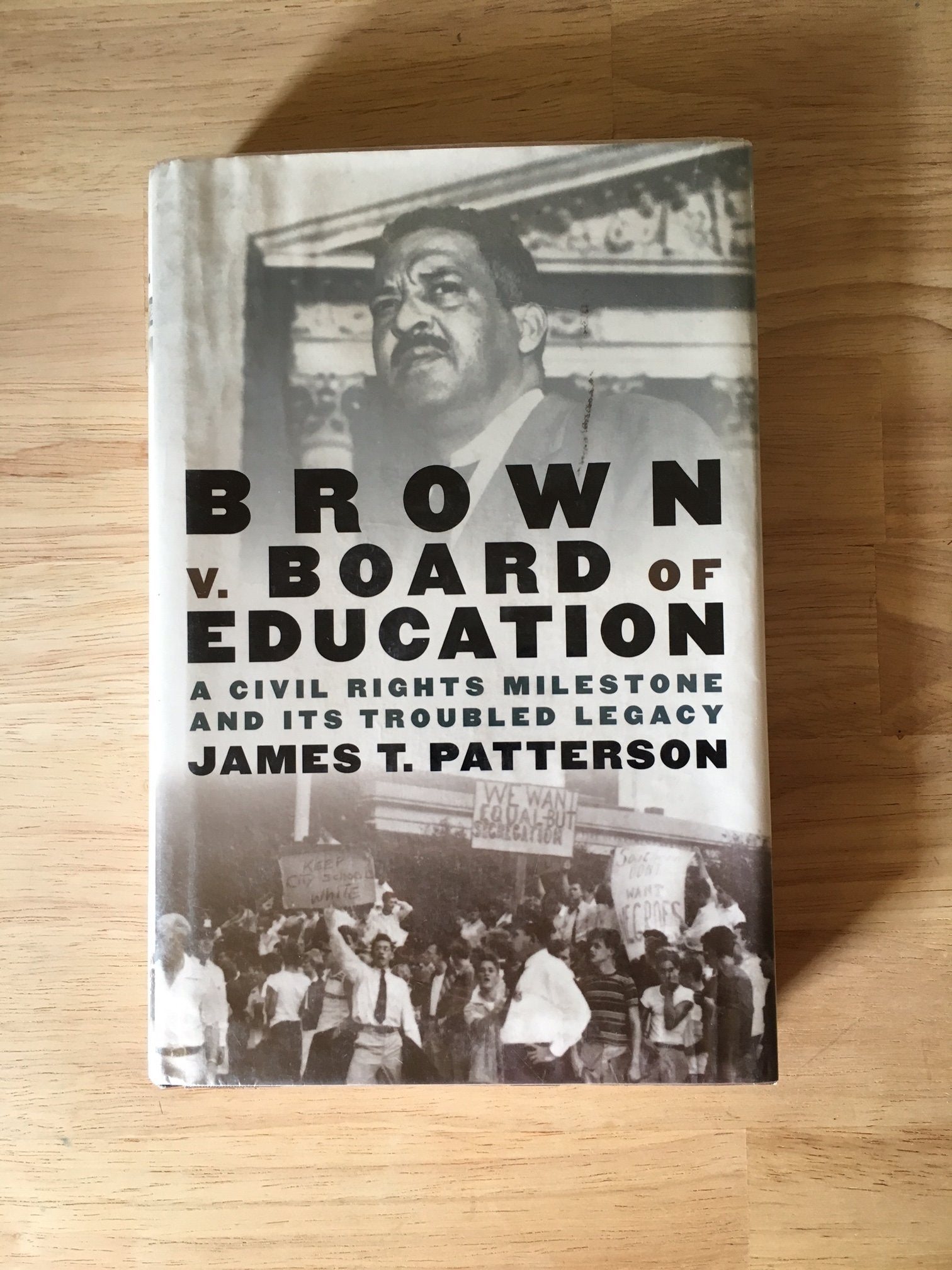
Brown V. Board Of Education: A Civil Rights Milestone And Its Troubled Legacy (Pivotal Moments In American History),Used
Sold by Ergodebooks, an authorized reseller.
Returns accepted within 30 days | support@ergodebooks.com
Shipping Information
- Free Standard Shipping — United States only
- Processing Time: 3–5 business days
- Estimated Delivery: 6–10 business days after dispatch
- Double-boxed, fully insured & discreetly packaged
- Tracking number sent via email once dispatched
Returns & Refund
Returns accepted within 30 days of delivery.
Damaged or Defective Item
Free return shipping + replacement or full refund
Wrong Item Received
Free return shipping + replacement or full refund
Change of Mind
Return shipping at customer's expense · 25% restocking fee applies
Payment Option

Many People Were Elated When Supreme Court Chief Justice Earl Warren Delivered Brown V. Board Of Education Of Topeka In May 1954, The Ruling That Struck Down Statesponsored Racial Segregation In America'S Public Schools. Thurgood Marshall, Chief Attorney For The Black Families That Launched The Litigation, Exclaimed Later, 'I Was So Happy, I Was Numb.' The Novelist Ralph Ellison Wrote, 'Another Battle Of The Civil War Has Been Won. The Rest Is Up To Us And I'M Very Glad. What A Wonderful World Of Possibilities Are Unfolded For The Children!'Here, In A Concise, Compelling Narrative, Bancroft Prizewinning Historian James T. Patterson Takes Readers Through The Dramatic Case And Its Fiftyyear Aftermath. A Wide Range Of Characters Animates The Story, From The Littleknown Africanamericans Who Dared To Challenge Jim Crow With Lawsuits (At Great Personal Cost); To Thurgood Marshall, Who Later Became A Justice Himself; To Earl Warren, Who Shepherded A Fractured Court To A Unanimous Decision. Others Include Segregationist Politicians Like Governor Orval Faubus Of Arkansas; Presidents Eisenhower, Johnson, And Nixon; And Controversial Supreme Court Justices Such As William Rehnquist And Clarence Thomas.Most Americans Still See Brown As A Triumphbut Was It? Patterson Shrewdly Explores The Provocative Questions That Still Swirl Around The Case. Could The Courtor President Eisenhowerhave Done More To Ensure Compliance With Brown? Did The Decision Touch Off The Modern Civil Rights Movement? How Useful Are Courtordered Busing And Affirmative Action Against Racial Segregation? To What Extent Has Racial Mixing Affected The Academic Achievement Of Black Children? Where Indeed Do We Go From Here To Realize The Expectations Of Marshall, Ellison, And Others In 1954?
⚠️ WARNING (California Proposition 65):
This product may contain chemicals known to the State of California to cause cancer, birth defects, or other reproductive harm.
For more information, please visit www.P65Warnings.ca.gov.