If you have any questions, you are always welcome to contact us. We'll get back to you as soon as possible, withing 24 hours on weekdays.
Customer service
All questions about your order, return and delivery must be sent to our customer service team by e-mail at yourstore@yourdomain.com
Sale & Press
If you are interested in selling our products, need more information about our brand or wish to make a collaboration, please contact us at press@yourdomain.com
Help
If you have any questions, you are always welcome to contact us. We'll get back to you as soon as possible, withing 24 hours on weekdays.
Customer service
All questions about your order, return and delivery must be sent to our customer service team by e-mail at yourstore@yourdomain.com
Sale & Press
If you are interested in selling our products, need more information about our brand or wish to make a collaboration, please contact us at press@yourdomain.com
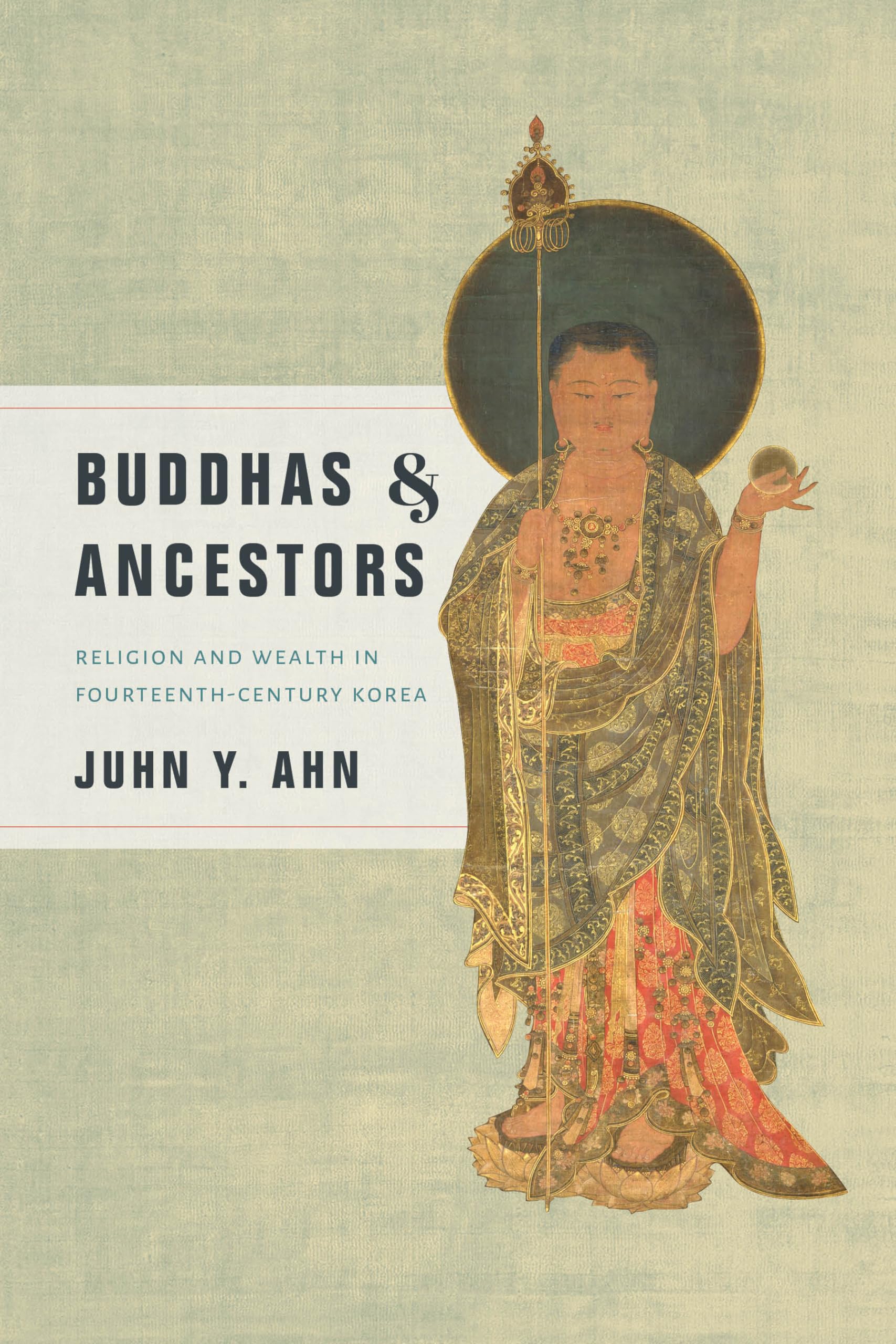
Two issues central to the transition from the Koryo to the Choson dynasty in fourteenthcentury Korea were social differences in ruling elites and the decline of Buddhism, which had been the state religion. In this revisionist history, Juhn Ahn challenges the longaccepted Confucian critique that Buddhism had become so powerful and corrupt that the state had to suppress it. When newly rising elites (many with strong ties to the Mongols) used lavish donations to Buddhist institutions to enhance their status, older elites defended their own adherence to this timehonored system by arguing that their donations were linked to virtue. This emphasis on virtue and the consequent separation of religion from wealth facilitated the Confucianization of Korea and the relegation of Buddhism to the margins of public authority during the Choson dynasty.
⚠️ WARNING (California Proposition 65):
This product may contain chemicals known to the State of California to cause cancer,
birth defects, or other reproductive harm.
For MAP (Minimum Advertised Price) violations and Intellectual Property (IP) or Trademark concerns, please contact:
support@ergodebooks.com
⚠️ California Proposition 65 Warning: Some products sold on this website may expose you to chemicals known to the State of California to cause cancer, birth defects, or other reproductive harm. For more information, visit www.P65Warnings.ca.gov.