
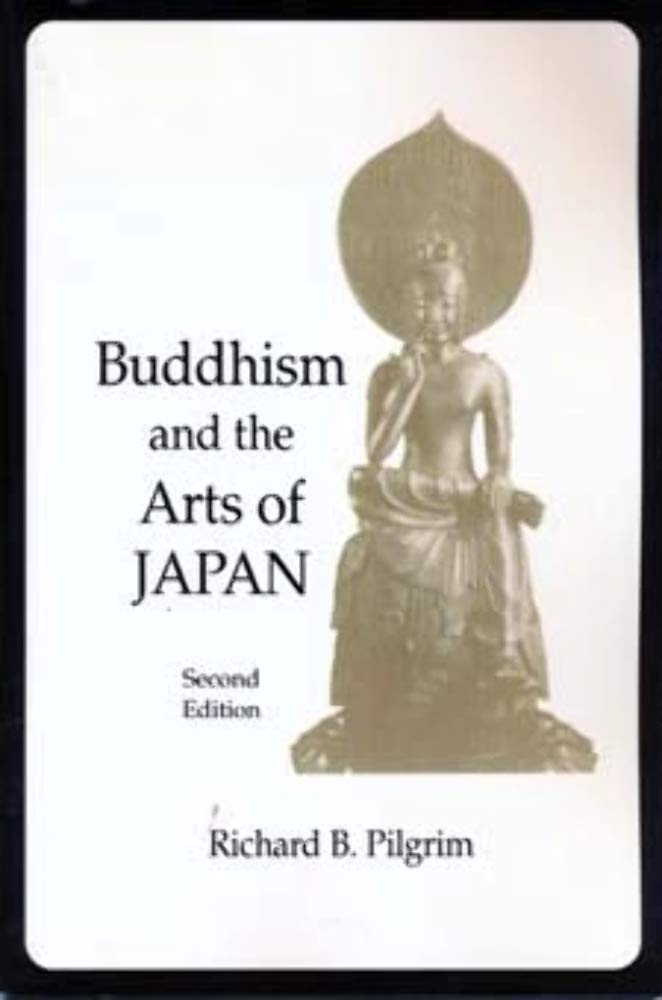
Buddhism and the Arts of Japan,New
$39.08
Title
Buddhism and the Arts of Japan,New
Quantity
Processing time: 1-3 days
US Orders Ships in: 3-5 days
International Orders Ships in: 8-12 days
Return Policy: 15-days return on defective items
Payment Option

In the revised and expanded edition of this popular classic, Pilgrim recounts how Shinto and Buddhism have interacted with Japanese art from the sixth century into the modern era.
⚠️ WARNING (California Proposition 65):
This product may contain chemicals known to the State of California to cause cancer, birth defects, or other reproductive harm.
For more information, please visit www.P65Warnings.ca.gov.
- Q: What is the page count of this book? A: This book has seventy-eight pages. It is a concise yet informative read about the interaction of Shinto and Buddhism with Japanese art.
- Q: What are the dimensions of 'Buddhism and the Arts of Japan'? A: The book measures five point ninety-eight inches in length, zero point twenty-four inches in width, and seven point ninety-nine inches in height.
- Q: What type of binding does this book have? A: This book is available in paperback binding. This makes it lightweight and easy to handle for reading.
- Q: Who is the author of this book? A: The author of this book is Richard Pilgrim. He provides insights into the historical relationship between Japanese art and religion.
- Q: What is the genre of 'Buddhism and the Arts of Japan'? A: This book falls under the genre of criticism. It explores the cultural impacts of Buddhism and Shinto on artistic expression in Japan.
- Q: Is this book suitable for beginners in art history? A: Yes, this book is suitable for beginners. It offers a clear overview of the artistic developments influenced by Buddhism and Shinto.
- Q: What themes are covered in this book? A: The book covers themes such as the interaction of religion and art, the evolution of Japanese aesthetics, and historical contexts from the sixth century to modern times.
- Q: How can I use this book for study purposes? A: You can use this book as a resource for research or as a supplementary text in art history courses. It provides valuable insights into cultural influences.
- Q: Is this book appropriate for children? A: Yes, this book is appropriate for older children interested in art and culture. However, parental guidance is recommended due to historical themes.
- Q: How should I store this book to keep it safe? A: Store this book in a cool, dry place, away from direct sunlight. Keeping it upright on a shelf can help prevent damage to the binding.
- Q: What if the book arrives damaged? A: If the book arrives damaged, you should contact the seller for a return or exchange. Most sellers have policies to accommodate such issues.
- Q: Is there a warranty for this book? A: No, there is typically no warranty for books. However, most retailers offer a return policy if you're not satisfied.
- Q: How can I clean this book if it gets dirty? A: To clean this book, gently wipe the cover with a soft, dry cloth. Avoid using water or cleaning solutions to preserve its quality.
- Q: What is the historical time frame discussed in the book? A: The book discusses the interaction of Shinto and Buddhism with art from the sixth century into the modern era, highlighting significant developments in this timeline.
- Q: Can I use this book for my art history project? A: Yes, this book is an excellent resource for an art history project. It provides unique perspectives on the influence of religion on Japanese art.