
Title
Buddhism in the Sung,Used
Sold by Ergodebooks, an authorized reseller.
Returns accepted within 30 days | support@ergodebooks.com
Shipping Information
- Free Standard Shipping — United States only
- Processing Time: 3–5 business days
- Estimated Delivery: 6–10 business days after dispatch
- Double-boxed, fully insured & discreetly packaged
- Tracking number sent via email once dispatched
Returns & Refund
Returns accepted within 30 days of delivery.
Damaged or Defective Item
Free return shipping + replacement or full refund
Wrong Item Received
Free return shipping + replacement or full refund
Change of Mind
Return shipping at customer's expense · 25% restocking fee applies
Payment Option

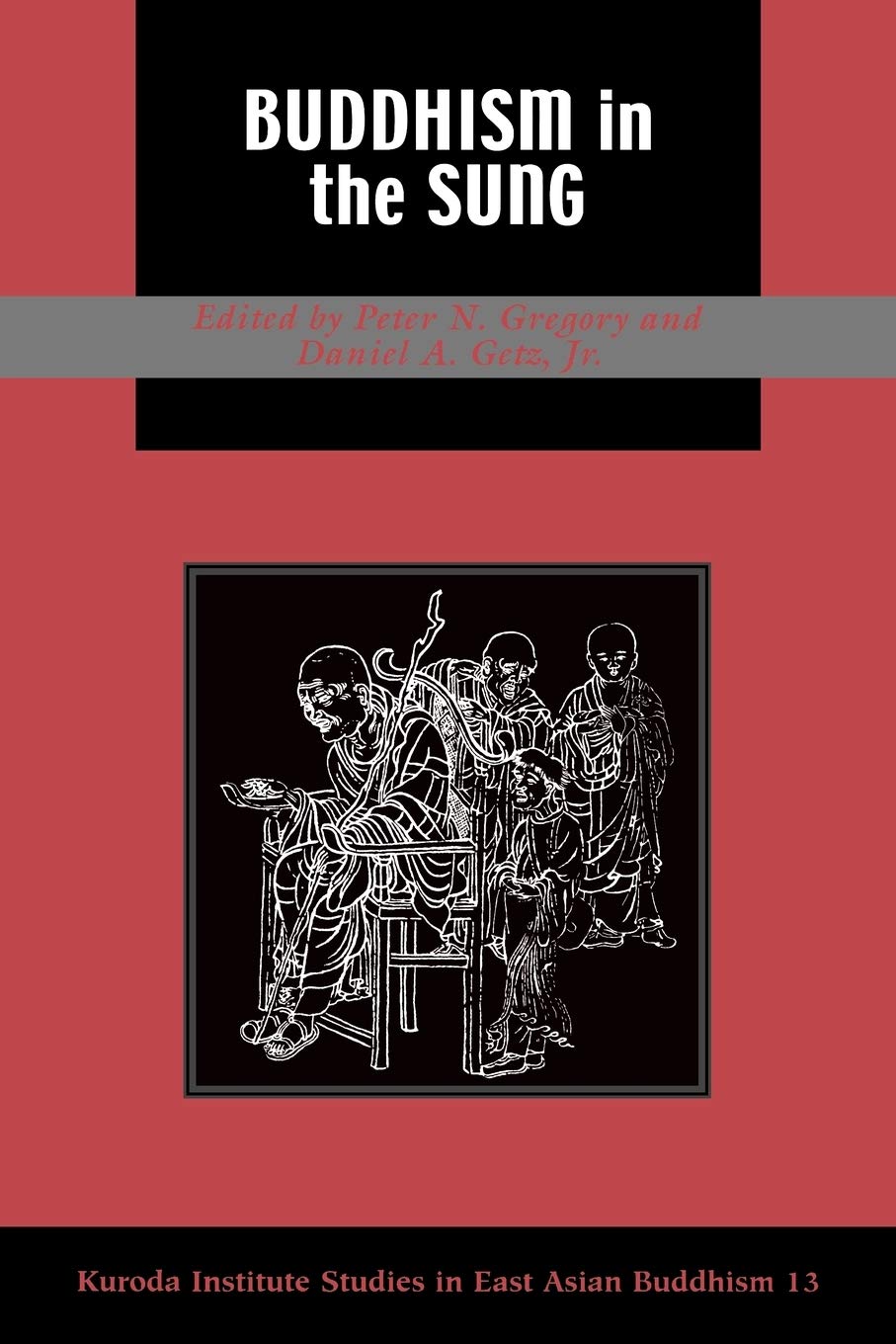
New paperback editionThe Sung Dynasty (9601279) has long been recognized as a major watershed in Chinese history. Although there are recent major monographs on Sung society, government, literature, Confucian thought, and popular religion, the contribution of Buddhism to Sung social and cultural life has been all but ignored. Indeed, the study of Buddhism during the Sung has lagged behind that of other periods of Chinese history. One reason for the neglect of this important aspect of Sung society is undoubtedly the tenacity of the view that the Sung marked the beginning of an inexorable decline of Buddhism in China that extended down through the remainder of the imperial era. As this book attests, however, new research suggests that, far from signaling a decline, the Sung was a period of great efflorescence in Buddhism.This volume is the first extended scholarly treatment of Buddhism in the Sung to be published in a Western language. It focuses largely on elite figures, elite traditions, and interactions among Buddhists and literati, although some of the books essays touch on ways in which elite traditions both responded to and helped shape more popular forms of lay practice and piety. All of the chapters in one way or another deal with the two most important elite traditions within Sung Buddhism: Chan and Tientai. Whereas most previous discussions of Buddhism in the Sung have tended to concentrate on Chan, the present volume is notable for giving Tientai its due. By presenting a broader and more contextualized picture of these two traditions as they developed in the Sung, this work amply reveals the vitality of Buddhism in the Sung as well as its embeddedness in the social and intellectual life of the time.
⚠️ WARNING (California Proposition 65):
This product may contain chemicals known to the State of California to cause cancer, birth defects, or other reproductive harm.
For more information, please visit www.P65Warnings.ca.gov.