
Title
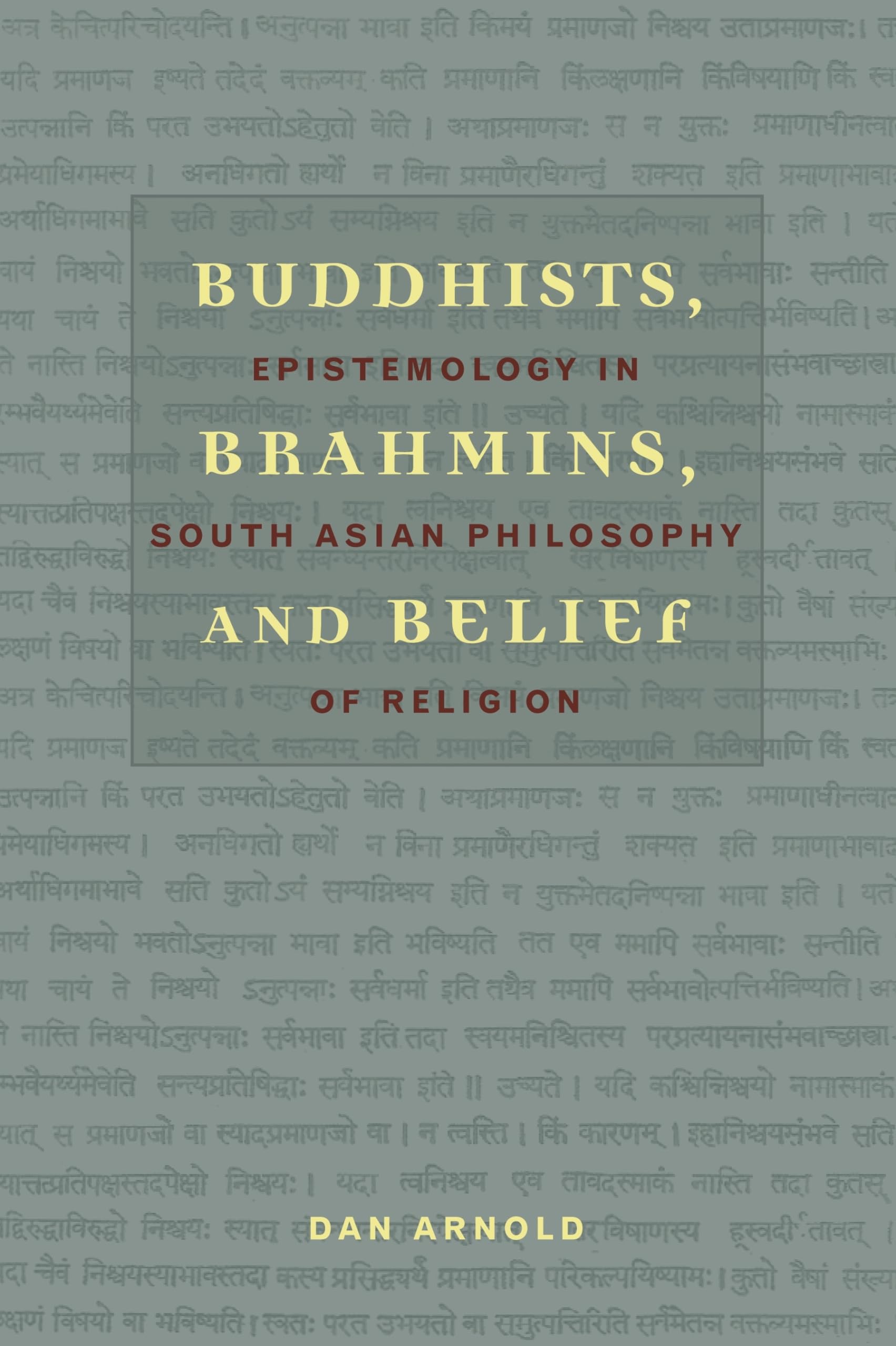
Buddhists, Brahmins, and Belief: Epistemology in South Asian Philosophy of Religion,Used
Sold by Ergodebooks, an authorized reseller.
Returns accepted within 30 days | support@ergodebooks.com
Shipping Information
- Free Standard Shipping — United States only
- Processing Time: 3–5 business days
- Estimated Delivery: 6–10 business days after dispatch
- Double-boxed, fully insured & discreetly packaged
- Tracking number sent via email once dispatched
Returns & Refund
Returns accepted within 30 days of delivery.
Damaged or Defective Item
Free return shipping + replacement or full refund
Wrong Item Received
Free return shipping + replacement or full refund
Change of Mind
Return shipping at customer's expense · 25% restocking fee applies
Payment Option

In Buddhists, Brahmins, and Belief, Dan Arnold examines how the Brahmanical tradition of Purva Mimamsa and the writings of the seventhcentury Buddhist Madhyamika philosopher Candrakirti challenged dominant Indian Buddhist views of epistemology. Arnold retrieves these two very different but equally important voices of philosophical dissent, showing them to have developed highly sophisticated and cogent critiques of influential Buddhist epistemologists such as Dignaga and Dharmakirti. His analysisdeveloped in conversation with modern Western philosophers like William Alston and J. L. Austinoffers an innovative reinterpretation of the Indian philosophical tradition, while suggesting that premodern Indian thinkers have much to contribute to contemporary philosophical debates.In logically distinct ways, Purva Mimamsa and Candrakirti's Madhyamaka opposed the influential Buddhist school of thought that emphasized the foundational character of perception. Arnold argues that Mimamsaka arguments concerning the "intrinsic validity" of the earliest Vedic scriptures are best understood as a critique of the tradition of Buddhist philosophy stemming from Dignaga. Though often dismissed as antithetical to "real philosophy," Mimamsaka thought has affinities with the reformed epistemology that has recently influenced contemporary philosophy of religion.Candrakirti's arguments, in contrast, amount to a principled refusal of epistemology. Arnold contends that Candrakirti marshals against Buddhist foundationalism an approach that resembles twentiethcentury ordinary language philosophyand does so by employing what are finally best understood as transcendental arguments. The conclusion that Candrakirti's arguments thus support a metaphysical claim represents a bold new understanding of Madhyamaka.
⚠️ WARNING (California Proposition 65):
This product may contain chemicals known to the State of California to cause cancer, birth defects, or other reproductive harm.
For more information, please visit www.P65Warnings.ca.gov.